How to Choose the Best Video Door Phone for Your Multifamily Property
Share
Quick Navigation
- Why Choosing the Right System Matters
- Step 1: Understand Your Building’s Size and Needs
- Step 2: Choose Between Analog and IP
- Step 3: Evaluate Key Features
- Step 4: Consider Installation and Infrastructure
- Step 5: Factor in Costs and ROI
- Step 6: Check Manufacturer Credentials
- Why FARHD Is a Trusted Partner for Multifamily Properties
- Frequently Asked Questions
Why Choosing the Right System Matters
A video door phone system is far more than a doorbell with a camera. The best systems integrate into your building’s entire access control strategy. Choosing the wrong system can lead to costly retrofits, frustrated residents, and security gaps that defeat the purpose of installing an intercom in the first place.
Multifamily buildings use intercom systems for a dual purpose: as an access control tool for residents and staff, and as a way to greet and screen visitors before giving them access. With video intercoms now proliferating, residents have a way to see who is at the door—but not all video door phones are created equal.
This guide walks you through a step-by-step framework for selecting the best video door phone system for your apartment building, condo, or multifamily property.
Step 1: Understand Your Building’s Size and Needs
The first and most important step is assessing your property’s unique requirements. Start by evaluating the scale, layout, and usage patterns of your premises.
Key questions to ask:
| Question | Why It Matters |
|---|---|
| How many units does your building have? | Determines system capacity requirements |
| How many entrances need to be secured? | Multiple doors require multiple door stations |
| What is the visitor traffic like? | High-traffic buildings need more robust systems |
| Do you have a property management team? | Affects need for centralized management features |
| What are your residents’ expectations? | Modern renters expect mobile access and video |
Capacity considerations:
- Small buildings (under 20 units): Basic analog or entry-level IP systems may suffice
- Medium buildings (20–100 units): IP system with mobile app and PoE connectivity is recommended
- Large buildings (100+ units): Robust IP system with multiple door stations, scalable controllers, and cloud management
Some IP systems can support up to 9,999 door stations and 9,999 answering stations, making them suitable for even the largest apartment complexes. In practice, you can connect dozens of residential buildings in one complex into a single network serving thousands of residents.
Building type also matters:
- New construction: IP systems are the obvious choice—you can design the network infrastructure from the ground up
- Existing buildings: You may need to retrofit, which could involve reusing existing wiring or opting for wireless solutions
Step 2: Choose Between Analog and IP
One of the first questions you need to ask yourself is whether you want an analog system or an IP system. Both have their advantages, and the choice comes down to fitting your building’s needs best.
Analog Video Intercom Systems
An analog intercom uses multi-conductor wire—like a doorbell would use—to transmit audio and video between its stations. It’s common in residential buildings, providing simple and reliable communication.
Analog video door phones offer simplicity and affordability and are often used where reliability matters more than advanced features.
IP Video Intercom Systems
An IP intercom allows audio, video, and door control to operate over a building’s network, enabling flexible call routing, integration with access control, and centralized management. IP video intercoms like those from Aiphone’s IX | IXG Series are commonly used in apartments where reliability and scalability are critical.
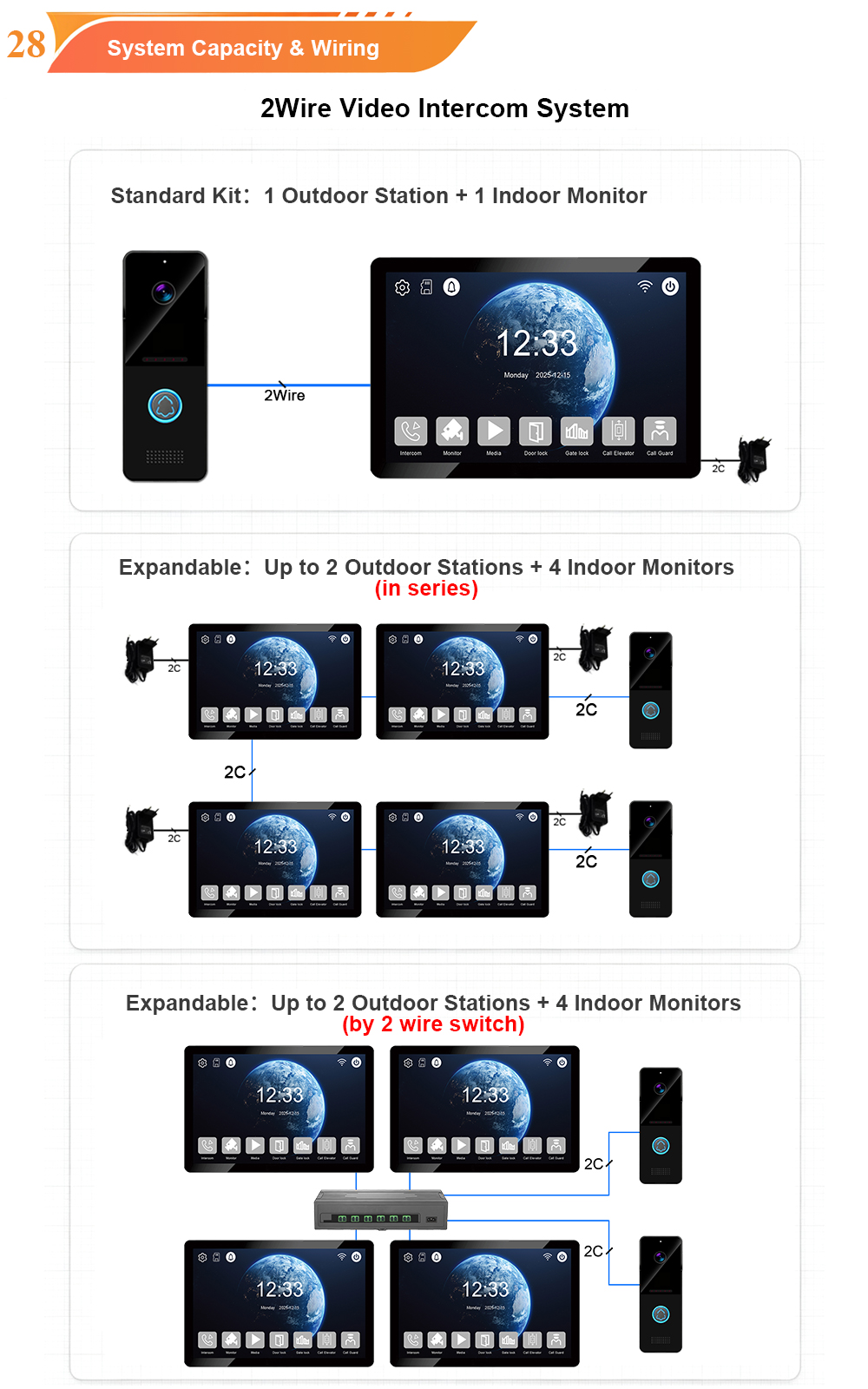
The key difference from traditional 2-wire or 4-wire systems is flexibility: devices connect to the network, so it’s easier to scale, link multiple entrances into one system, and manage everything remotely.
The verdict: For any multifamily property with more than 10–20 units, IP is the clear winner. It offers the scalability, remote access, and integration capabilities that modern residents expect.
Step 3: Evaluate Key Features
Once you’ve decided on the system type, it’s time to evaluate specific features. Here are the most important ones to consider.
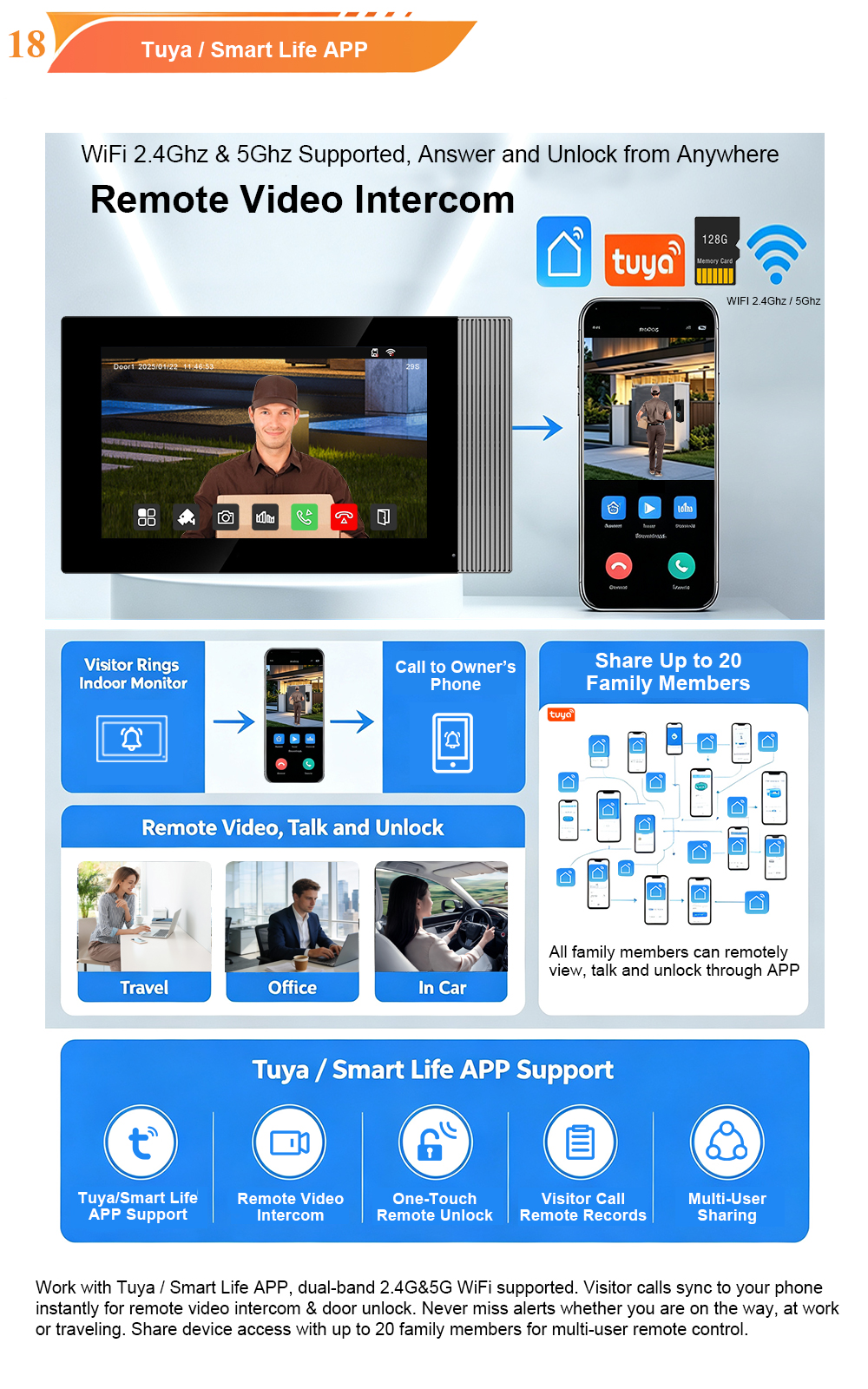
Video and Mobile Access
Video and mobile access are among the most important features to consider. They give residents a convenient way to visually verify visitors and manage access through their mobile devices.
What to look for:
- HD video quality: At least 720p resolution, with infrared night vision for 24/7 visibility
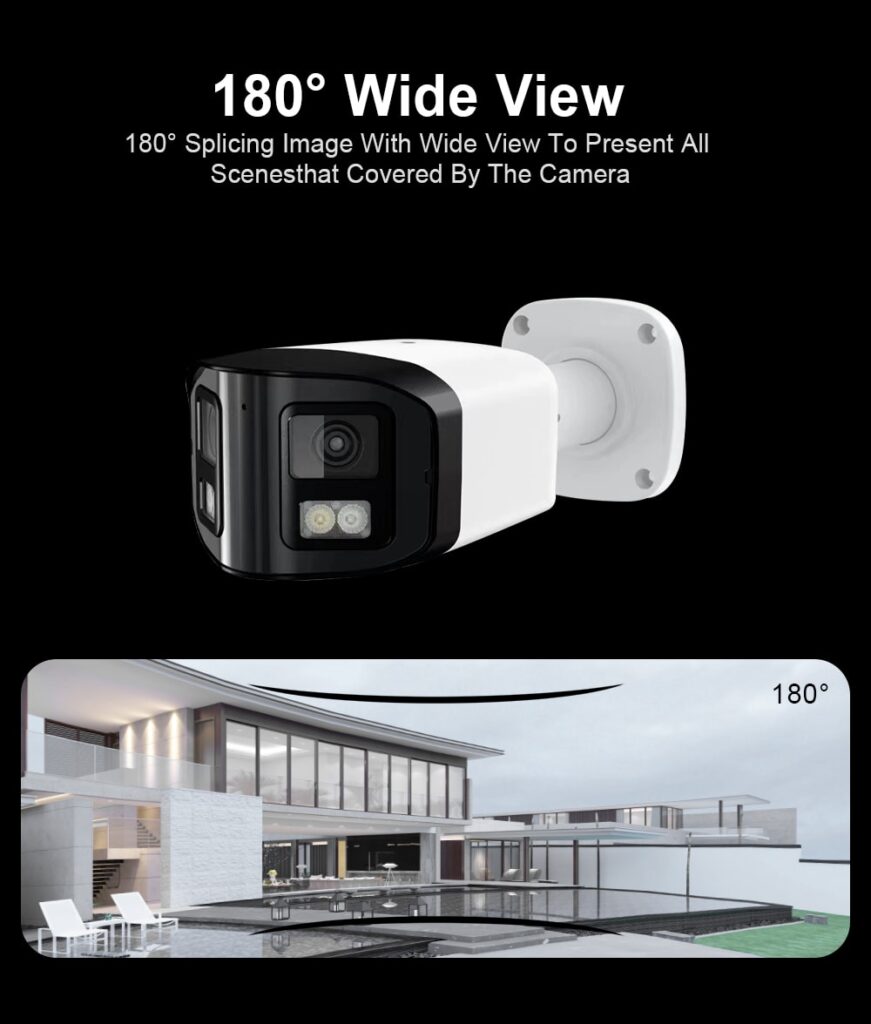
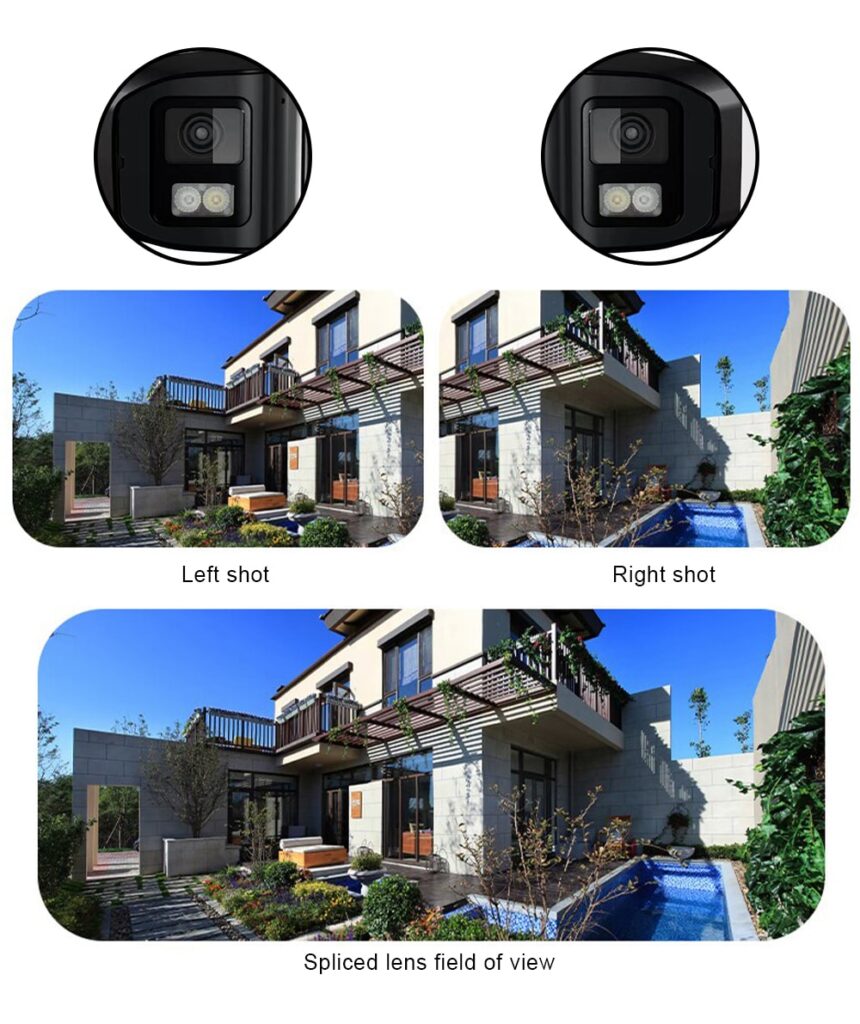
- Wide-angle lens: At least 120 degrees to minimize blind spots
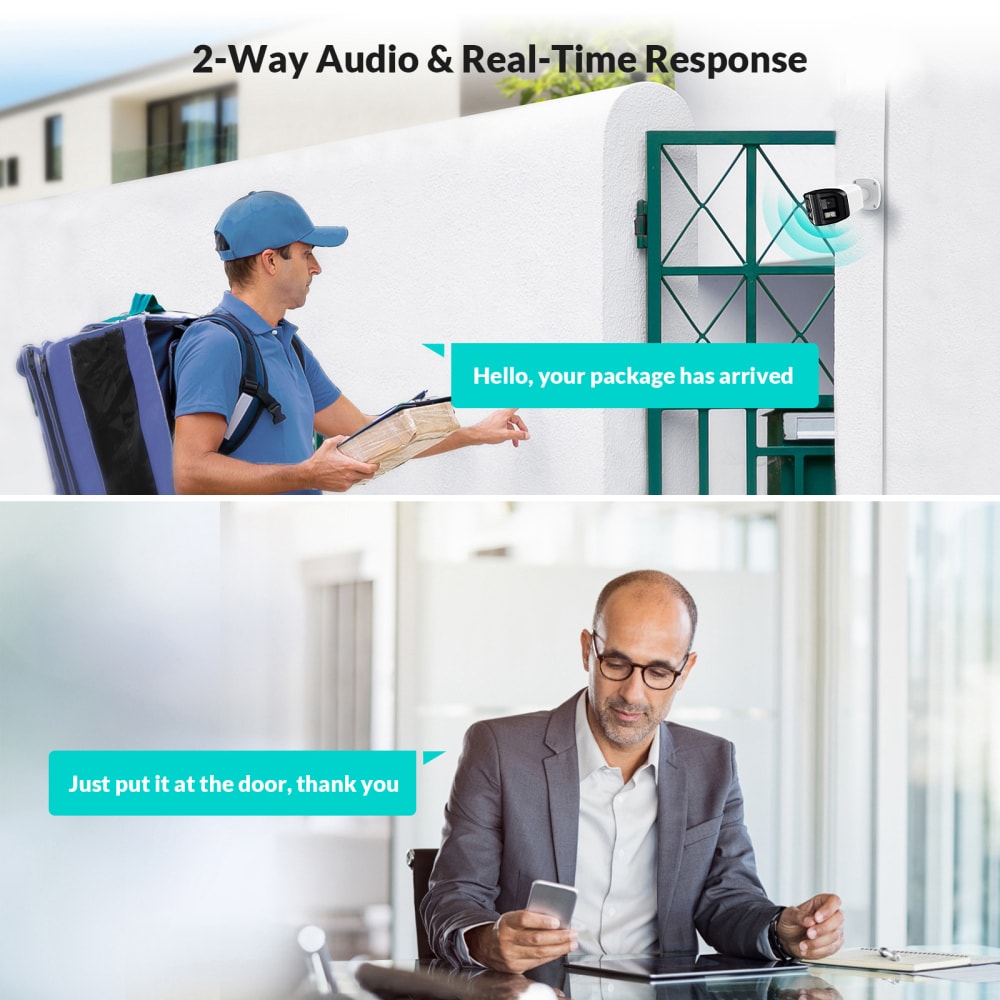
- Two-way audio: Clear communication with echo cancellation and noise reduction
- Mobile app: iOS and Android support with push notifications
Remote Door Release and Access Methods
Residents should be able to unlock doors remotely from their smartphones. Modern systems support multiple access methods:
- Mobile app (primary method)
- PIN codes (temporary or permanent)
- RFID cards/fobs
- QR codes (for guests and temporary access)
- Biometrics (facial recognition, fingerprint)
Features such as remote door release and temporary QR code passes allow trusted visitors like friends or family members to enter quickly without relying on the directory.
Cloud Management
Cloud management has become an essential consideration for large or multi-building properties, simplifying installation and day-to-day operations.
Benefits of cloud management:
- Fast and intuitive onboarding of new tenants
- Instant revocation of access permissions when residents move out
- Remote programming and multi-site management
- No ongoing license costs per residential unit
Integration Capabilities
Many apartment buildings also choose to integrate their intercom system with other aspects of their security systems. A good system should work effectively with other smart security devices.
Common integrations:
- CCTV and video management systems
- Access control systems
- Elevator control—restrict access to specific floors
- Smart locks
- SIP integration with desk phones
Modern IP intercoms work with access control systems, lifts, gates, and barriers. You can issue temporary codes or digital passes for guests and couriers.
Step 4: Consider Installation and Infrastructure
Installation considerations can make or break your project. Here’s what to evaluate.
Wired vs. Wireless
| Factor | Wired Systems | Wireless Systems |
|---|---|---|
| Reliability | Highly stable; immune to interference | Prone to signal dropout, especially through masonry or metal doors |
| Installation | Requires cabling; may be disruptive | Easy to install; no new wiring needed |
| Video Quality | Superior—no compression | May degrade with poor signal |
| Power | PoE provides both data and power | Requires separate power or batteries |
| Best for | New builds, renovations, commercial sites | Existing homes where cabling is difficult |
Recommendation: For apartment buildings, wired IP systems (PoE) are far more reliable and future-proof. Wireless systems are better suited for single-family homes or temporary installations.
Existing Infrastructure
Whether or not your building is already wired for an intercom system is a large factor.
- New builds: Choose IP intercom systems—you can design the network from scratch
- Older buildings: You can retrofit analog or IP intercoms onto existing wiring
- Retrofit options: IP-over-2-wire converters can reuse existing telephone or doorbell wiring
Installing a video intercom system in an old apartment building is a great way to improve security and convenience for your residents.
Power over Ethernet (PoE)
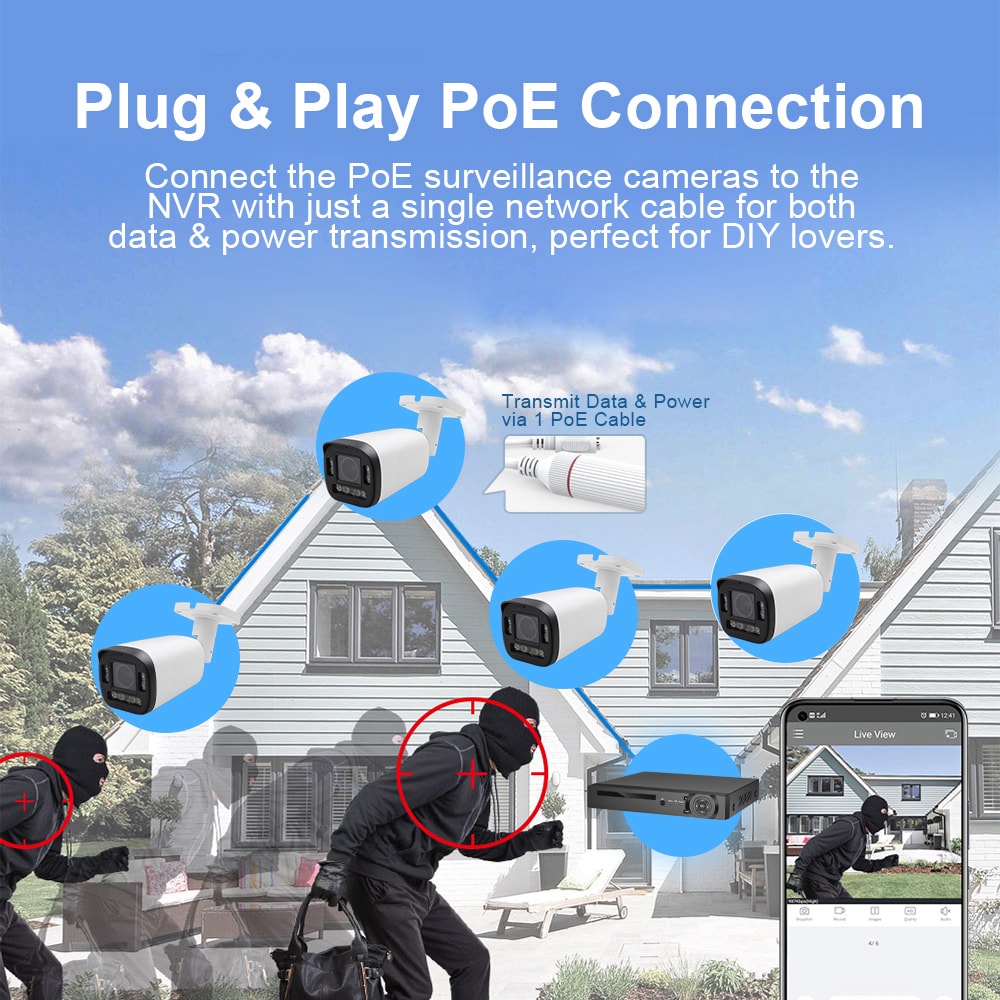
For IP systems, PoE is a game-changer. A single Ethernet cable provides both data and power to each device. The heart of a reliable IP video intercom system lies in the PoE switch—choose one that matches your load requirements.
Step 5: Factor in Costs and ROI
Cost is always a consideration, but it’s important to look beyond the upfront price tag.
Typical Cost Ranges
| System Type | Typical Cost |
|---|---|
| Basic smart doorbell installation | $50–$150 labor |
| Wired video intercom (single-family) | $200–$400 labor + hardware |
| Video intercom system with door release | $1,500–$10,000 |
| Multi-unit residential buildings | More involved—costs scale with number of units |
Beyond Upfront Costs
A cheap intercom system may fail within a few years, whereas a more expensive, higher-quality system can cost more upfront but will last longer, saving money in the long run.
Long-term savings to consider:
- Elimination of rekeying costs ($75–$250 per unit per year)
- Reduced staffing needs for access management
- Lower insurance premiums (25–30% decrease)
- Reduced package theft (40% decrease)
- Higher resident retention (6 percentage point increase)
Step 6: Check Manufacturer Credentials
Not all manufacturers are created equal. When choosing a video door phone system, evaluate the manufacturer’s track record.
Questions to ask:
- How many years of industry experience do they have?
- How many large-scale projects have they completed?
- Do they offer OEM/ODM services for customization?
- What certifications do their products hold? (CE, FCC, RoHS, IP65, EMC)
- What is their after-sales support like?
- Do they have a global presence?
Long-term reliability, scalability, integration, and cost matter just as much as feature lists.
Why FARHD Is a Trusted Partner for Multifamily Properties
With over 28 years of industry experience, FARHD is a leading Chinese manufacturer of video door phones and intercom systems designed specifically for multifamily residential buildings.
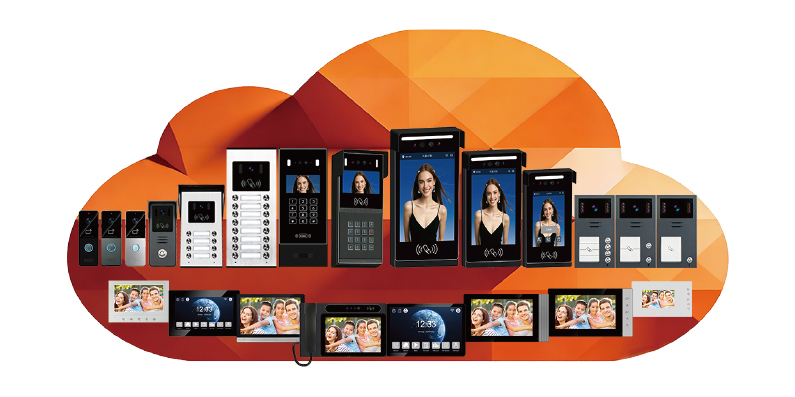
Full In-House R&D and Production: FARHD designs and manufactures everything from TFT LCD screens, driver boards, and camera modules to complete villa and apartment building intercom systems. This end-to-end control ensures quality and seamless integration at every stage.
Comprehensive Product Range:
- Wireless video doorbells
- 4-wire CVBS and AHD video doorbells
- 2-wire IP systems for villas and apartments
- IP-based systems for villas and apartments
- Audio intercom systems
Proven Track Record: FARHD has successfully completed over 10,000 large-scale building video intercom projects, including ultra-large communities with 1,000, 3,000, and even over 5,000 households. Supported by 28 direct sales branches across China, they have the expertise to handle projects of any scale.
Global Reach: FARHD provides SKD semi-knocked-down solutions to assembly factories across Europe, the Middle East, South America, Southeast Asia, the United States, Russia, India, Iran, Turkey, South Korea, and Italy—effectively reducing both production and tariff costs for partners.
International Certifications: Products hold CE, FCC, RoHS, IP65 water resistance, and EMC certifications.
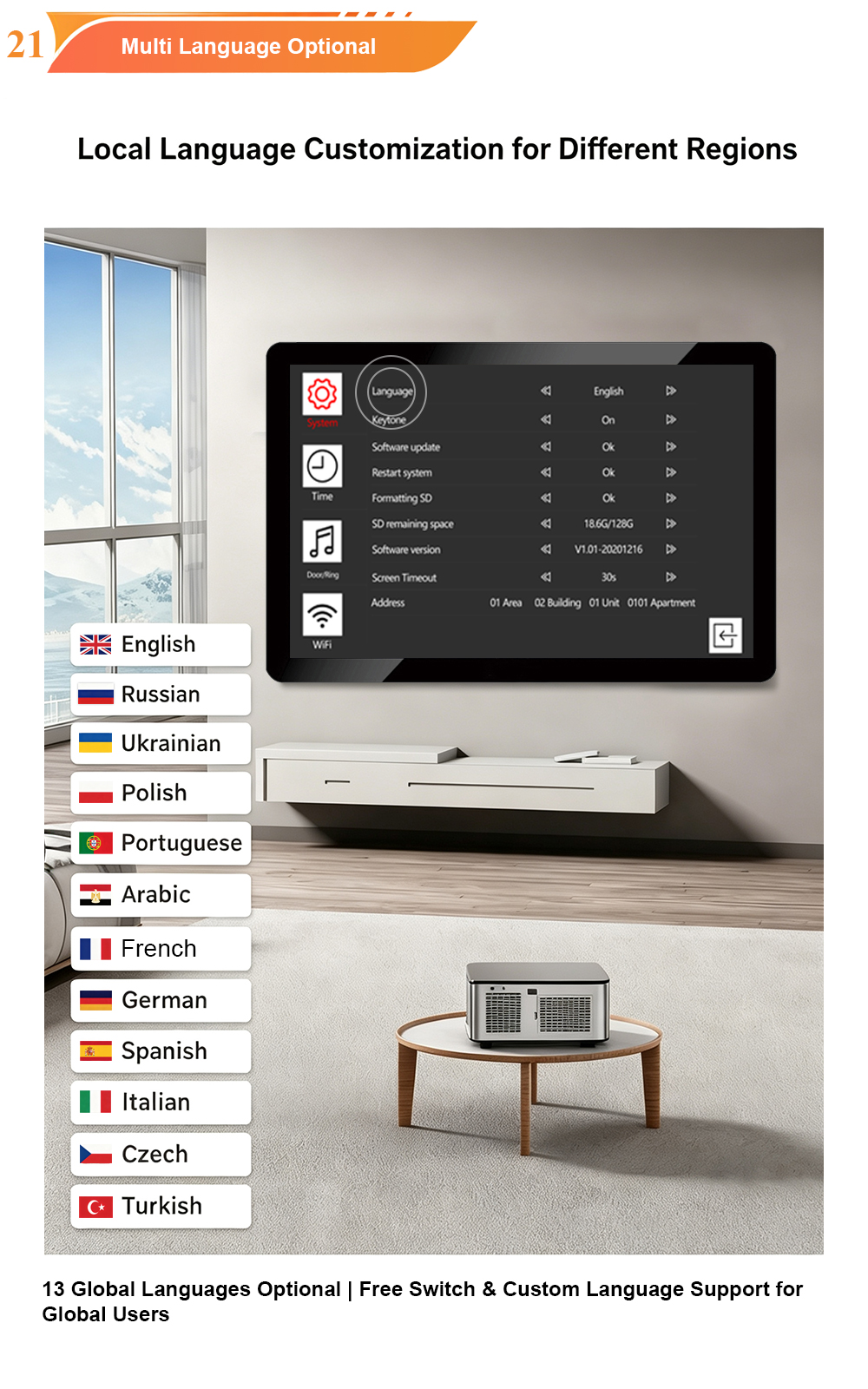
OEM/ODM Services: Comprehensive customization including software and hardware development, UI design, functional module adjustments, and tailored packaging solutions.
After-Sales Support: A dedicated technical support group is established upon product delivery to assist with programming, device installation, and wiring connections throughout the process.
Scale: FARHD serves over 1,000 enterprises worldwide with an annual sales volume of 300,000 units.
Frequently Asked Questions
What’s the difference between a video door phone and a smart doorbell?
A video door phone is a building-wide system with indoor monitors in each apartment, designed for multifamily properties. A smart doorbell is typically a single-unit solution for individual homes.
Can I install a video intercom in an old building without rewiring?
Yes. Retrofit options include IP-over-2-wire converters that reuse existing telephone or doorbell wiring, as well as wireless solutions.
How many units can an IP video intercom support?
High-end IP systems can support up to 9,999 door stations and 9,999 answering stations. Some systems are designed for buildings with up to 1,000 units.
Do residents need to be home to answer the door?
No. With mobile app integration, residents can answer calls, see visitors, and unlock doors from anywhere in the world.
What happens if the internet goes down?
Many IP systems include backup batteries in outdoor stations and fail-safe lock mechanisms (e.g., mechanical key overrides) so that emergency exit and entry remain possible. Some systems can operate locally without internet.
How much does a video intercom system cost?
Costs vary widely based on building size and system complexity. Commercial video intercom systems typically range from $1,500 to $10,000, with multi-unit residential buildings requiring more investment.
Conclusion
Choosing the best video door phone for your multifamily property doesn’t have to be overwhelming. By following this step-by-step framework—assessing your building’s needs, choosing between analog and IP, evaluating key features, considering installation, factoring in costs, and checking manufacturer credentials—you can make a confident, informed decision.
The bottom line:
- Small buildings (<20 units): Analog or entry-level IP may suffice
- Medium buildings (20–100 units): IP system with mobile app and PoE is recommended
- Large buildings (100+ units): Robust IP system with cloud management and integrations
IP video intercoms offer the scalability, remote access, and integration capabilities that modern residents expect. They’re best for new construction, large communities, or major modernization projects that require mobile access, video verification, and cloud management.
Investing in a high-quality video door phone system isn’t just a security upgrade—it’s a strategic decision that enhances property value, attracts better tenants, and gives residents the peace of mind they expect in 2026 and beyond.
Ready to choose the right video door phone for your property? Contact FARHD for a customized solution tailored to your building’s needs.
This guide is brought to you by FARHD—your partner in smart video intercom solutions for multifamily properties worldwide.

About the Author: S & Y Internet Technology Inc.
S & Y Internet Technology Inc. is a professional installation and repair service provider based in Flushing, New York. Our expert team provides door-to-door installation and maintenance within a 100 km radius, ensuring quick response and high-quality results for every project — whether residential, commercial, or specialized.

Install & Repair Services
You May Also Interest
-
RFID vs QR Code vs Mobile App: Comparing Access Methods for Residential Buildings
Choosing the right access method for your apartment building or gated community is a decision that affects security, convenience, cost, and resident satisfaction. RFID cards, QR codes, and mobile apps each have distinct strengths and weaknesses. This guide compares them side by side—so you can make an informed choice for your next project. In modern…
-
Tuya vs Smart Life: Which App Is Better for Your Video Door Phone?
A practical comparison to help you choose the right app for your smart intercom system If you’ve recently purchased a FARHD video door phone, you’ve probably noticed that the product documentation mentions two apps: Tuya Smart and Smart Life. This immediately raises a common question: which one should you actually use? Are they different? Does…
-
Touch Screen vs Non-Touch Video Intercom Monitors: Which Is Better for Residents?
When specifying a video intercom system for an apartment building, villa, or residential community, one question often divides decision-makers: should the indoor monitor have a touch screen or physical buttons? Both options have passionate advocates. Both have real advantages. And both can be the wrong choice if they don’t match the needs of the residents…
-
How to Upgrade an Old Apartment Intercom to IP Without Rewiring: Step-by-Step
Upgrading an old apartment intercom to a modern IP system no longer requires tearing down walls, replacing every cable, or disrupting residents for weeks. With the right retrofit technology, you can deliver full IP functionality—video calling, mobile access, remote management—using the existing 2-wire cabling already inside your building. This step-by-step guide shows you how. Many…