Wired vs Wireless Video Intercom: Pros and Cons for Multi-Tenant Properties
Share
Quick Navigation
- What Is a Wired Video Intercom System?
- What Is a Wireless Video Intercom System?
- Wired Video Intercom: Pros and Cons
- Wireless Video Intercom: Pros and Cons
- Side-by-Side Comparison
- How to Choose the Right System for Your Building
- The Hybrid Approach: Getting the Best of Both Worlds
- Why FARHD Is a Trusted Partner for Both Solutions
- Frequently Asked Questions
Choosing between a wired and wireless video intercom system is not just a hardware decision—it’s an operations decision. The choice you make will impact installation costs, day-to-day reliability, maintenance requirements, and resident satisfaction for years to come.
For multi-tenant properties like apartment buildings, condos, and mixed-use developments, getting this decision right is critical. The wrong choice can lead to frustrated residents, costly repairs, and security gaps. The right choice delivers enhanced security, streamlined operations, and happy tenants.
This guide breaks down the pros and cons of both wired and wireless video intercom systems for multi-tenant properties, helping you make an informed, data-driven decision.
What Is a Wired Video Intercom System?
A wired video intercom system uses physical cables—typically twisted pair, coaxial, or Cat5e/Cat6 Ethernet—to transmit audio, video, and control signals between the outdoor door station and the indoor monitors.
Traditional wired systems connect the outdoor unit to indoor monitors through dedicated cables. They have been the industry standard for decades, dominating multi-unit residential and commercial installations.
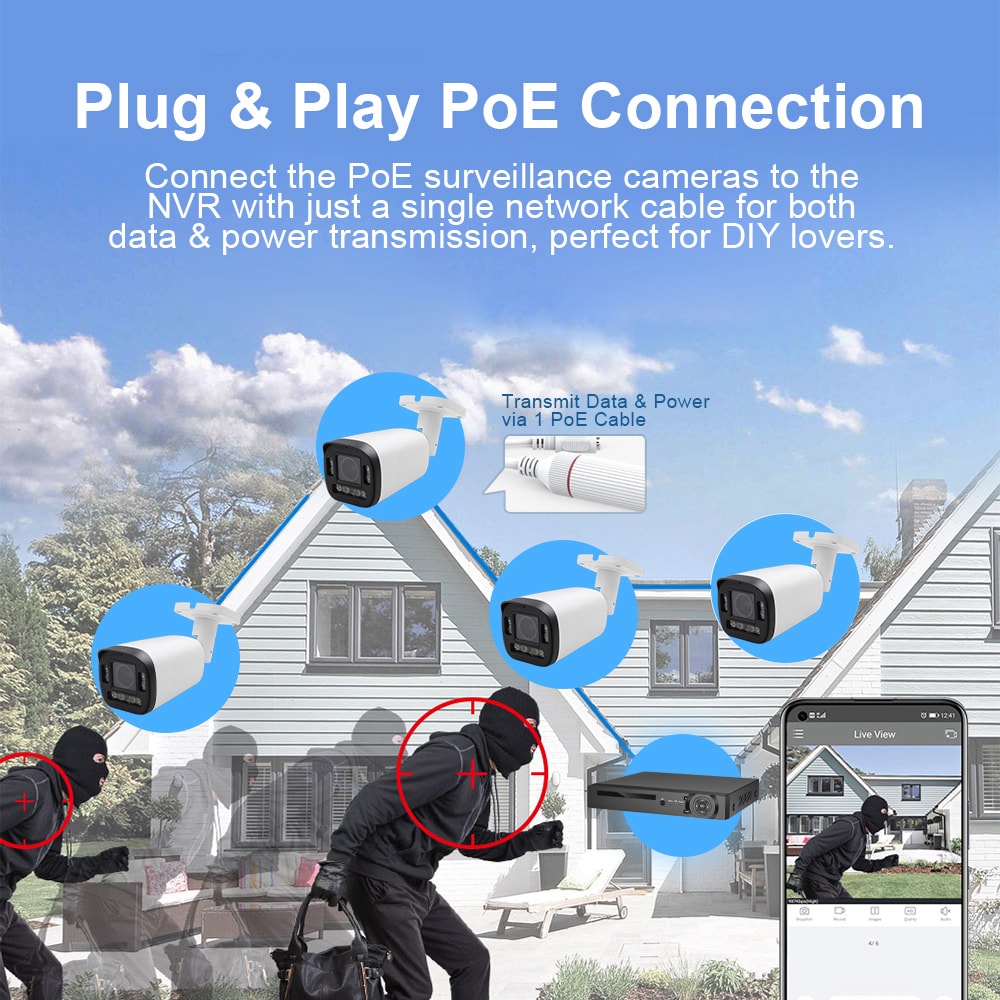
Modern wired systems often use Power over Ethernet (PoE) technology, which means one cable to each door station handles both power and signaling. This simplifies installation while maintaining the reliability of a physical connection.
What Is a Wireless Video Intercom System?
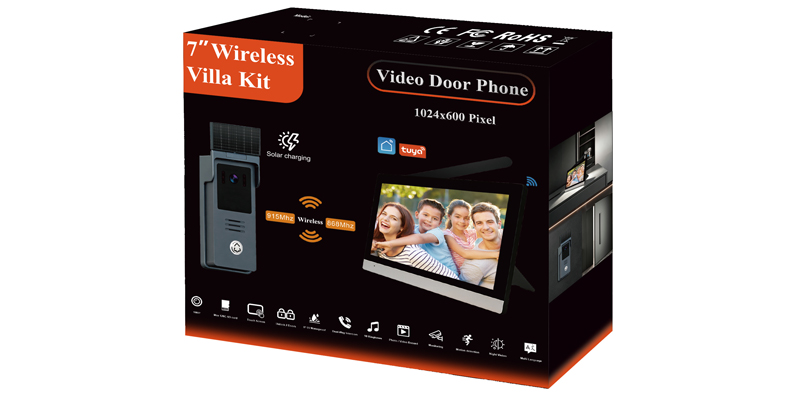
A wireless video intercom system transmits audio, video, and control signals via radio frequencies, Wi-Fi, or cellular networks instead of physical cables.
Wireless systems are a popular choice for existing buildings since they’re easier to install and don’t require major construction work. They typically run over Wi-Fi or other wireless networks, reducing the need for added wiring.
Modern wireless systems offer HD video, smartphone integration, and cloud management capabilities that rival—and in some cases surpass—traditional wired setups.
Wired Video Intercom: Pros and Cons
✅ Advantages of Wired Systems
1. Unmatched Reliability and Stability
Wired systems offer a more stable connection, less susceptible to interference, hacking, or signal drop-outs. They don’t rely on Wi-Fi or other wireless networks, which can be prone to disruptions. For multi-tenant buildings where constant uptime is essential, this reliability is invaluable.
2. Superior Audio and Video Quality
Because data transmission is direct over physical cables, wired systems often deliver superior audio and video quality. There’s no compression or signal degradation from wireless interference. Many wired systems support HD (1080p) and even 4K video resolution, capturing clear facial details at entry points.
3. Enhanced Security
Wired connections are generally considered more secure as the physical connection is harder to tamper with. They’re harder to hack or intercept compared to wireless signals.
4. Long Operational Lifespan
Wired systems have an operational lifespan of 15–25 years. The hardware is built for longevity, and components are generally available from manufacturers for many years.
5. No Dependency on Wi-Fi or Cloud Services
Wired systems can operate completely independently of internet connectivity. They don’t rely on Wi-Fi networks that can go down, and they display lower levels of latency, making communication as real-time as possible.
6. Constant Power Supply
Wired systems receive constant power from the mains. No batteries to change, no power planning for each unit.
❌ Disadvantages of Wired Systems
1. Complex and Costly Installation
Installation is more complex, time-consuming, and potentially disruptive—requiring drilling holes and running cables through walls. This can be costly, especially for existing properties. Installation requires professional help, particularly for multi-story buildings.
2. Limited Flexibility
Once installed, wired systems are less adaptable. Expanding or moving units can be difficult and expensive. Adding a unit means running new cable.
3. Vulnerable to Physical Damage
Physical cables are vulnerable to construction damage, pests, and moisture. In older, poorly maintained buildings, a broken wire in a cable can cause significant problems.
4. Higher Upfront Cost
Wired systems typically have higher upfront costs. Wired intercoms can cost up to $7,000** for traditional systems, with video-enabled systems ranging from **$2,000 to $5,000+.
Wireless Video Intercom: Pros and Cons
✅ Advantages of Wireless Systems
1. Easy and Quick Installation
Wireless systems can be installed in hours, not days. No extensive cabling is required, which significantly reduces labor costs. Installation is much quicker and less disruptive, often DIY-friendly.
2. Flexibility and Scalability
It’s easier to add or move units, making wireless systems adaptable for changing needs. Adding or relocating units is a configuration change, not a construction project.
3. Lower Upfront Cost
Wireless systems typically cost less upfront. Wireless intercoms can be priced up to **$3,000**, compared to $7,000 for wired systems. Hardware costs range from $100 to $400 for basic units.
4. Smart Features and Integration
Many wireless systems integrate with smartphones (via Wi-Fi or GSM), allowing remote access, notifications, and communication from anywhere. They often come with mobile apps and cloud storage.
5. Ideal for Retrofits
Wireless systems are perfect for existing buildings where running new cables would be too disruptive or expensive.
❌ Disadvantages of Wireless Systems
1. Susceptibility to Interference
Wireless systems can be susceptible to signal interference from other electronics, Wi-Fi congestion, large distances, and building materials—leading to dropped calls or poor quality. Performance depends on Wi-Fi strength. In dense urban environments or concrete buildings, RF interference can be a significant problem.
2. Dependency on Network Infrastructure
Wireless systems have complete dependency on network infrastructure—if the router or ISP fails, so does the intercom.
3. Battery Management
Wireless units often rely on batteries, requiring regular checks and replacements.
4. Limited Range
Wireless systems are limited by signal strength, especially for gate intercoms far from the main building.
5. Potential Security Vulnerabilities
While modern wireless systems are secure, older or cheaper ones might be more vulnerable to eavesdropping.
Side-by-Side Comparison
| Feature | Wired Video Intercom | Wireless Video Intercom |
|---|---|---|
| Reliability | ⭐⭐⭐⭐⭐ Highly stable, no interference | ⭐⭐⭐ Depends on Wi-Fi signal strength |
| Installation | Complex, costly, disruptive | Quick, affordable, DIY-friendly |
| Video Quality | Superior, consistent | Good, may degrade with poor signal |
| Flexibility | Fixed setup, hard to expand | Easy to expand and relocate |
| Upfront Cost | Higher ($2,000–$7,000+) | Lower ($100–$3,000) |
| Lifespan | 15–25 years | Shorter, technology evolves quickly |
| Power | Constant mains power | Battery-dependent or local power |
| Security | Harder to tamper with | Modern systems are secure; older ones may be vulnerable |
| Smart Integration | Limited without add-ons | Strong native compatibility |
| Best For | New construction, permanent installations | Retrofits, rentals, flexible setups |
How to Choose the Right System for Your Building
The decision between wired and wireless depends on your specific building circumstances. Here’s a framework to guide your choice:
Choose Wired If:
- You’re building new or doing major renovations – You can design power, conduit, and connectivity correctly from the start
- You manage a multi-unit or commercial building – Long-term reliability is the priority
- Existing cable infrastructure is in place – You can leverage what’s already there
- You need the highest possible video quality – No compression, no interference
- You want a 15–25 year lifespan – One investment, decades of service
- You have a high-rise building – Centralized, wired systems are often the best choice for tall buildings with many units
Choose Wireless If:
- You’re retrofitting an existing building without existing cable runs
- You need fast deployment – Installation in hours, not days
- Smart home integration matters – Native app support and cloud management
- You’re working with a tight budget – Lower upfront costs
- You need flexibility – The ability to add or move units easily
- You have a smaller building or rental property – Less permanent commitment
Key Considerations for Multi-Tenant Properties
Building Type & Size
For multi-tenant buildings with high traffic flow, IP-based systems (which can be wired or wireless) are often better to easily manage visitors. Consider how many entrance and answering stations you need, as well as mobile app compatibility.
Existing Infrastructure
Whether or not your building is already wired for an intercom system is a large factor. Most new builds choose IP intercom systems, whereas older buildings can retrofit analog or IP intercoms onto existing wiring.
Budget & Quality
A cheap intercom system may fail within a few years, whereas a more expensive, higher-quality system can cost more upfront but will last longer, saving money in the long run.
Resident Expectations
If you have a new apartment building and your tenants want high-tech amenities, a wireless or IP-based system with mobile app access is the best option.
The Hybrid Approach: Getting the Best of Both Worlds
One of the most exciting developments in the intercom industry is the hybrid approach—combining the reliability of wired systems with the flexibility of wireless.
What is a hybrid intercom system?
A hybrid system typically uses a wired backbone (often PoE/IP) with wireless or remote access layered on top. “Hybrid” can also mean dual-path connectivity—for example, wired primary with LTE failover.
Why hybrid works for multi-tenant properties:
- Wired reliability where it matters most (the core infrastructure)
- Wireless convenience for mobile app access and remote management
- Failover protection – if one connection goes down, another takes over
- Future-proof – you can add wireless features without replacing the entire system
Smart/hybrid platforms are often the best fit for many multifamily operators because they add the admin layer—roles, audit logs, turnover management, and vendor access—with clearer outage behavior.
Why FARHD Is a Trusted Partner for Both Solutions
With over 28 years of industry experience, FARHD is a leading Chinese manufacturer of video door phones and intercom systems—offering both wired and wireless solutions to meet the diverse needs of multifamily properties worldwide.
Full In-House R&D and Production: FARHD designs and manufactures everything from TFT LCD screens, driver boards, and camera modules to complete villa and apartment building intercom systems. This end-to-end control ensures quality and seamless integration at every stage.
Comprehensive Product Range:
- Wireless video doorbells
- 4-wire CVBS and AHD video doorbells
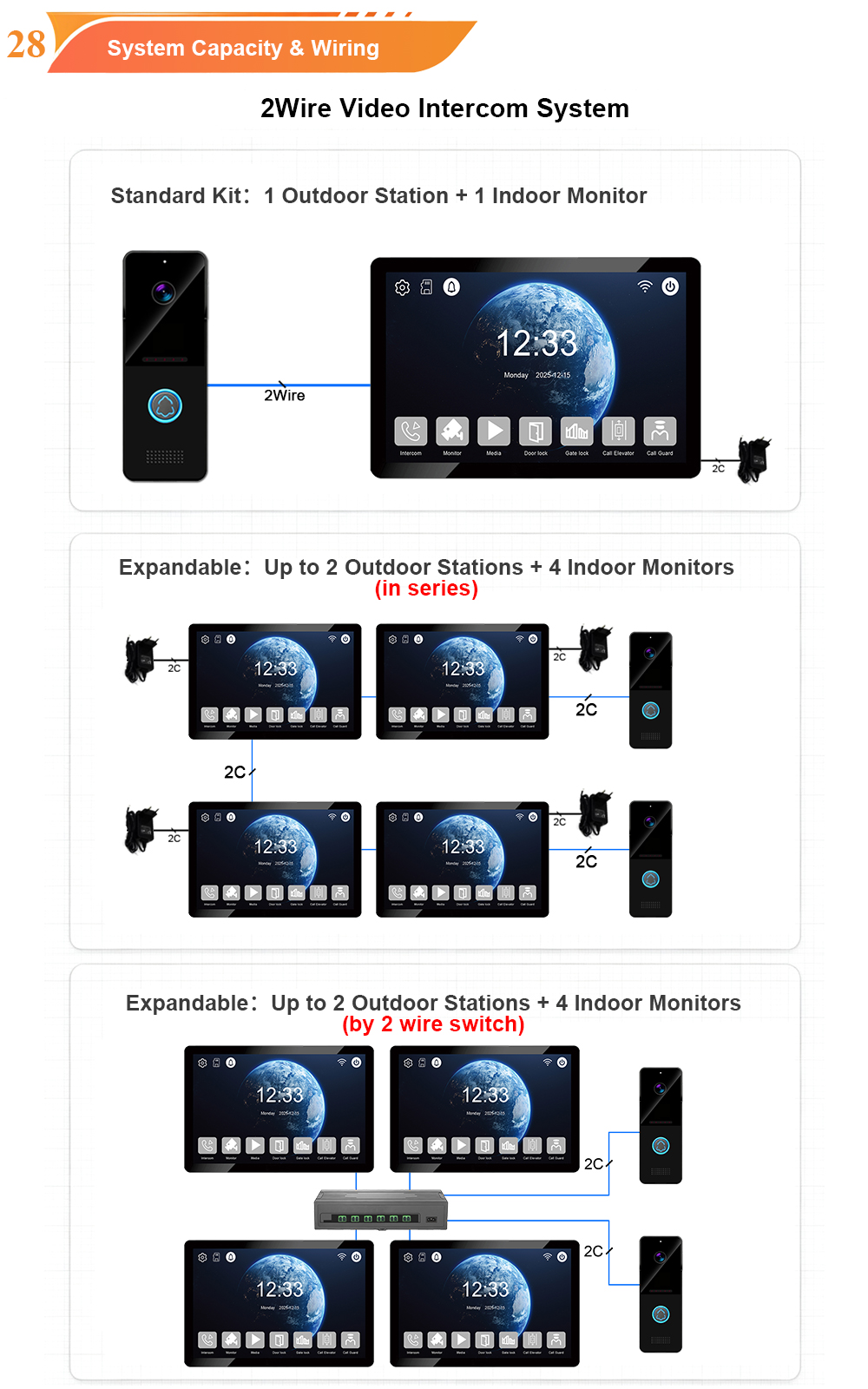
- 2-wire IP systems for villas and apartments
- IP-based systems for villas and apartments
- Audio intercom systems
This means FARHD can provide the right solution for any building situation—whether you need a low-disruption wireless retrofit for an existing building or a full-scale wired IP installation for a new development.
Proven Track Record: FARHD has successfully completed over 10,000 large-scale building video intercom projects, including ultra-large communities with 1,000, 3,000, and even over 5,000 households. Supported by 28 direct sales branches across China, they have the expertise to handle projects of any scale.
Global Reach: FARHD provides SKD semi-knocked-down solutions to assembly factories across Europe, the Middle East, South America, Southeast Asia, the United States, Russia, India, Iran, Turkey, South Korea, and Italy—effectively reducing both production and tariff costs for partners.
International Certifications: Products hold CE, FCC, RoHS, IP65 water resistance, and EMC certifications.
OEM/ODM Services: Comprehensive customization including software and hardware development, UI design, functional module adjustments, and tailored packaging solutions.
After-Sales Support: A dedicated technical support group is established upon product delivery to assist with programming, device installation, and wiring connections throughout the process.
Scale: FARHD serves over 1,000 enterprises worldwide with an annual sales volume of 300,000 units.
Frequently Asked Questions
Is a wired intercom more reliable than wireless?
Yes. Wired systems offer a more stable connection, less susceptible to interference, hacking, or signal drop-outs. They don’t rely on Wi-Fi or other wireless networks, which can be prone to disruptions.
Which is cheaper—wired or wireless?
Wireless systems typically cost less upfront ($100–$3,000) compared to wired systems ($2,000–$7,000+). However, wired systems often have lower long-term maintenance costs and longer lifespans.
Can I install a wireless intercom in an old building?
Yes. Wireless systems are ideal for retrofitting existing buildings because they don’t require major construction work. They can be installed quickly and with minimal disruption.
What happens if the Wi-Fi goes down with a wireless system?
If the Wi-Fi goes down, the wireless intercom system may stop working, as it depends on network infrastructure. This is why some properties choose hybrid systems with failover options.
How long do wired intercom systems last?
Wired systems have an operational lifespan of 15–25 years. The hardware is built for longevity, and components are generally available from manufacturers for many years.
Can I upgrade from wireless to wired later?
It’s possible but costly. The wired infrastructure would need to be installed, which involves running cables through walls—a disruptive process. This is why it’s important to choose the right system from the start.
What’s best for a new apartment building?
For new construction, wired PoE/IP is often the strongest choice. You have the best opportunity to design power, conduit, and connectivity correctly from the start.
Conclusion
The choice between wired and wireless video intercom isn’t about which technology is better—it’s about which failure modes you’re willing to manage and which installation constraints you’re working within.
| Your Situation | Recommended System |
|---|---|
| New construction with structured cabling | Wired PoE/IP – best opportunity to design correctly from the start |
| Retrofit with usable existing wiring | 2-wire wired retrofit – minimizes disruption |
| Retrofit with no existing wiring | Wireless – quick, affordable, flexible |
| High-rise building | Wired – central management, reliable connectivity |
| Small building with tight budget | Wireless – lower upfront costs |
| Mixed needs – want reliability + flexibility | Hybrid – wired backbone with wireless features |
The apartment video intercom system market is expected to grow from $2.64 billion in 2025 to $5 billion by 2035. Whether you choose wired, wireless, or a hybrid solution, investing in a modern video intercom system is a strategic decision that enhances security, convenience, and property value.
Ready to choose the right system for your building? Contact FARHD for a customized video intercom solution tailored to your property’s cabling, size, and needs.
This guide is brought to you by FARHD—your partner in smart video intercom solutions for multifamily properties worldwide.

About the Author: S & Y Internet Technology Inc.
S & Y Internet Technology Inc. is a professional installation and repair service provider based in Flushing, New York. Our expert team provides door-to-door installation and maintenance within a 100 km radius, ensuring quick response and high-quality results for every project — whether residential, commercial, or specialized.

Install & Repair Services
You May Also Interest
-

RFID vs QR Code vs Mobile App: Comparing Access Methods for Residential Buildings
Choosing the right access method for your apartment building or gated community is a decision that affects security, convenience, cost, and resident satisfaction. RFID cards, QR codes, and mobile apps each have distinct strengths and weaknesses. This guide compares them side by side—so you can make an informed choice for your next project. In modern…
-
Tuya vs Smart Life: Which App Is Better for Your Video Door Phone?
A practical comparison to help you choose the right app for your smart intercom system If you’ve recently purchased a FARHD video door phone, you’ve probably noticed that the product documentation mentions two apps: Tuya Smart and Smart Life. This immediately raises a common question: which one should you actually use? Are they different? Does…
-

Touch Screen vs Non-Touch Video Intercom Monitors: Which Is Better for Residents?
When specifying a video intercom system for an apartment building, villa, or residential community, one question often divides decision-makers: should the indoor monitor have a touch screen or physical buttons? Both options have passionate advocates. Both have real advantages. And both can be the wrong choice if they don’t match the needs of the residents…
-

How to Upgrade an Old Apartment Intercom to IP Without Rewiring: Step-by-Step
Upgrading an old apartment intercom to a modern IP system no longer requires tearing down walls, replacing every cable, or disrupting residents for weeks. With the right retrofit technology, you can deliver full IP functionality—video calling, mobile access, remote management—using the existing 2-wire cabling already inside your building. This step-by-step guide shows you how. Many…