Video Door Phone with Facial Recognition: Is It Worth the Upgrade?
Share
Quick Navigation
- What Is Facial Recognition on a Video Door Phone?
- Why Facial Recognition Is Becoming Mainstream
- The Advantages of Facial Recognition Door Phones
- The Challenges and Limitations
- Is It Worth the Upgrade? A Decision Framework
- Privacy and Compliance: What You Need to Know
- Why FARHD Is a Trusted Partner for Smart Access Solutions
- Frequently Asked Questions
What Is Facial Recognition on a Video Door Phone?
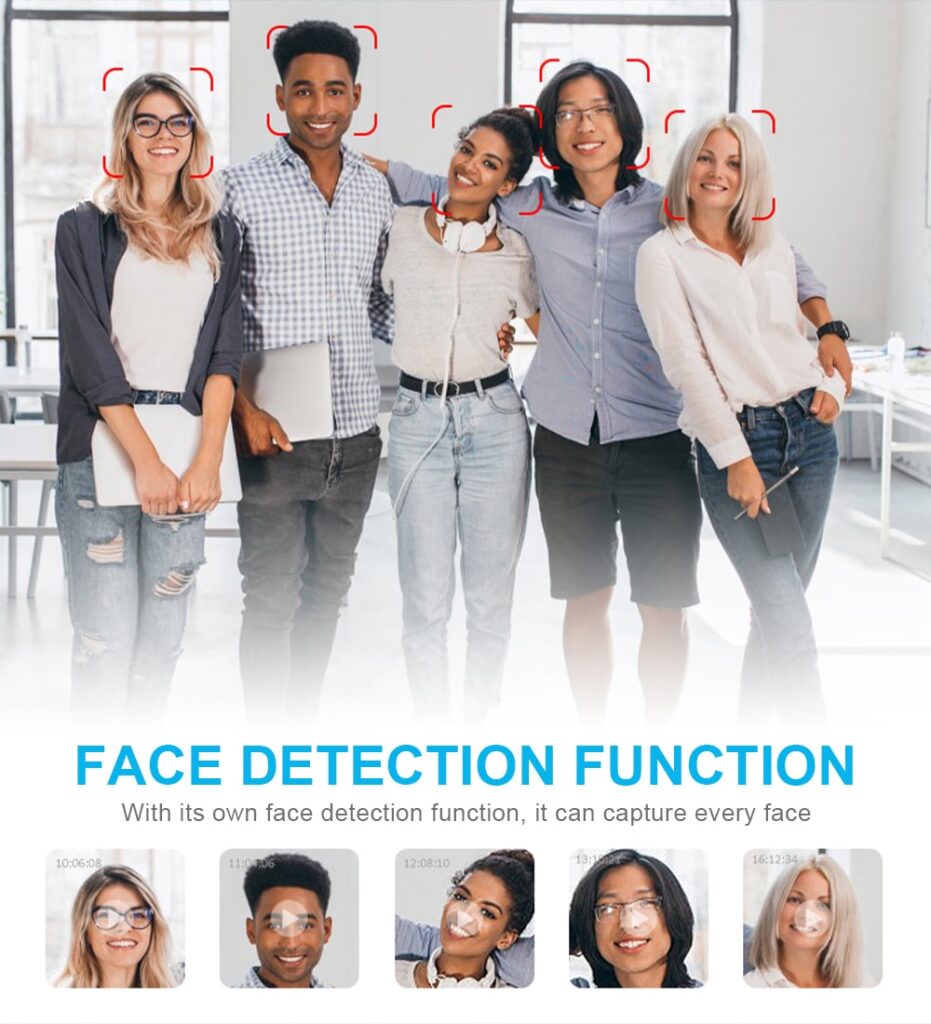
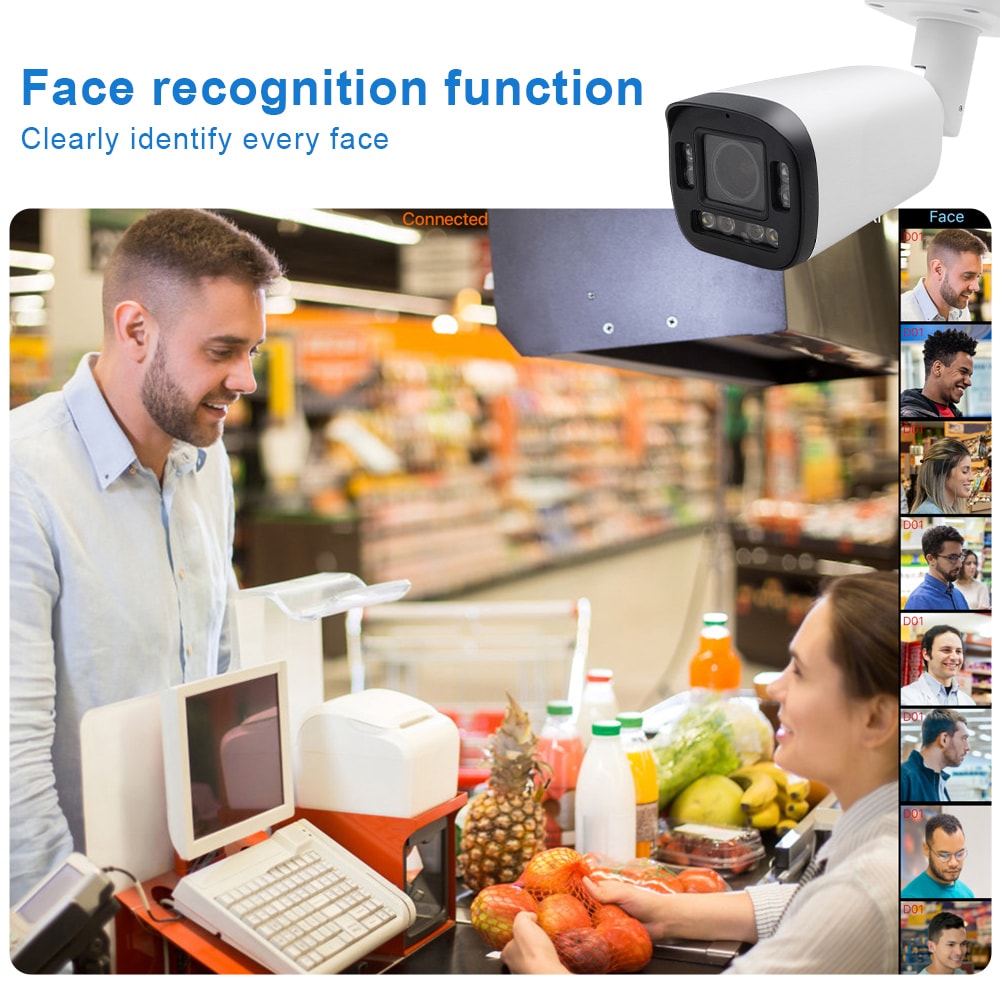
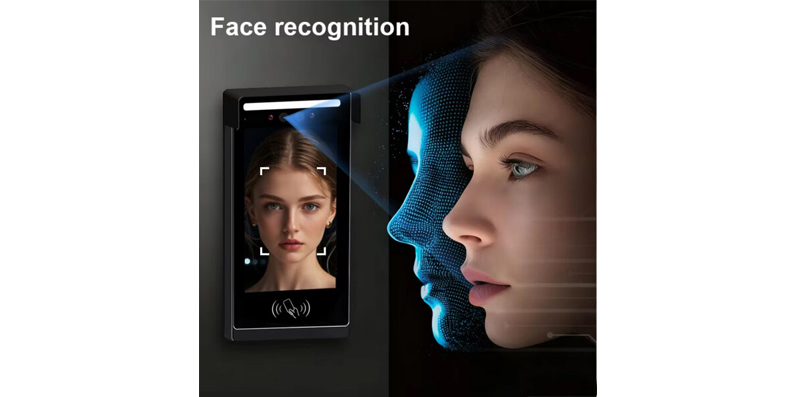
A video door phone with facial recognition uses AI-powered biometric technology to identify visitors by analyzing their facial features. When someone approaches the door or rings the bell, the system compares their face against a database of enrolled users. If there’s a match, it can automatically unlock the door, send a personalized notification, or grant access—all without the visitor needing to press a button, carry a key, or remember a code.
Unlike standard video doorbells that simply show you who’s at the door, facial recognition systems identify who is at the door. Instead of a generic “motion detected” alert, you receive a notification like “Mom at Front Door”.
How it works:
- Enrollment – Residents and authorized users register their faces in the system
- Detection – The door phone’s camera detects a face approaching or at the door
- Matching – AI algorithms compare the detected face against the enrolled database
- Action – If matched, the system can unlock the door, send a notification, or grant access
Today’s facial recognition door phones deliver accuracy rates of 99.5% or higher, with recognition speeds of less than 0.2–0.5 seconds and false recognition rates as low as 0.1%.
Note: Face detection (detecting that a face is present) is different from face recognition (identifying who the face belongs to). Some systems only offer detection; true facial recognition systems identify specific individuals.
Why Facial Recognition Is Becoming Mainstream
Facial recognition is rapidly moving from a niche feature to a standard expectation in modern video door phones. The global AI video intercom systems market is estimated at $1.2 billion in 2024** and expected to reach **$3.5 billion by 2033, at a CAGR of 12.5%. The broader video intercom market is projected to grow from $3.5 billion in 2024 to $6.8 billion by 2033.
Several factors are driving this adoption:
1. AI Technology Has Matured
Edge AI processors—like Hailo-8, NVIDIA Jetson Nano, and Google Coral—are now cheap enough that any commercial-grade unit can ship with them. This means facial recognition can run on the device itself (edge computing) rather than relying on cloud servers, improving speed and privacy.
2. Residents Expect Frictionless Access
In 2026, residents want to walk up to their building and be recognized instantly—no keys, no phones, no codes. Swiftlane, for example, lets residents “walk up to a door, look at the Access Point, and unlock using just your face”. This hands-free experience is rapidly becoming the standard in luxury multifamily communities.
3. Security Demands Are Increasing
With 84% of residents considering security features a primary factor in their housing decisions, property owners are investing in advanced access control. AI-powered video doorbells can identify individuals, detect suspicious activity, and send real-time alerts. Systems with anti-spoofing liveness detection can block fake access attempts using printed photos, recorded videos, or masks.
4. Multi-Factor Authentication Is the New Standard
Modern facial recognition door phones typically offer multiple access methods—not just face recognition. The Fanvil i67 supports facial recognition, PIN codes, IC/ID cards, QR codes, and remote unlocking through mobile apps. The Akuvox S535 supports face recognition, RFID cards, PIN, BLE, and QR codes. The Ora FacePass FP02MY26 offers 8-in-1 authentication methods including 3D facial recognition, palm vein scanning, and fingerprint authentication.
The Advantages of Facial Recognition Door Phones
1. Hands-Free, Frictionless Entry
Residents no longer need to carry keys, phones, or access cards. They simply approach the door, and the system recognizes them and grants access. As Durin demonstrated at MWC Barcelona 2026, combining edge AI facial recognition with UWB-enabled smartphones enables hands-free, privacy-first home entry—the phone stays in the pocket.
2. Personalized Notifications
Instead of generic “motion detected” alerts, residents receive named notifications like “Mom at Front Door” or “Delivery Driver at Entrance”. This reduces alert fatigue and helps residents prioritize their responses.
3. Enhanced Security with Liveness Detection
Advanced systems use anti-spoofing liveness detection to distinguish real faces from photos, videos, or masks. This prevents unauthorized access attempts using printed photos, recorded videos, or masks, significantly improving building security.
4. Reduced Tailgating and Unauthorized Access
Facial recognition creates individual accountability—every entry is tied to a specific person. This deters tailgating and makes it easier to investigate security incidents.
5. Scalability for Large Buildings
High-end facial recognition systems can store thousands of face profiles. The Fanvil i67 supports up to 10,000 face profiles and 10,000 access cards. The Akuvox S535 supports 20,000 face templates, 100,000 cards, and 50,000 PINs. This makes them suitable for large residential communities and office buildings.
6. Integration with Broader Security Ecosystems
Facial recognition door phones integrate with CCTV, access control systems, elevators, and building automation. Panasonic’s VL-VQ Series, for example, combines door stations, lobby display units, room monitors, guard stations, and central management software into a unified platform. The Fanvil i67 supports ONVIF protocol compatibility for integration with third-party surveillance systems and NVRs.
The Challenges and Limitations
1. Accuracy Depends on Conditions
Real-world accuracy is not always as perfect as lab tests suggest. Facial recognition accuracy depends heavily on:
As one analysis notes: “Companies always use the phrase ‘highly accurate,’ however, in real-world use, it tells a different story”. While some systems achieve 99.7%+ accuracy, this typically requires optimal conditions.
2. Privacy and Regulatory Concerns
Facial recognition collects biometric data—which is classified as “special category data” under GDPR and similar regulations. This creates significant compliance obligations:
- Lawful basis required – You must identify both a lawful basis and a separate condition for processing special category biometric data
- Consent issues – Individuals walking past a home or delivering a package have a right to keep their biometric data private; they do not surrender their privacy simply by appearing on camera
- EU AI Act enforcement – From August 2026, the EU AI Act imposes additional requirements on AI systems involving facial recognition
Major lawsuits are already underway: In June 2026, Amazon was sued over its Ring doorbell cameras allegedly using facial recognition to collect and store images of passersby without consent. Google paid $1.4 billion to Texas in 2025 over biometric data collection lawsuits.
3. Higher Upfront Cost
Facial recognition door phones are typically more expensive than standard video door phones. Premium models like the Fanvil i67 are priced in the premium range. However, as the technology becomes more mainstream, prices are decreasing.
4. False Rejections and False Acceptances
Even the best systems have trade-offs. At an optimal threshold, a system might achieve 92.96% accuracy with a 6.84% False Acceptance Rate (FAR) and a 7.19% False Rejection Rate (FRR). False rejections (denying access to authorized users) can be frustrating for residents; false acceptances (allowing unauthorized users) create security risks.
Is It Worth the Upgrade? A Decision Framework
| Your Situation | Recommendation |
|---|---|
| New construction with modern residents | Yes – Facial recognition is becoming a standard expectation |
| High-security building (luxury condos, offices) | Yes – Enhanced security justifies the investment |
| Building with high resident turnover | Yes – Digital enrollment/revocation is faster and cheaper than rekeying |
| Large community (100+ units) | Yes – Scales efficiently; reduces access friction |
| Retrofitting an existing building | Consider – Evaluate whether your residents will use and value the feature |
| Budget-conscious project | Consider – Standard video door phones may be sufficient |
| Privacy-sensitive region (EU, California) | Proceed with caution – Ensure full GDPR/EU AI Act compliance |
| Small building (<20 units) with tech-averse residents | Probably not – The added cost may not be justified |
The ROI Calculation
Upgrade costs include:
- Higher hardware cost ($200–$800+ more per door station)
- Potential network upgrades (if IP-based)
- Compliance and legal review costs (for privacy regulations)
Benefits include:
- Reduced resident friction – No keys, no codes, no phones
- Enhanced security – Anti-spoofing, individual accountability
- Operational savings – No rekeying, faster resident onboarding/offboarding
- Higher property value – A premium amenity that attracts quality tenants
- Reduced staff workload – Fewer access-related service calls
The verdict: For most multifamily buildings in 2026, the upgrade is worth it—especially for new construction, luxury properties, and large communities. The technology has matured, accuracy is high, and residents increasingly expect frictionless access. However, buildings must carefully address privacy and compliance requirements.
As one industry analysis notes: “Face recognition is table-stakes and a compliance landmine. 99.5%+ accuracy is achievable; GDPR Art. 22 + the EU AI Act (enforcement from Aug 2026) mean you ship a human-in-loop flow or you don’t ship in Europe”.
Privacy and Compliance: What You Need to Know
Key Regulations
| Regulation | Key Requirement |
|---|---|
| GDPR (EU/UK) | Biometric data is “special category” – requires explicit consent or another legal basis |
| EU AI Act | Enforcement from August 2026 – AI systems processing biometric data face strict requirements |
| State privacy laws | California, Virginia, Texas, and others have specific biometric data laws |
Best Practices for Compliance
- Obtain explicit consent – Individuals must actively opt in to facial recognition
- Process data on-device (edge computing) – Minimizes data transmission and storage risks
- Implement automatic data deletion – Unnamed faces should be automatically removed after a set period (e.g., 30 days)
- Provide clear signage – Notify individuals that facial recognition is in use
- Enable opt-out options – Residents and visitors should have alternatives (PIN, card, app)
- Conduct a Data Protection Impact Assessment (DPIA) – Required for high-risk processing
The bottom line: Many privacy experts recommend keeping facial recognition features disabled by default and allowing users to opt in. This approach balances security benefits with privacy protection.
Why FARHD Is a Trusted Partner for Smart Access Solutions
With over 28 years of industry experience, FARHD is a leading Chinese manufacturer of video door phones and intercom systems—offering solutions that include facial recognition and multi-factor authentication for multifamily properties.
Full In-House R&D and Production: FARHD designs and manufactures everything from TFT LCD screens, driver boards, and camera modules to complete villa and apartment building intercom systems. This end-to-end control ensures quality and seamless integration at every stage.
Comprehensive Product Range:
- Wireless video doorbells
- 4-wire CVBS and AHD video doorbells
- 2-wire IP systems for villas and apartments
- IP-based systems for villas and apartments (including facial recognition models)
- Audio intercom systems
Proven Track Record: FARHD has successfully completed over 10,000 large-scale building video intercom projects, including ultra-large communities with 1,000, 3,000, and even over 5,000 households. Supported by 28 direct sales branches across China, they have the expertise to handle projects of any scale.
Global Reach: FARHD provides SKD semi-knocked-down solutions to assembly factories across Europe, the Middle East, South America, Southeast Asia, the United States, Russia, India, Iran, Turkey, South Korea, and Italy—effectively reducing both production and tariff costs for partners.
International Certifications: Products hold CE, FCC, RoHS, IP65 water resistance, and EMC certifications.
OEM/ODM Services: Comprehensive customization including software and hardware development, UI design, functional module adjustments, and tailored packaging solutions.
After-Sales Support: A dedicated technical support group is established upon product delivery to assist with programming, device installation, and wiring connections throughout the process.
Scale: FARHD serves over 1,000 enterprises worldwide with an annual sales volume of 300,000 units.
When you choose FARHD for your facial recognition door phone solution, you’re not just buying hardware—you’re gaining a long-term partner committed to smart living innovation.
Frequently Asked Questions
How accurate is facial recognition on door phones?
In optimal conditions (good lighting, frontal face, close to camera), accuracy can exceed 99%. However, in low-light conditions, accuracy may drop to around 70%. False acceptance rates can be as low as 0.1% in well-tuned systems.
Does it work at night?
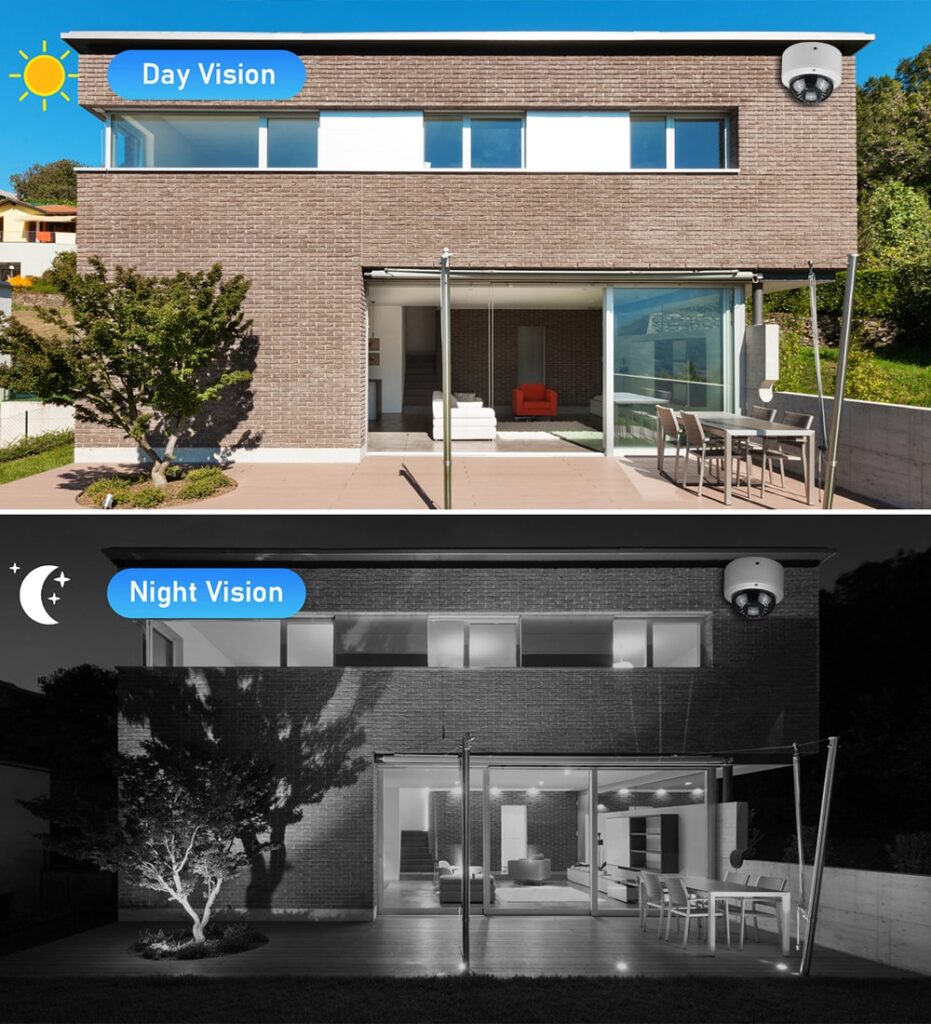
Yes—most systems use infrared light compensation or starlight technology to enable facial recognition in low-light conditions. However, accuracy is typically lower at night than in daylight.
Can someone use a photo to trick the system?
Modern systems use anti-spoofing liveness detection to block fake access attempts using printed photos, recorded videos, or masks. This is a standard feature on premium facial recognition door phones.
Is facial recognition secure?
Facial recognition can be secure if implemented correctly. Look for systems that:
- Process data on-device (edge computing) rather than in the cloud
- Use encryption for stored biometric data
- Include anti-spoofing liveness detection
- Allow users to opt out and use alternative access methods
What happens to my face data?
This depends on the system. Cloud-based systems may store data on third-party servers; on-device systems store data locally. Reputable systems offer automatic deletion of unrecognized faces after a set period (e.g., 30 days). Always check the privacy policy before purchasing.
Is facial recognition legal?
Yes—but it is heavily regulated. In the EU/UK, biometric data is “special category” data under GDPR, requiring explicit consent or another legal basis. The EU AI Act, effective from August 2026, imposes additional requirements. Always ensure compliance with local regulations.
Can residents opt out of facial recognition?
Yes—most systems offer multiple access methods (PIN, RFID card, mobile app, QR code) alongside facial recognition. Residents who prefer not to use facial recognition can use alternative methods.
How much does a facial recognition door phone cost?
Prices vary widely. Basic models start around $50–$259, while premium commercial-grade systems like the Fanvil i67 are priced higher. The cost depends on features, capacity, and build quality.
Conclusion
Is a video door phone with facial recognition worth the upgrade? The answer depends on your building.
For new construction, luxury properties, and large communities, the answer is yes. Facial recognition delivers hands-free access, personalized notifications, enhanced security with anti-spoofing, and scalability to thousands of users. It’s a premium amenity that attracts quality tenants and commands higher rents.
For budget-conscious projects, small buildings, or privacy-sensitive regions, the answer is consider with caution. The technology is mature and accurate, but compliance with GDPR, the EU AI Act, and state privacy laws requires careful attention.
What’s clear is the trend: Face recognition is becoming table-stakes in modern video intercoms. The AI video intercom market is growing at 12.5% CAGR and expected to reach $3.5 billion by 2033. Buildings that invest now will gain a competitive advantage; those that wait risk being left behind.
Ready to explore facial recognition for your building? Contact FARHD for a customized video door phone solution tailored to your property’s needs, budget, and compliance requirements.
This guide is brought to you by FARHD—your partner in smart video intercom solutions for multifamily properties worldwide.

About the Author: S & Y Internet Technology Inc.
S & Y Internet Technology Inc. is a professional installation and repair service provider based in Flushing, New York. Our expert team provides door-to-door installation and maintenance within a 100 km radius, ensuring quick response and high-quality results for every project — whether residential, commercial, or specialized.

Install & Repair Services
You May Also Interest
-
RFID vs QR Code vs Mobile App: Comparing Access Methods for Residential Buildings
Choosing the right access method for your apartment building or gated community is a decision that affects security, convenience, cost, and resident satisfaction. RFID cards, QR codes, and mobile apps each have distinct strengths and weaknesses. This guide compares them side by side—so you can make an informed choice for your next project. In modern…
-
Tuya vs Smart Life: Which App Is Better for Your Video Door Phone?
A practical comparison to help you choose the right app for your smart intercom system If you’ve recently purchased a FARHD video door phone, you’ve probably noticed that the product documentation mentions two apps: Tuya Smart and Smart Life. This immediately raises a common question: which one should you actually use? Are they different? Does…
-
Touch Screen vs Non-Touch Video Intercom Monitors: Which Is Better for Residents?
When specifying a video intercom system for an apartment building, villa, or residential community, one question often divides decision-makers: should the indoor monitor have a touch screen or physical buttons? Both options have passionate advocates. Both have real advantages. And both can be the wrong choice if they don’t match the needs of the residents…
-

How to Upgrade an Old Apartment Intercom to IP Without Rewiring: Step-by-Step
Upgrading an old apartment intercom to a modern IP system no longer requires tearing down walls, replacing every cable, or disrupting residents for weeks. With the right retrofit technology, you can deliver full IP functionality—video calling, mobile access, remote management—using the existing 2-wire cabling already inside your building. This step-by-step guide shows you how. Many…