IP Intercom vs Analog: Which System Delivers Better ROI for Multifamily Properties?
Share
Quick Navigation
- What Is an Analog Intercom System?
- What Is an IP Intercom System?
- Upfront Costs: Analog vs IP
- The Hidden Costs of Analog Systems
- The Revenue-Boosting Power of IP Systems
- ROI Comparison: 50-Unit Building Case Study
- Side-by-Side Comparison
- When to Choose Analog
- When to Choose IP
- Why FARHD Is a Trusted Partner for Both Solutions
- Frequently Asked Questions
When it comes to upgrading or installing an intercom system in a multifamily property, one of the first decisions property owners face is whether to go with an analog system or an IP system. Both have their advantages—but the question of which delivers better ROI requires looking beyond the upfront price tag.
An analog intercom uses multi-conductor wire—like a doorbell would use—to transmit audio and video between its stations. IP intercoms, on the other hand, allow audio, video, and door control to operate over a building’s network, enabling flexible call routing, integration with access control, and centralized management.
While analog systems may have lower upfront costs, IP intercoms typically offer stronger long-term value. This guide breaks down the real ROI of both systems—so you can make a data-driven decision for your property.
What Is an Analog Intercom System?
An analog intercom system is a traditional communication and entry system that relies on direct electrical wiring to transmit audio and video signals between devices. Most analog intercoms use copper wiring and operate through dedicated hardware installed throughout a building.
Common features of analog intercom systems include:
- Audio-only or limited video communication
- Wired door release functionality
- Basic directory systems
- Dedicated in-unit hardware (handsets)
- Closed-circuit communication
For decades, analog intercoms were the standard in multifamily and commercial properties because they provided a reliable way to verify visitors before granting access.
Cost per door: Analog hardware typically ranges from $120 to $180 per station, with dedicated cabling adding $50 to $150 per cable run.
What Is an IP Intercom System?
An IP intercom system is a network-based intercom that uses Internet Protocol (IP) technology to transmit audio, video, and access credentials over a local network or the internet. Unlike analog systems, IP intercoms connect to a property’s network infrastructure, allowing communication between hardware, mobile devices, cloud platforms, and management software.
Modern IP intercom systems typically include:
- Video calling capabilities
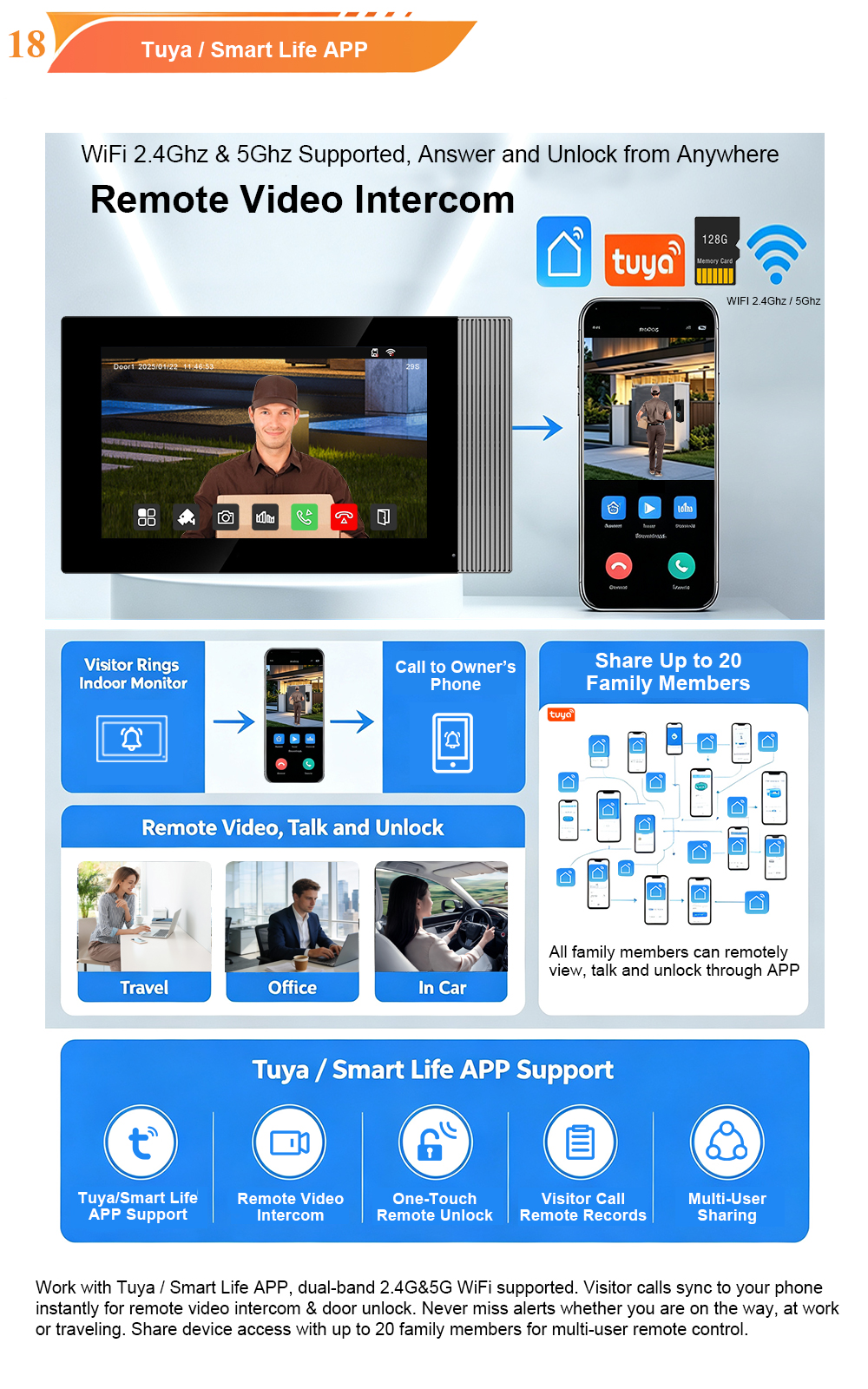
- Mobile app access
- Cloud-based management
- Remote door unlocking
- Integration with access control systems
- Visitor logs and audit trails
- Smart delivery and guest access tools
Instead of relying on wired apartment handsets, IP intercoms often route calls directly to residents’ smartphones. This creates a more flexible and convenient experience for both residents and property staff.
Cost per door: IP hardware typically ranges from $250 to $400 per station, with full commercial video intercom systems costing $1,500 to $5,000 per entry door.
Upfront Costs: Analog vs IP
On the surface, analog systems appear cheaper. Here’s a direct cost comparison:
| Cost Category | Analog System | IP System |
|---|---|---|
| Hardware per station | $120–$180 | $250–$400 |
| Cabling | $50–$150 per run (dedicated) | Minimal (uses existing network) |
| Per-door installed cost | $1,000–$3,000 | $2,500–$7,000 |
| Full building (multi-tenant) | $10,000–$30,000+ | $10,000–$50,000+ |
The upfront gap is real. Analog systems cost significantly less to purchase and install—especially for smaller buildings. But the upfront cost is only the beginning.
Key insight: As one industry analysis notes, “a cheap intercom system may fail within a few years, whereas a more expensive, higher-quality system can cost more upfront but will last longer, saving money in the long run”.
The Hidden Costs of Analog Systems
Analog systems come with a range of hidden costs that erode their apparent affordability.
1. Limited Scalability = Costly Expansions
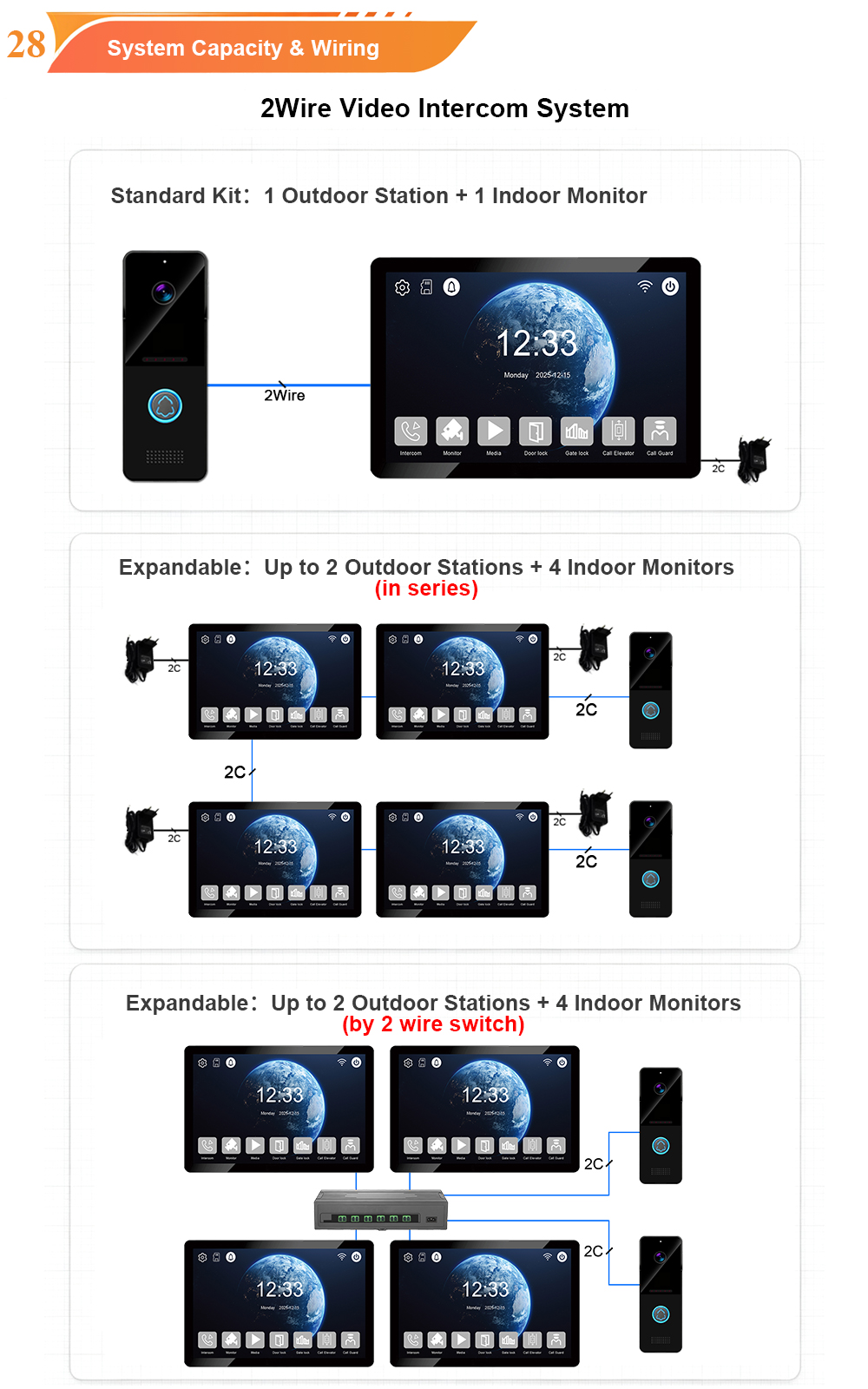
Analog systems can typically only secure up to four doors. When your building grows or you need to add new entry points, you’re looking at expensive new cabling runs and hardware upgrades.
IP systems, by contrast, can operate on much larger scales and are more easily expanded to include more stations.
2. No Mobile Access = Missed Deliveries and Frustrated Residents
Analog systems route calls to fixed handsets inside units. When a resident is not home, deliveries and guests are turned away. This leads to:
- Missed packages (and stolen packages left at doors)
- Frustrated residents
- More work for property staff
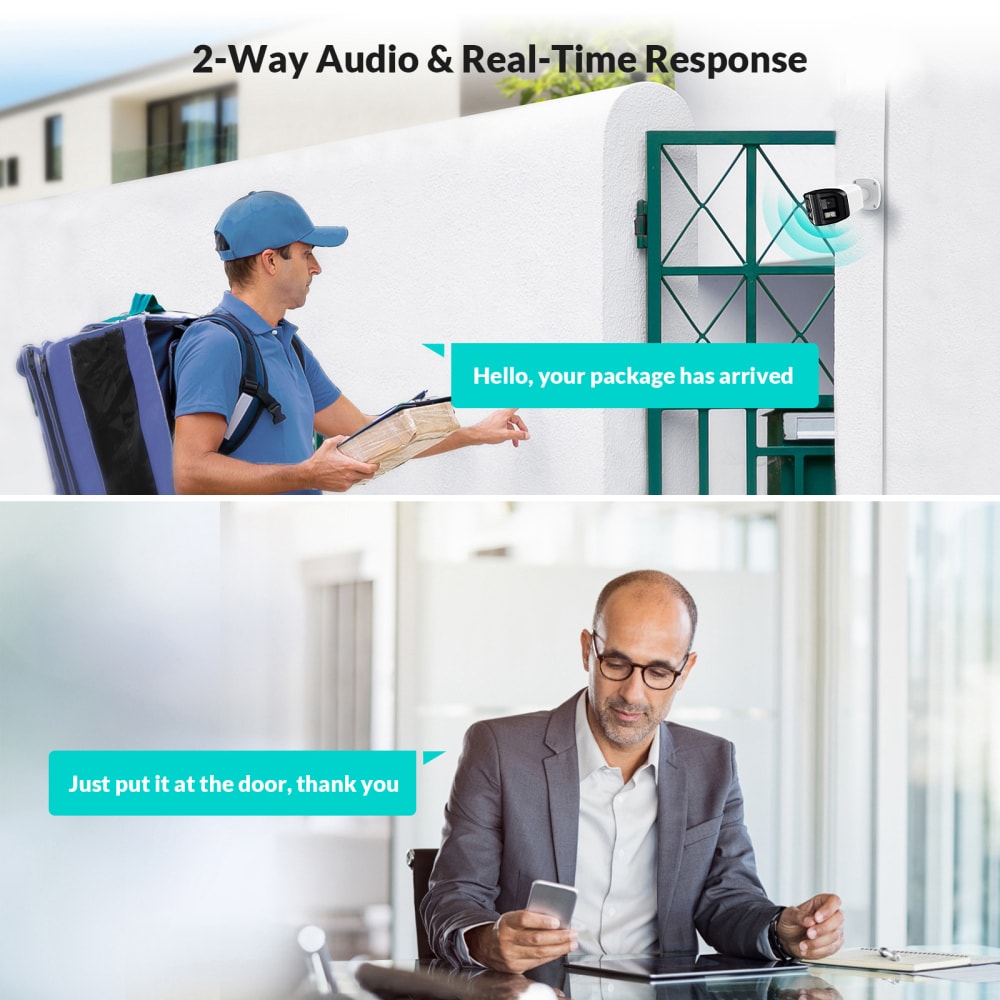
IP intercoms route to mobile apps, enabling door release from anywhere. This alone can significantly reduce package theft and improve resident satisfaction.
3. No Audit Trails = Security Blind Spots
Analog systems log nothing. When an incident occurs—a package goes missing, damage happens, or a dispute arises—property managers have no record of who entered the building and when.
IP intercoms timestamp every visitor call, every door release event, and every credential use—feeding an audit log that property managers can review after an incident.
4. No Integration = Disconnected Security
Analog intercoms cannot share credential events with access control systems. They operate in isolation, creating disconnected silos of security information.
IP intercoms forward entry events to the same platform managing fob readers and keypad entries—creating a unified access log.
5. Maintenance and Repair Costs
Legacy systems may appear functional, but they come with hidden costs: frequent malfunctions lead to service calls, limited access capabilities frustrate tenants, and staff must manually let in guests or troubleshoot on-site. Labor costs pile up quickly.
The bottom line: The hidden costs of analog systems—missed deliveries, security incidents, staff time, and lack of integration—can easily exceed the upfront savings within a few years.
The Revenue-Boosting Power of IP Systems
IP systems don’t just save money—they generate revenue.
1. Higher Rental Rates
65% of renters are willing to pay more for smart-home features, with 52% willing to pay over $20 more per month. IP intercoms with video, mobile access, and app integration are exactly the kind of smart amenities that command premium rents.
The impact: A 50-unit building with a $25/month rent premium generates **$15,000 in additional annual revenue**.
2. Higher Lease Renewal Rates
Properties with smart technologies report a 6 percentage point increase in lease renewal rates. In a 50-unit building, that means 3 fewer vacancies per year—saving thousands in turnover costs.
3. Reduced Security Staffing Costs
Video intercoms reduce the need for lobby guards and front-desk staff. Residents handle their own visitor management straight from their phones. Security staff can focus on real security risks rather than managing visitor access.
The impact: Annual security OpEx can be reduced by 30% with a modern video intercom system.
4. Lower Insurance Premiums
Properties with video intercoms typically see 25–30% decreases in insurance premiums due to reduced liability and fewer security incidents.
5. Reduced Package Theft
Properties with integrated video intercom systems report a 40% decrease in package theft. Fewer stolen packages means fewer resident complaints and less time spent on claims and disputes.
ROI Comparison: 50-Unit Building Case Study
Let’s put the numbers side by side for a typical 50-unit multifamily building.
| Metric | Analog System | IP System |
|---|---|---|
| Upfront Cost | $15,000–$25,000 | $20,000–$35,000 |
| Annual Savings/Earnings | — | — |
| – Rent premium ($25/unit/month) | $0 | +$15,000 |
| – Reduced staff costs (30%) | $0 | +$10,000 |
| – Insurance savings (25%) | $0 | +$5,000 |
| – Reduced turnover (6 pts) | $0 | +$8,000 |
| – Package theft reduction | $0 | +$3,000 |
| Total Annual Benefit | ~$0 | ~$41,000 |
| 5-Year Total Cost of Ownership | $25,000–$45,000+ | $20,000–$35,000 (net of benefits) |
The verdict: While IP systems cost $5,000–$10,000 more upfront, they deliver $40,000+ in annual benefits—making them significantly more cost-effective over the long term. The payback period for an IP system is typically 12–18 months.
Side-by-Side Comparison
When to Choose Analog
Choose analog if:
✅ You Have a Small Building
Analog systems are better on smaller scales—they’re equally efficient for communication and security in small buildings. For buildings with fewer than 8–10 units and only 1–2 entry points, analog can be a cost-effective choice.
✅ Your Budget Is Extremely Tight
If the upfront budget is the absolute priority and you cannot afford the higher initial cost of an IP system, analog may be your only option.
✅ Residents Don’t Expect Modern Amenities
If your building serves a demographic that doesn’t value or use smartphone-based access (e.g., elderly housing, affordable housing with tech-averse residents), analog may suffice.
✅ You Have Usable Existing Analog Wiring
If your building already has analog wiring in place and you want the simplest, cheapest replacement, a new analog system can reuse that infrastructure.
Warning: Analog systems are becoming obsolete. Many analog intercoms installed over the past two decades are approaching the end of their operational lifespan. They struggle to satisfy today’s expectations for convenience, flexibility, and security.
When to Choose IP
Choose IP if:
✅ You Have a Multifamily Building (10+ Units)
For multi-tenant buildings with high traffic flow, it’s often better to use IP systems to easily manage visitors. IP systems can scale to hundreds or thousands of units.
✅ You Want Mobile Access and Remote Management
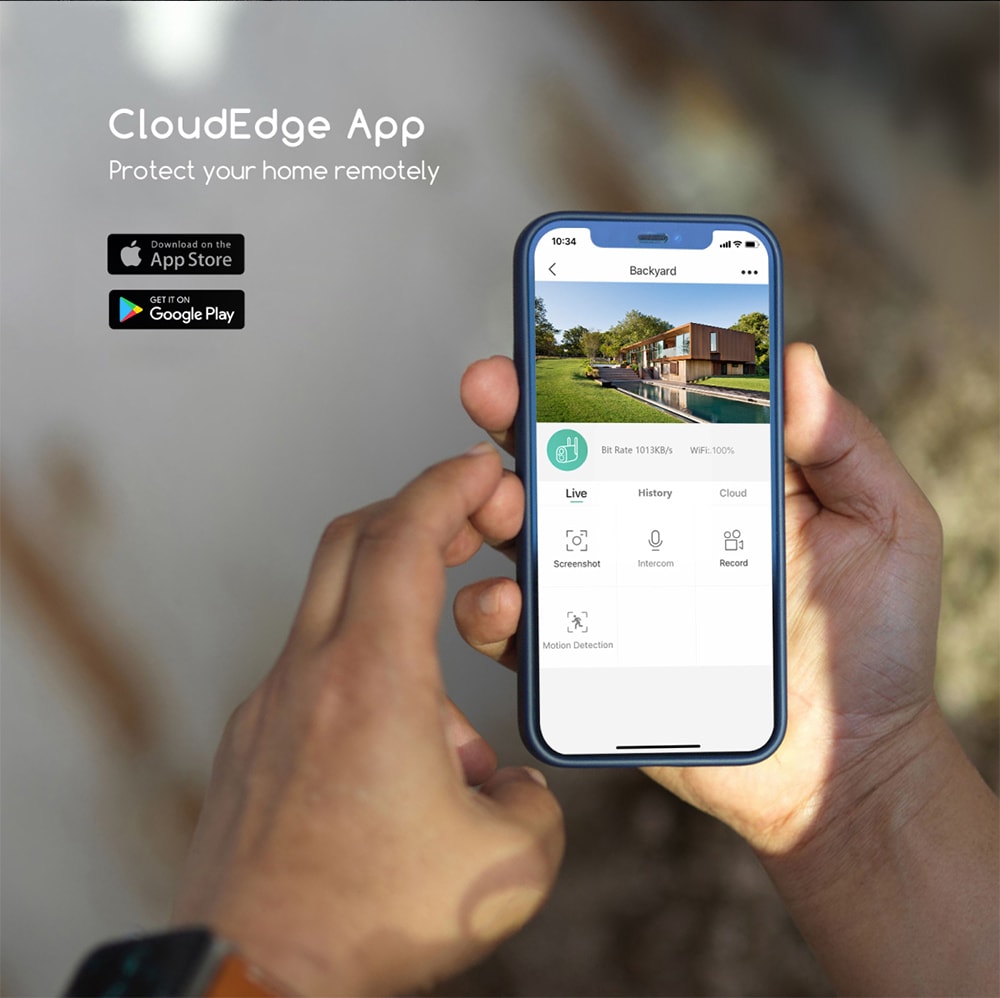
Consumer expectations have changed dramatically—people now expect to manage home security directly from their smartphones. IP intercoms allow users to receive visitor calls instantly, view live HD video, speak with visitors remotely, and unlock doors from anywhere.
✅ You Want to Attract and Retain Quality Tenants
If you have a new apartment building and your tenants want high-tech amenities, an IP intercom is the best option. Modern residents expect smartphone access, video calling, remote entry management, and delivery-friendly access features.
✅ You Want to Future-Proof Your Investment
IP systems are designed to evolve with technology. They receive software updates, support new features over time, and integrate with emerging smart building technologies. Analog systems may become increasingly difficult to maintain or upgrade over time.
✅ You Want Integration with Other Systems
Many apartment buildings choose to integrate their intercom system with other aspects of their security systems—access control, security cameras, video management systems. While analog systems have limited integration options, IP systems offer many more.
✅ You’re Building New or Major Renovation
Most new builds choose IP intercom systems. When you’re starting from scratch, there’s no reason to install legacy technology that will need replacing in a few years.
Why FARHD Is a Trusted Partner for Both Solutions
With over 28 years of industry experience, FARHD is a leading Chinese manufacturer of video door phones and intercom systems—offering both analog and IP solutions to meet the diverse needs of multifamily properties worldwide.
Full In-House R&D and Production: FARHD designs and manufactures everything from TFT LCD screens, driver boards, and camera modules to complete villa and apartment building intercom systems. This end-to-end control ensures quality and seamless integration at every stage.
Comprehensive Product Range:
- Wireless video doorbells
- 4-wire CVBS and AHD video doorbells
- 2-wire IP systems for villas and apartments
- IP-based systems for villas and apartments
- Audio intercom systems
This means FARHD can provide the right solution for any building situation—whether you need a cost-effective analog system for a small building or a full-scale IP installation for a large multifamily development.
Proven Track Record: FARHD has successfully completed over 10,000 large-scale building video intercom projects, including ultra-large communities with 1,000, 3,000, and even over 5,000 households. Supported by 28 direct sales branches across China, they have the expertise to handle projects of any scale.
Global Reach: FARHD provides SKD semi-knocked-down solutions to assembly factories across Europe, the Middle East, South America, Southeast Asia, the United States, Russia, India, Iran, Turkey, South Korea, and Italy—effectively reducing both production and tariff costs for partners.
International Certifications: Products hold CE, FCC, RoHS, IP65 water resistance, and EMC certifications.
OEM/ODM Services: Comprehensive customization including software and hardware development, UI design, functional module adjustments, and tailored packaging solutions.
After-Sales Support: A dedicated technical support group is established upon product delivery to assist with programming, device installation, and wiring connections throughout the process.
Scale: FARHD serves over 1,000 enterprises worldwide with an annual sales volume of 300,000 units.
Frequently Asked Questions
Which system has better video quality?
IP systems offer dramatically better video quality—from grainy 0.3-megapixel images of older analog systems to crisp 2, 5, or even 8-megapixel resolution. This transforms intercoms into effective video surveillance endpoints, capturing clear facial details and clothing descriptions at entry points.
Is analog cheaper than IP?
Upfront, yes. Analog hardware costs $120–$180 per station vs. $250–$400 for IP. But IP systems deliver significant long-term savings through reduced staffing costs, insurance savings, rent premiums, and fewer security incidents.
Can I upgrade from analog to IP without rewiring?
Yes. Many buildings choose to retrofit analog or IP intercoms onto existing wiring. IP-over-2-wire converters allow you to reuse existing cabling while delivering IP features like HD video and mobile app access.
How many doors can an analog system support?
Analog systems can typically only secure up to four doors. IP systems can support hundreds or thousands of doors across multiple buildings.
Do IP systems require internet to work?
IP systems typically require internet for remote access and cloud management. However, many can operate locally without internet for basic calling and door release functions. Some offer dual connectivity with failover options.
What’s the payback period for an IP system?
Smart amenity packages commonly have a three-year payback period. However, many properties see positive returns within 12–18 months through reduced staffing costs, eliminated rekeying, lower insurance premiums, and rent premiums.
Do residents actually use mobile app features?
Yes. 83% of multifamily residents in units with smart devices report they are satisfied or highly satisfied with their building. Seamless, secure entry methods like mobile credentials are rated as the top tech priority by residents. And 65% of renters are willing to pay more for smart-home features.
Conclusion
The ROI question isn’t about which system costs less upfront—it’s about which system delivers more value over time.
| Your Situation | Recommended System |
|---|---|
| Small building (<10 units, tight budget) | Analog – cost-effective for basic needs |
| Multifamily building (10+ units) | IP – scalable, modern, higher ROI |
| New construction | IP – future-proof from the start |
| Retrofit with usable wiring | IP retrofit – modern features, lower disruption |
| Luxury or market-rate property | IP – attracts quality tenants, commands premium rents |
| Tech-averse resident base | Analog – simpler, no smartphone required |
The data is clear: While analog systems have lower upfront costs, IP intercoms typically offer stronger long-term value. The shift from analog to IP-based systems represents a fundamental change in capability and functionality. Today’s IP intercoms offer features—HD video, mobile access, cloud management, audit trails, and integration—that analog systems simply cannot match.
The global video intercom devices market is projected to reach $26.67 billion in 2026, growing at a CAGR of 12.51%. The industry is rapidly moving from analog wiring toward IP-based, cloud-managed, and mobile-first systems. Buildings that invest in IP systems now gain a competitive advantage; those that stick with analog risk being left behind.
Ready to calculate the ROI for your building? Contact FARHD for a customized intercom solution tailored to your property’s size, needs, and budget.
This guide is brought to you by FARHD—your partner in smart video intercom solutions for multifamily properties worldwide.

About the Author: S & Y Internet Technology Inc.
S & Y Internet Technology Inc. is a professional installation and repair service provider based in Flushing, New York. Our expert team provides door-to-door installation and maintenance within a 100 km radius, ensuring quick response and high-quality results for every project — whether residential, commercial, or specialized.

Install & Repair Services
You May Also Interest
-
RFID vs QR Code vs Mobile App: Comparing Access Methods for Residential Buildings
Choosing the right access method for your apartment building or gated community is a decision that affects security, convenience, cost, and resident satisfaction. RFID cards, QR codes, and mobile apps each have distinct strengths and weaknesses. This guide compares them side by side—so you can make an informed choice for your next project. In modern…
-
Tuya vs Smart Life: Which App Is Better for Your Video Door Phone?
A practical comparison to help you choose the right app for your smart intercom system If you’ve recently purchased a FARHD video door phone, you’ve probably noticed that the product documentation mentions two apps: Tuya Smart and Smart Life. This immediately raises a common question: which one should you actually use? Are they different? Does…
-
Touch Screen vs Non-Touch Video Intercom Monitors: Which Is Better for Residents?
When specifying a video intercom system for an apartment building, villa, or residential community, one question often divides decision-makers: should the indoor monitor have a touch screen or physical buttons? Both options have passionate advocates. Both have real advantages. And both can be the wrong choice if they don’t match the needs of the residents…
-
How to Upgrade an Old Apartment Intercom to IP Without Rewiring: Step-by-Step
Upgrading an old apartment intercom to a modern IP system no longer requires tearing down walls, replacing every cable, or disrupting residents for weeks. With the right retrofit technology, you can deliver full IP functionality—video calling, mobile access, remote management—using the existing 2-wire cabling already inside your building. This step-by-step guide shows you how. Many…