AI-Powered Video Intercoms: How Facial Recognition and Smart Detection Are Changing Access Control
Share
Quick Navigation
- What Makes a Video Intercom “AI-Powered”?
- Facial Recognition: The New Standard in Access Control
- Smart Detection: Beyond Just Seeing Who’s at the Door
- AI-Powered Audio: Crystal-Clear Communication in Any Environment
- How AI Is Transforming Multifamily Building Security
- The Market Is Moving Fast
- Privacy and Compliance Considerations
- Frequently Asked Questions
What Makes a Video Intercom “AI-Powered”?
A traditional video intercom is a passive device—it shows you who’s at the door, but it doesn’t understand what it’s seeing. An AI-powered video intercom is different: it actively analyzes what its cameras see and hear, identifies people, packages, and events, and takes intelligent action.
AI-enabled video intercoms now make up over 60% of new installations. The technology has evolved from simple motion detection to sophisticated computer vision that can distinguish between a person, a pet, a package, and a vehicle.
What AI brings to video intercoms:
| Capability | What It Does |
|---|---|
| Facial recognition | Identifies specific individuals and grants access automatically |
| Package detection | Alerts residents when deliveries arrive or are moved |
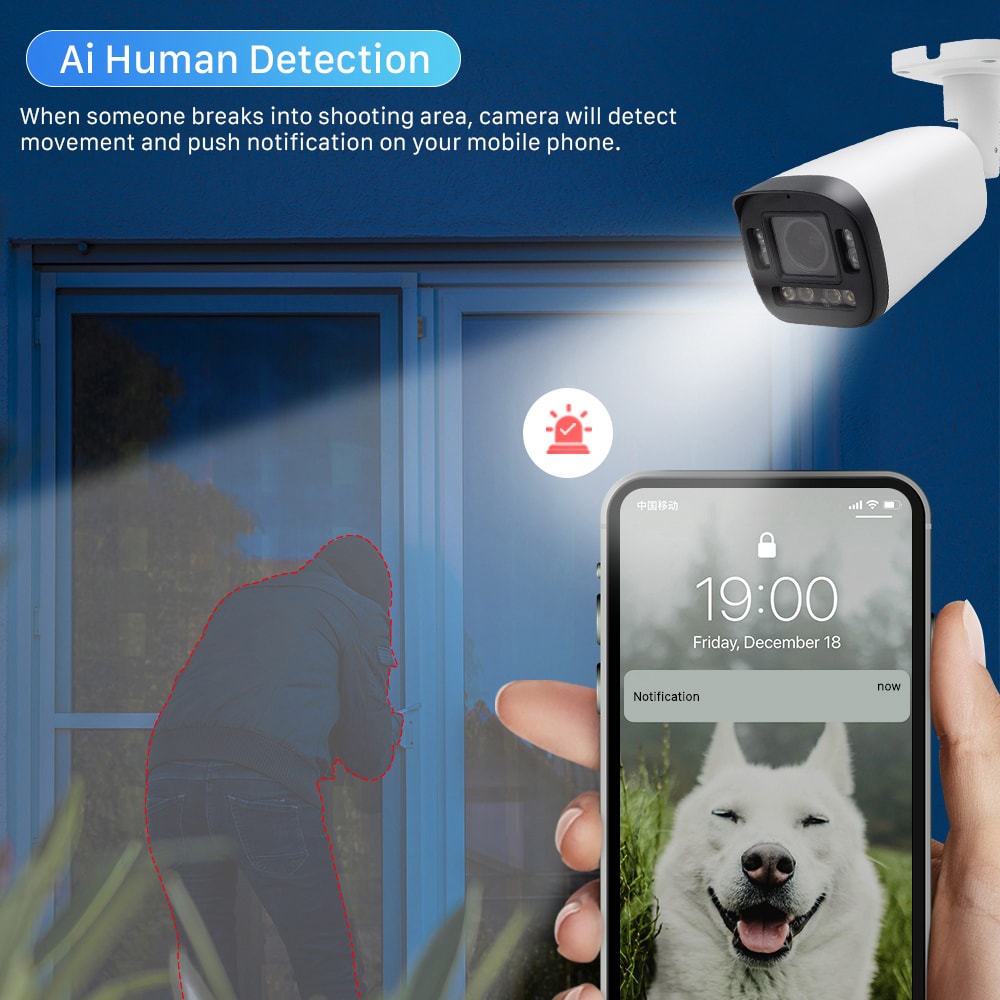
| Person/vehicle/pet detection | Reduces false alerts by distinguishing what triggered the camera |
| Tailgating detection | Identifies unauthorized individuals following someone through a door |
| Abnormal sound detection | Detects screams, glass breaking, and other unusual sounds |
| Fall detection | Identifies when someone has fallen and alerts immediately |
The global AI video intercom systems market was estimated at $1.2 billion in 2024** and is expected to reach **$3.5 billion by 2033, growing at a CAGR of 12.5%. This rapid growth reflects a fundamental shift in how buildings manage access and security.
Facial Recognition: The New Standard in Access Control
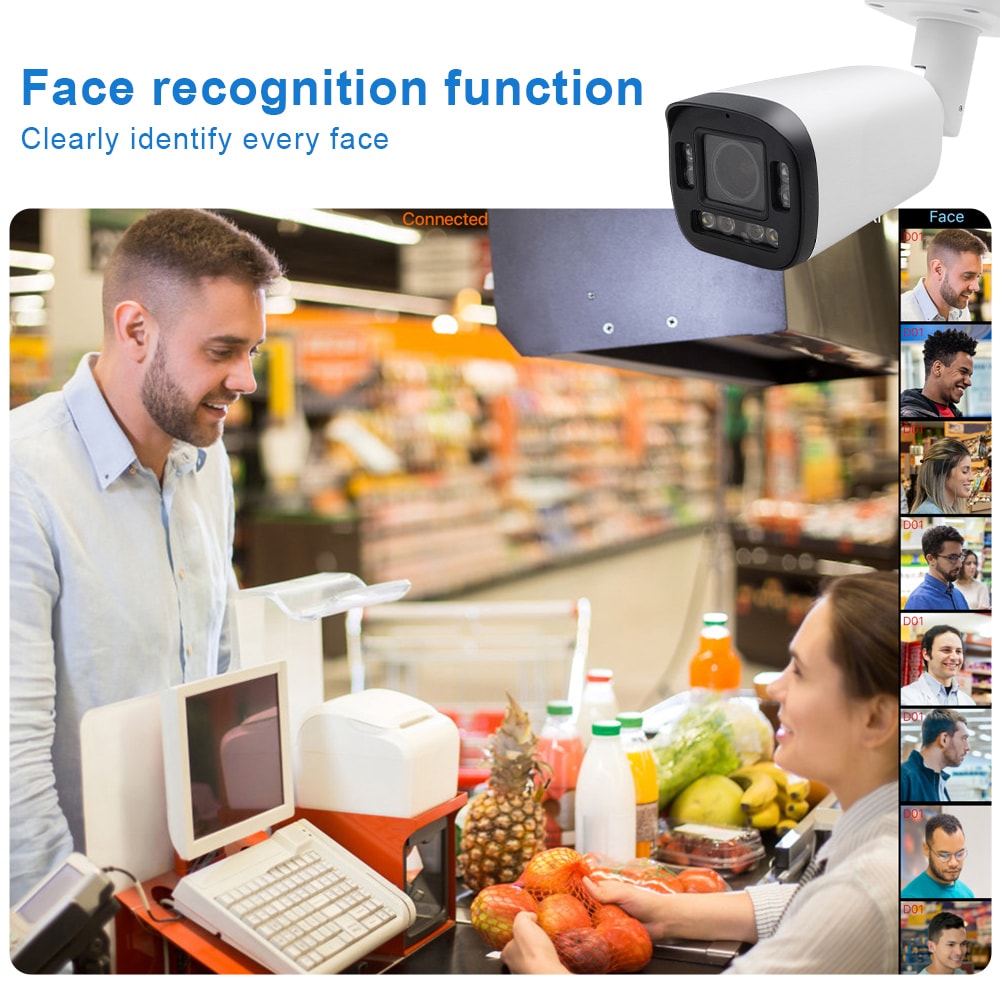
Facial recognition has moved from a futuristic concept to a practical, everyday tool for building access. Today’s systems deliver recognition speeds of 0.2 seconds with accuracy rates exceeding 99%.
How Facial Recognition Works in Modern Intercoms
- Enrollment – Residents and authorized users register their faces in the system
- Detection – The door station’s camera detects a face at the entrance
- Matching – AI algorithms compare the detected face against the enrolled database
- Action – If matched, the system grants access automatically
Real-World Implementations
Hikvision’s TalkVu Video Intercom series, launched in March 2026, embodies the vision “Talk Clear, View Smart”. The system combines 4 MP imaging with AI-powered audio optimization and multi-modal access control supporting facial recognition, access cards, PIN codes, Bluetooth, QR codes, and mobile app authorization. The cutting-edge AI-ISP technology leverages AI for better noise reduction, color accuracy, and dynamic range, resulting in clearer, more detailed visuals—especially in low-light environments.
Suprema showcased AI-powered facial authentication at ISC West 2026 with its BioStation 3 Max, which delivers AI-based facial authentication and supports multiple authentication methods including fingerprint recognition, mobile access, QR, RFID, and PIN.
Alcatraz AI Rock X combines four solutions in one device: facial authentication, AI-powered tailgating detection, video at the door (ONVIF), and SIP intercom—reducing infrastructure costs while elevating security.
Panasonic’s SIP-based video intercom system, launched in 2026 for India’s residential market, offers multiple access options including face recognition, QR codes, and remote unlocking for seamless entry management across large residential complexes.
Anti-Spoofing: Stopping Fake Access Attempts
Modern facial recognition systems include face anti-spoofing technology that detects and blocks fake access attempts using printed photos, recorded videos, or masks. All user data is encrypted for effective information protection, and optional privacy protection modes further secure personal information.
Smart Detection: Beyond Just Seeing Who’s at the Door
AI-powered video intercoms don’t just show you who’s at the door—they understand what’s happening at the door.
Package Detection: Solving the Delivery Theft Crisis
Package theft is one of the biggest frustrations in multifamily buildings. AI-powered package detection addresses this directly.
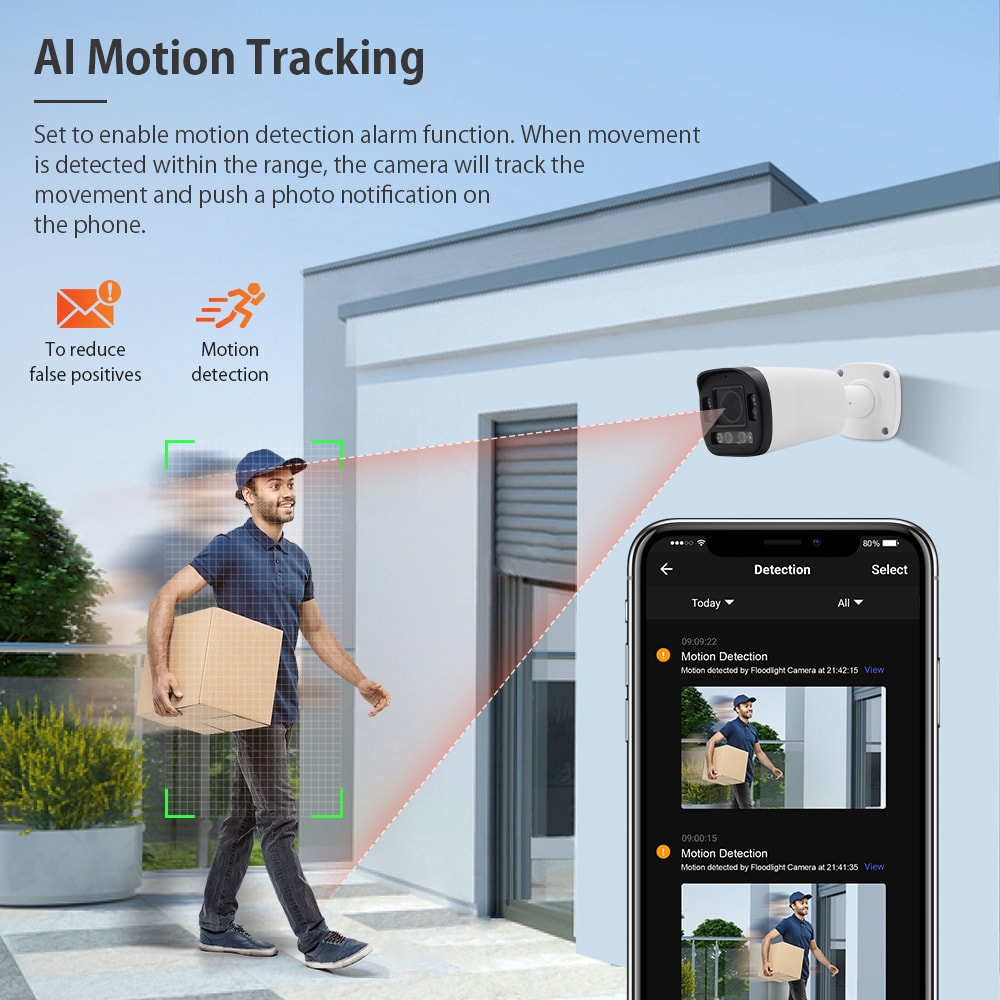
Akuvox X910, winner of the Red Dot Award 2026, features the world’s first AI-powered package detection smart intercom. The system automatically detects packages as they arrive or get moved, sending real-time notifications to indoor monitors or the SmartPlus App. It features a 5-megapixel main camera delivering sharp 2K video across a 150° horizontal field, with a secondary 2-megapixel camera below to minimize blind spots.
Google Nest Doorbell (2nd gen) offers free basic AI detection for packages, people, and animals—a capability that was once a premium feature.
Abode’s Smart Detect uses AI-powered video analysis to identify what triggered your camera and reports it specifically: a person, a pet, or a package.
Tailgating Detection: Stopping Unauthorized Entry
Tailgating—when an unauthorized person follows an authorized individual through a secure door—is one of the most common security breaches in buildings. AI is now addressing this head-on.
NVIDIA’s Public Safety AI Blueprint supports tailgating detection, identifying unauthorized individuals following authorized personnel through secure access points.
Brivo’s integration with Cobalt AI evaluates all available video and access control data before taking action on tailgating events—moving beyond simple alarms to intelligent response.
Suprema’s AI-based video analysis can detect various hazardous situations in real time, including falls, intrusions, loitering, tailgating, and organic matter.
Smart Event Detection
Modern AI intercoms detect far more than just people and packages:
- Fall detection – Identifies when someone has fallen and sends instant alerts
- Line crossing detection – Alerts when someone crosses a designated boundary
- Region intrusion detection – Notifies when someone enters a restricted area
- Abnormal sound detection – Identifies screaming, glass breaking, and unusual sounds with immediate notifications
These layered features transform an intercom from a simple communication device into an intelligent, proactive protection system.
AI-Powered Audio: Crystal-Clear Communication in Any Environment
AI isn’t just improving what intercoms see—it’s revolutionizing what they hear.
Intelligent Noise Reduction
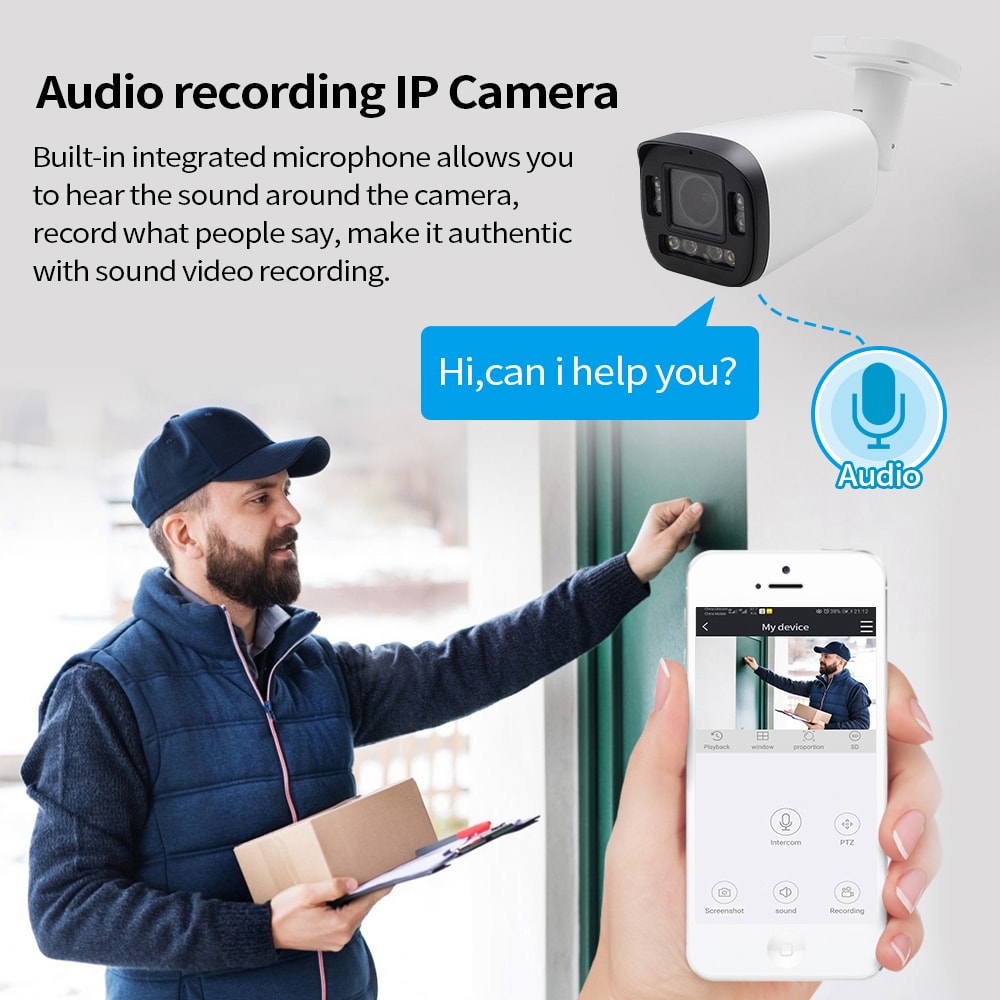
Hikvision’s TalkVu series features a dual-microphone array with intelligent noise reduction that eliminates environmental interference from conversations. Directional sound pickup technology focuses on human voices while filtering out unwanted sounds from wind, traffic, and background disturbance. High-output speakers ensure crystal-clear conversations whether greeting visitors or coordinating with delivery personnel during adverse weather.
Akuvox X910 brings flawless two-way communication with a dual-MIC setup and advanced noise cancellation, enabling crystal-clear and distortion-free audio even in noisy environments or poor network conditions.
ZKTeco’s Accsoon CoMo II combines dual microphone ENC with AI-powered noise reduction for voice clarity.
What This Means for Residents
- Clearer conversations – No more shouting through wind or traffic noise
- Better visitor verification – Hear visitors clearly even in noisy environments
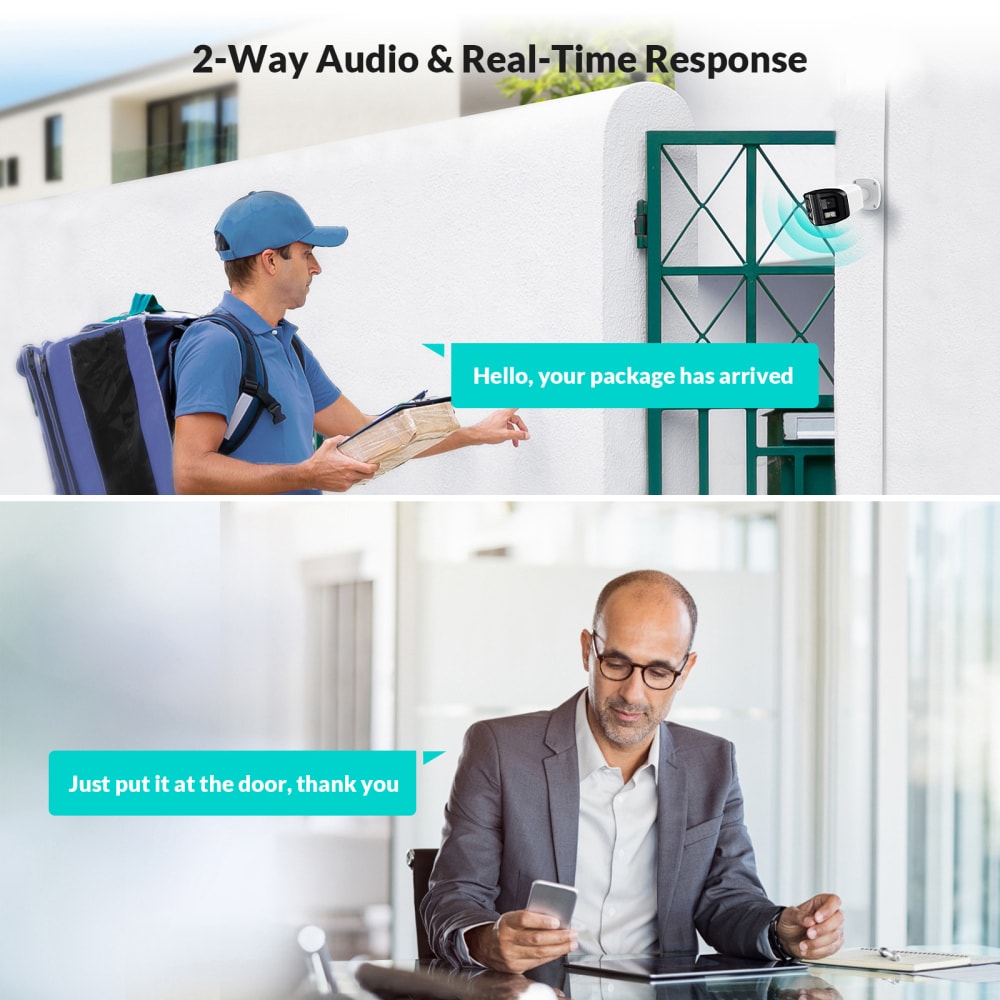
- Improved delivery coordination – Communicate effectively with couriers in any weather
How AI Is Transforming Multifamily Building Security
From Reactive to Proactive Protection
Traditional security systems react after an incident occurs. AI-powered intercoms shift this paradigm entirely.
Hikvision’s TalkVu “evolves security from reactive to proactive protection”. Instead of just recording events, the system actively monitors for threats, detects anomalies, and alerts in real time.
Verkada’s AI-powered deterrence addresses a critical gap in traditional security systems, which only react after a break-in has occurred. Leveraging large vision, audio, and language models, it analyzes footage to detect unauthorized behavior like loitering.
Unified Access Management
Modern AI intercoms don’t operate in isolation—they integrate with broader building systems.
TalkVu’s indoor station serves as a command center, seamlessly connecting video security, alarms, intercoms, elevator controls, lighting, and climate—all accessible with simple touches. The Hik-Connect app enables instant mode switching between ‘At Home’ and ‘Away’ for total control.
Swiftlane Intercom is a cloud-based smart video intercom system that utilizes AI-powered facial recognition and mobile credentials to manage secure building access. It eliminates the need for traditional keys, fobs, and buzz-in processes, offering a frictionless entry experience.
Benefits for Property Managers
- Reduced operational costs – Cloud-native platform with remote management
- Mobile-first access – Little physical hardware required
- AI-driven security – Automated threat detection and response
- Improved resident experience – Frictionless, touchless access
- Consolidated systems – One platform for access, video, and visitor management
The Market Is Moving Fast
The numbers tell a compelling story about the adoption of AI-powered video intercoms:
| Market Metric | Value |
|---|---|
| AI video intercom systems market (2024) | $1.2 billion |
| AI video intercom systems market (2033 forecast) | $3.5 billion |
| CAGR (2026-2033) | 12.5% |
| Video intercom devices market (2025) | $37.82 billion |
| Video intercom devices market (2026 forecast) | $43.84 billion |
| CAGR | 15.9% |
| AI-enabled video intercoms (new installations) | 60%+ |
| IP intercom market (2024 to 2033) | $2.5B → $7.6B (10.8% CAGR) |
Key trends driving adoption:
- Facial recognition accuracy now exceeds 99% with 0.2-second recognition speeds
- Cloud-native architectures are replacing proprietary systems
- Integration with IoT and 5G is accelerating innovation
- North America leads in adoption due to high smart home technology penetration
The bottom line: As one industry analysis notes, “The video intercom market is ~$3B in 2026 and growing 10–16% per year. Cloud-native and SIP/WebRTC architectures are eating proprietary systems—interoperability is now the buying criterion”.
Privacy and Compliance Considerations
While AI-powered intercoms offer significant security benefits, they also raise important privacy considerations.
Key Regulations
| Regulation | Key Requirement |
|---|---|
| GDPR (EU/UK) | Biometric data is “special category” – requires explicit consent or another legal basis |
| EU AI Act | Enforcement from August 2026 – AI systems processing biometric data face strict requirements |
| State privacy laws | California, Texas, and others have specific biometric data laws |
Best Practices
- Process data on-device – Edge computing minimizes data transmission and storage risks
- Implement data encryption – All user data should be encrypted
- Provide opt-out options – Residents should have alternatives (PIN, card, app)
- Use privacy protection modes – Systems like Hikvision’s offer optional privacy protection modes
- Enable anti-spoofing – Protects against unauthorized use of photos or videos
The bottom line: Many privacy experts recommend keeping facial recognition features opt-in rather than mandatory. This approach balances security benefits with privacy protection.
Frequently Asked Questions
How accurate is facial recognition on video intercoms?
Modern systems achieve recognition speeds of 0.2 seconds with accuracy rates exceeding 99%. This accuracy holds even in low-light or zero-light environments thanks to dual-lens technology.
What is anti-spoofing and why does it matter?
Anti-spoofing technology detects and blocks fake access attempts using printed photos, recorded videos, or masks. This prevents unauthorized individuals from tricking the system.
Can AI intercoms detect packages?
Yes. Systems like the Akuvox X910 automatically detect packages as they arrive or get moved, sending real-time notifications to indoor monitors or mobile apps.
What’s the difference between motion detection and AI detection?
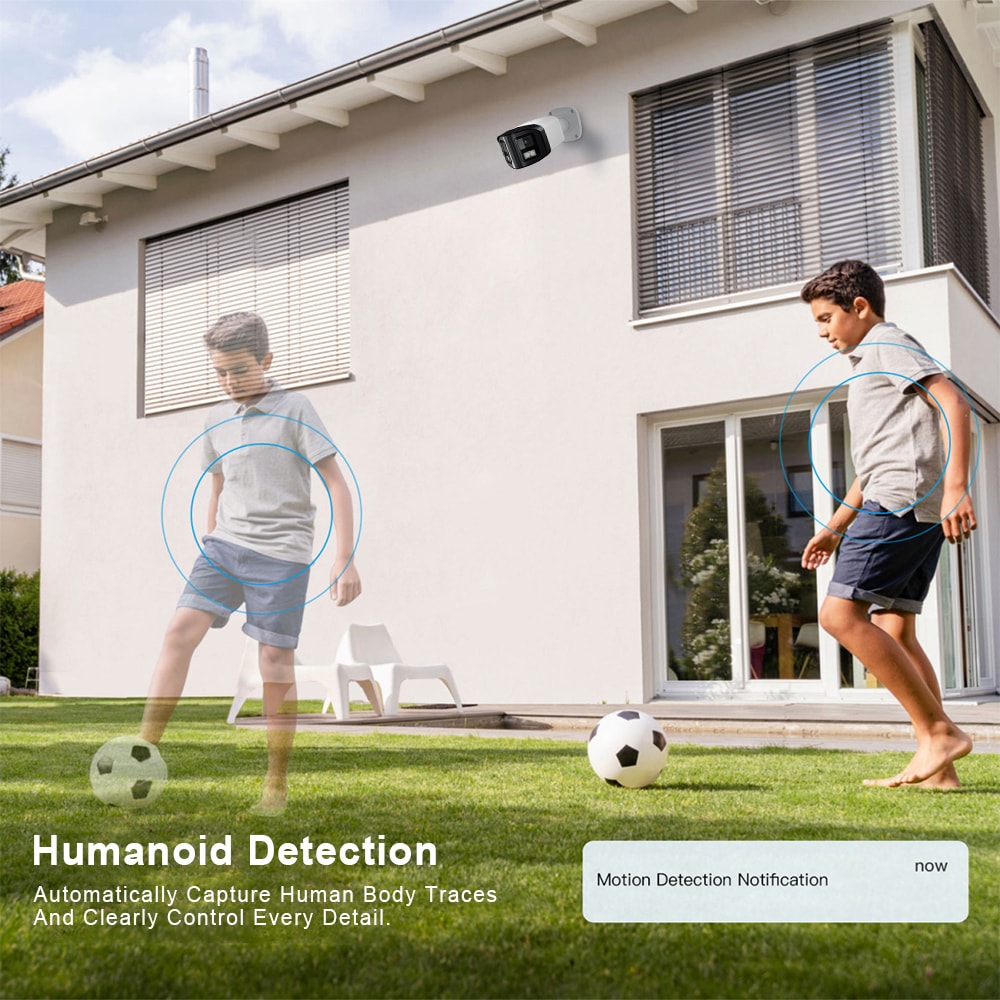
Traditional motion detection triggers on any movement—including passing cars, shadows, and animals. AI detection distinguishes between people, packages, pets, and vehicles, significantly reducing false alerts.
Do AI intercoms work at night?
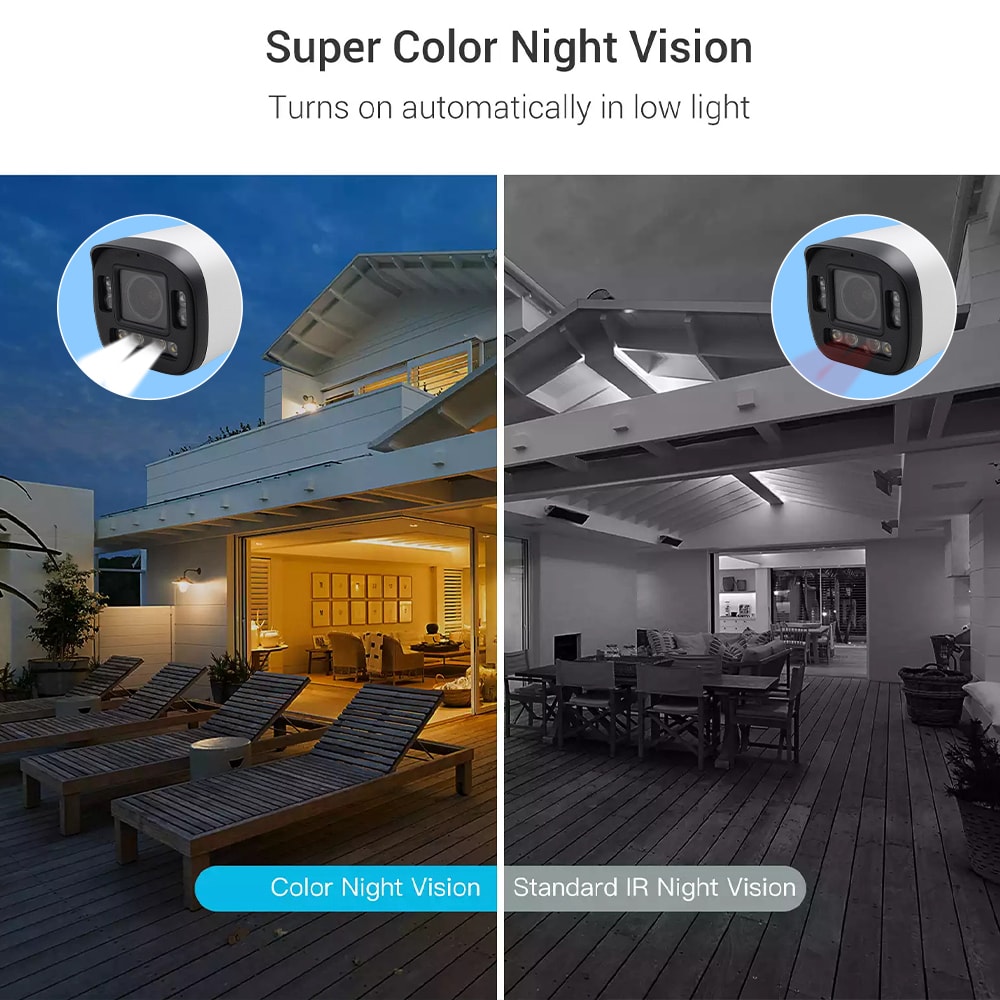
Yes. Modern systems use AI-ISP technology that leverages AI for better noise reduction, color accuracy, and dynamic range, resulting in clearer visuals even in low-light environments.
Is facial recognition secure?
Yes, when properly implemented. Systems feature face anti-spoofing technology, data encryption, and optional privacy protection modes. However, compliance with local regulations is essential.
What happens to my facial recognition data?
This depends on the system. On-device systems store data locally; cloud systems may store data on secure servers. Reputable systems offer data encryption and privacy protection modes.
How much does an AI-powered video intercom cost?
Costs vary widely based on features, capacity, and building size. Entry-level AI intercoms start around $500–$1,000 per door station, while enterprise-grade systems with full AI capabilities can exceed $3,000–$5,000 per entry point.
Conclusion
AI-powered video intercoms are fundamentally changing how buildings manage access and security.
What was once a simple doorbell has evolved into an intelligent security platform that can:
- Recognize faces with 99%+ accuracy in 0.2 seconds
- Detect packages and notify residents instantly
- Identify tailgating and prevent unauthorized entry
- Filter out noise for crystal-clear communication
- Detect falls, intrusions, and abnormal sounds in real time
- Integrate with access control, elevators, lighting, and climate systems
The market is moving fast. AI-enabled video intercoms now make up over 60% of new installations. The AI video intercom systems market is projected to grow from $1.2 billion in 2024 to $3.5 billion by 2033 at a 12.5% CAGR.
For multifamily buildings, the benefits are clear:
- Enhanced security – Proactive threat detection, not just reactive recording
- Improved resident experience – Frictionless, touchless access
- Reduced operational costs – Consolidated systems, fewer false alerts
- Increased property value – Modern amenities that attract quality tenants
The question isn’t whether to adopt AI-powered video intercoms—it’s when. Buildings that invest now will gain a competitive advantage; those that wait risk being left behind.
Ready to explore AI-powered video intercoms for your building? Consider your property’s size, security needs, and privacy requirements—and look for systems with facial recognition, smart detection, and AI-enhanced audio.
This guide is brought to you by insights from the latest developments in AI-powered video intercom technology—helping property owners and managers make informed decisions for their buildings.

About the Author: S & Y Internet Technology Inc.
S & Y Internet Technology Inc. is a professional installation and repair service provider based in Flushing, New York. Our expert team provides door-to-door installation and maintenance within a 100 km radius, ensuring quick response and high-quality results for every project — whether residential, commercial, or specialized.

Install & Repair Services
You May Also Interest
-
RFID vs QR Code vs Mobile App: Comparing Access Methods for Residential Buildings
Choosing the right access method for your apartment building or gated community is a decision that affects security, convenience, cost, and resident satisfaction. RFID cards, QR codes, and mobile apps each have distinct strengths and weaknesses. This guide compares them side by side—so you can make an informed choice for your next project. In modern…
-
Tuya vs Smart Life: Which App Is Better for Your Video Door Phone?
A practical comparison to help you choose the right app for your smart intercom system If you’ve recently purchased a FARHD video door phone, you’ve probably noticed that the product documentation mentions two apps: Tuya Smart and Smart Life. This immediately raises a common question: which one should you actually use? Are they different? Does…
-
Touch Screen vs Non-Touch Video Intercom Monitors: Which Is Better for Residents?
When specifying a video intercom system for an apartment building, villa, or residential community, one question often divides decision-makers: should the indoor monitor have a touch screen or physical buttons? Both options have passionate advocates. Both have real advantages. And both can be the wrong choice if they don’t match the needs of the residents…
-
How to Upgrade an Old Apartment Intercom to IP Without Rewiring: Step-by-Step
Upgrading an old apartment intercom to a modern IP system no longer requires tearing down walls, replacing every cable, or disrupting residents for weeks. With the right retrofit technology, you can deliver full IP functionality—video calling, mobile access, remote management—using the existing 2-wire cabling already inside your building. This step-by-step guide shows you how. Many…