How Does an IP Video Intercom System Work? Complete Guide for Smart Buildings and Villas
Share
From analog buzzers to smart security: a complete guide to understanding IP video intercom systems and why they’re transforming building access.
The video intercom devices market is undergoing a remarkable transformation. Valued at $37.82 billion in 2025, it is projected to reach $43.84 billion in 2026 at a compound annual growth rate of 15.9%, and by 2032, the market is expected to reach $77.6 billion. This explosive growth is driven by a fundamental shift: video intercoms are moving from standalone door stations to connected security platforms that combine IP video, two-way audio, mobile access, and electronic door release.
But what exactly is an IP video intercom system, and how does it work? Whether you’re a homeowner, property developer, or system integrator, understanding this technology is essential for making informed decisions about building security.
What Is an IP Video Intercom System?
An IP video intercom is an intercom system that works over a network. Instead of relying on dedicated wiring between devices—as analog systems do—an IP video intercom uses Internet Protocol (IP) to transmit audio, video, and control signals over a local network or the internet.
In an IP video intercom system, the entry panel, indoor monitors, concierge station, mobile app, access modules, and other devices can all operate within the same network environment. That does not necessarily mean the system depends on the public internet. In many cases, it works primarily inside the property’s local network, while internet access is an extra layer for remote features.
The key distinction: An IP video intercom should be understood not as “an intercom with an app,” but as a network-based system. This architectural difference is what enables remote access, centralized management, and seamless integration with other building systems.
How Does an IP Video Intercom Differ from an Analog System?
Analog and IP video intercoms may appear to do the same thing from the outside: show the visitor, let you speak with them, and open the entrance. But inside, there are two completely different approaches to system design.
Analog Video Intercoms are built around a simpler connection scheme. The structure of the system is fixed in advance, device roles are predetermined, and it works well where the site itself is relatively straightforward, such as a flat in a block or a private house. Analog systems transmit audio and video signals through continuous electrical waves, without digital conversion. They rely on fixed in-building wiring and hardware.
IP Video Intercoms, by contrast, are built on network architecture. The entry panel, indoor monitors, concierge or security post, software, and other elements operate as devices within one network. Because of that, the system is usually more flexible to develop and easier to integrate with other solutions.
| Feature | Analog Intercom | IP Video Intercom |
|---|---|---|
| Transmission | Dedicated wiring | IP network (LAN/Internet) |
| Remote access | ❌ Limited or none | ✅ Yes, via mobile app |
| Video quality | Lower resolution | HD (1080P) |
| Scalability | Difficult to expand | Easy to add devices |
| Integration | Limited | SIP, ONVIF, access control |
| Centralized management | ❌ No | ✅ Yes |
| Event logs | ❌ No | ✅ Yes |
While analog systems may have lower upfront costs, IP intercoms typically offer stronger long-term value. As the site becomes more complex—with several entrances, multiple internal devices, centralized management, remote access, access control integration, or event logging—IP intercom architecture becomes much easier to work with.
Core Components of an IP Video Intercom System
A typical IP video intercom system consists of several interconnected components:
1. Entry Panel (Outdoor Station)
The entry panel is installed at the building entrance. This is the device through which a visitor calls a resident, a member of staff, or security. Depending on the model, it may include:
- 1080P 2MP HD camera – for clear video capture
- 115°–130° wide-angle lens – eliminates blind spots
- Infrared night vision – ensures visibility in low light
- Microphone and speaker – for two-way audio communication
- Call button or touchscreen – for visitor interaction
- Card reader, keypad, or NFC module – for access control
- IP65 weatherproof housing – for outdoor durability
FARHD’s entry panels are designed to operate reliably in extreme conditions, with temperature ranges from -40°C to +70°C and IP65 weatherproof ratings.
2. Indoor Monitor
The indoor monitor is installed inside the flat, house, or office. It lets the user answer the call, see the visitor, speak with them, and release the door, gate, or barrier. Modern indoor monitors feature:
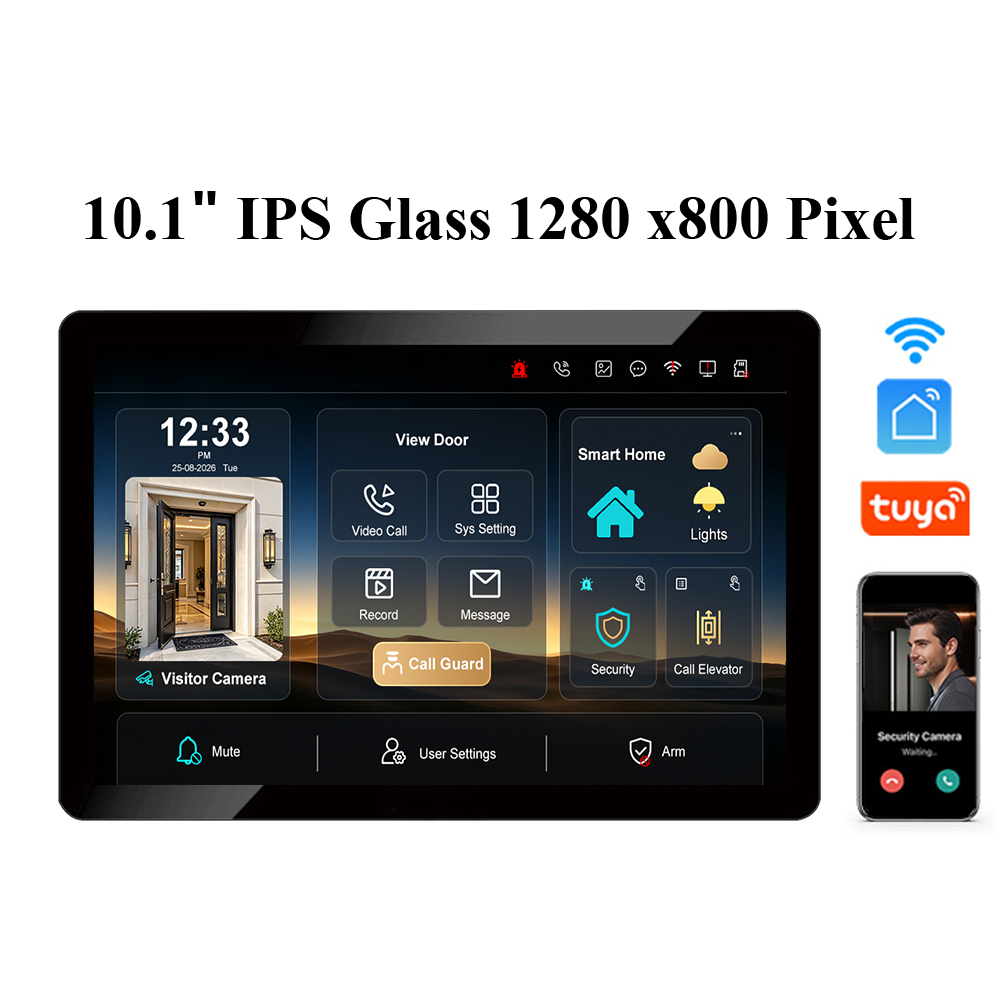
- IPS touchscreens (7″, 8″, or 10″)
- High-resolution displays (1024×600 or 1280×800)
- Full-duplex two-way audio with echo cancellation
- Unlock buttons for door and gate control
- Linux operating system for stability and security
FARHD’s indoor monitors support multiple functions including video calling, live viewing, remote unlocking, and room-to-room calling. Some models also support up to 20 ONVIF IP cameras for expanded surveillance coverage.
3. Network Infrastructure
The network ties the devices together. This may be the network of a house, an office, a residential development, or another type of site. Key network elements include:
- CAT5/6 Ethernet cabling – for reliable wired connections
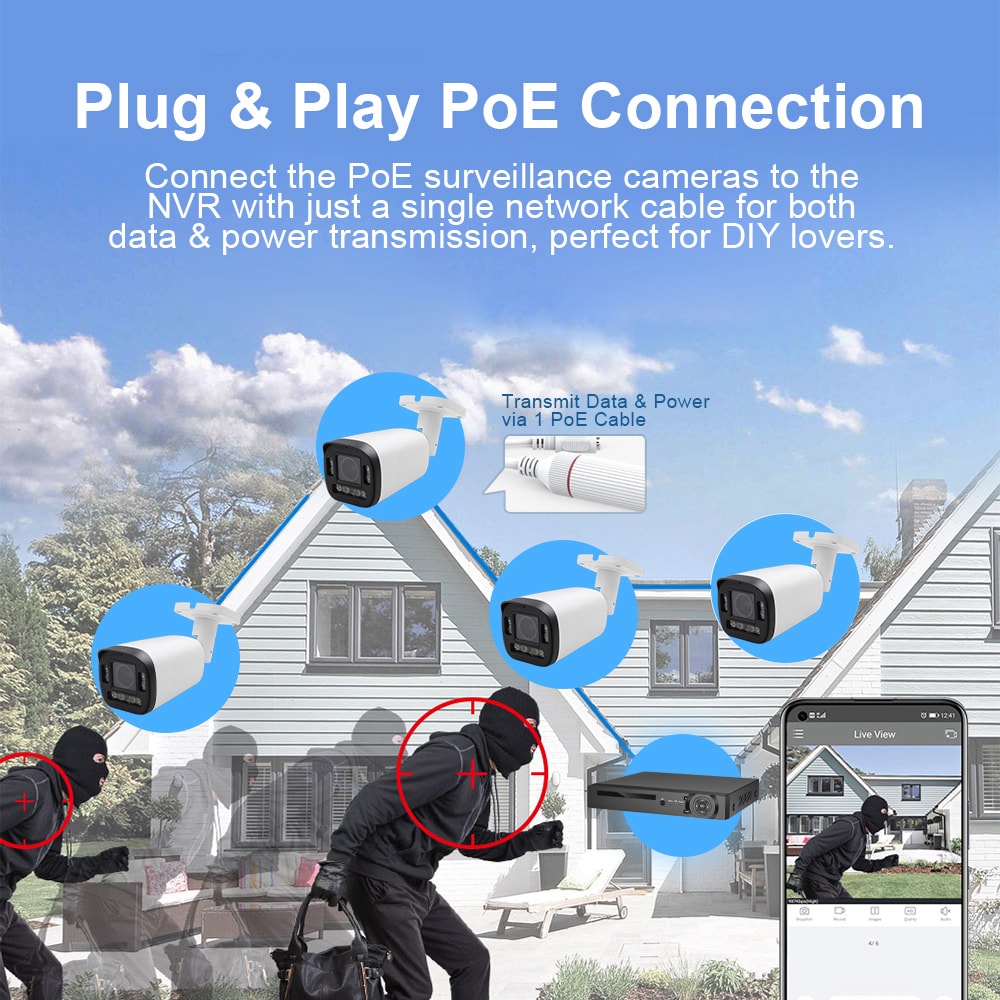
- PoE (Power over Ethernet) – provides power and data through a single cable
- WiFi connectivity – for wireless indoor monitors and app access
- Router/switch – for network communication between devices
PoE support simplifies installation significantly, as it provides both power and network connectivity through a single cable.
4. Mobile App
An IP video intercom system typically includes a mobile app that allows residents to:
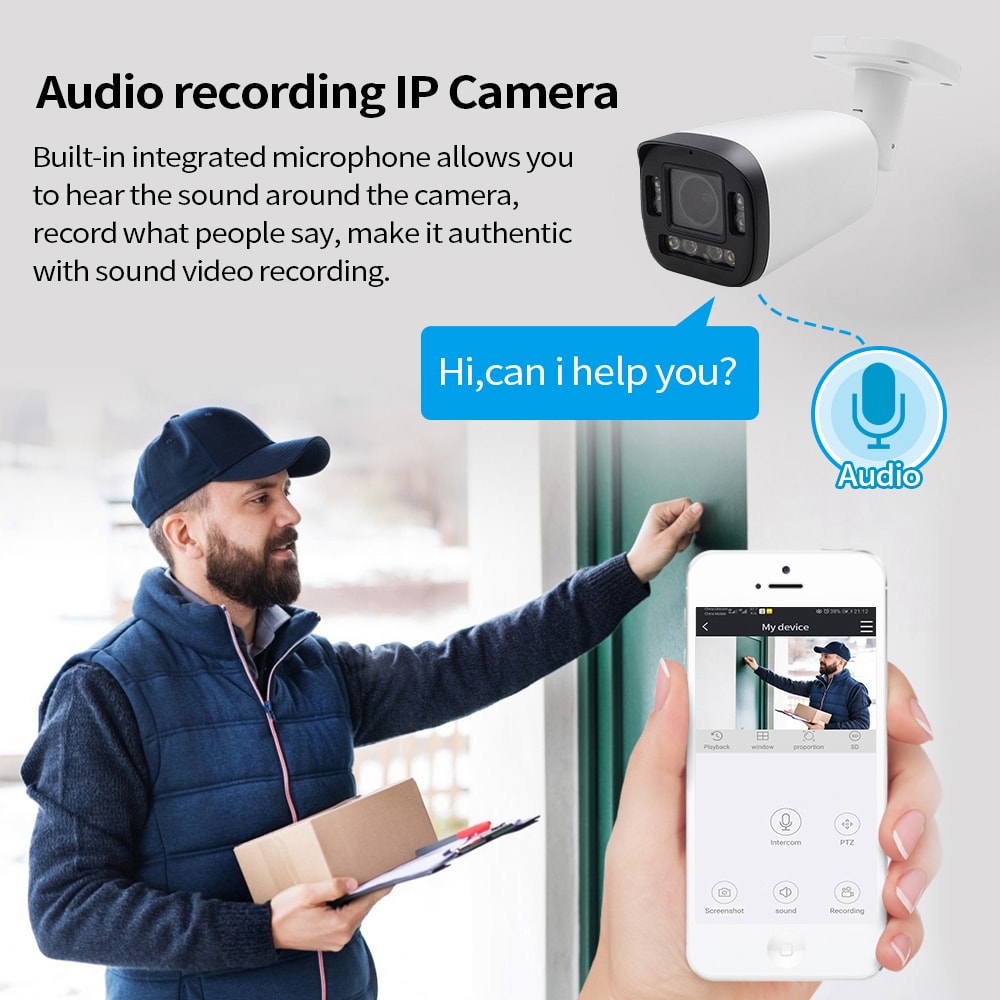
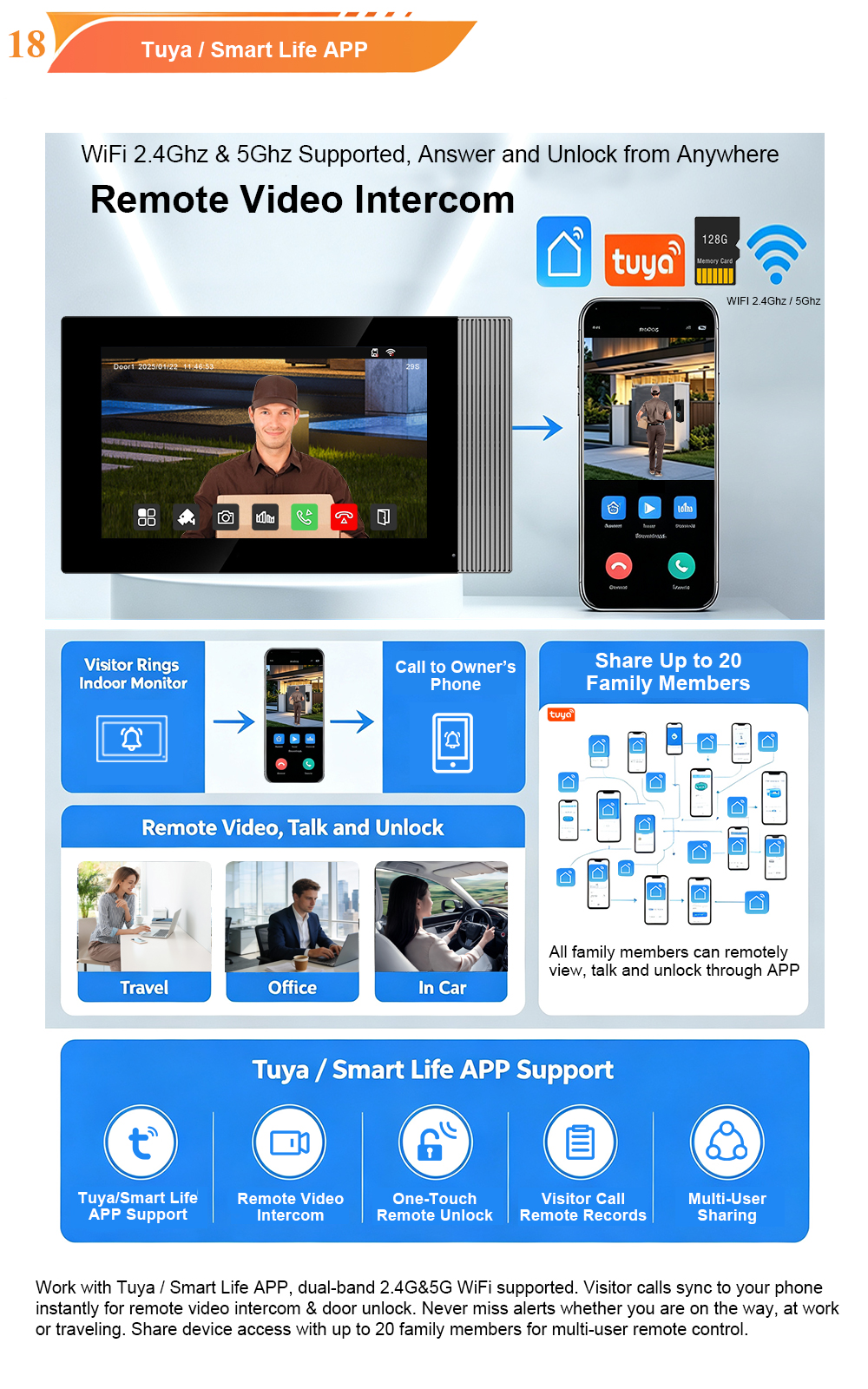
- Answer calls from the door station on their smartphone
- View live video from the outdoor camera
- Unlock doors remotely with a single tap
- Receive motion alerts when someone approaches
- Review call history and visitor logs
FARHD’s systems integrate with the Tuya/Smart Life app, providing remote access from anywhere in the world.
5. Management Software (Optional)
For larger installations, management software enables:
- Centralized device configuration
- Resident and access management
- Event logging and audit trails
- Integration with property management systems
How an IP Video Intercom System Works: Step by Step
An IP video intercom system replaces the old “buzz someone in and hope for the best” approach with a two-way audio and video connection between a visitor at the door and someone inside the building or on their phone. Here’s how it works:
Step 1: Visitor Calls
A visitor arrives at the building entrance and presses the call button on the entry panel. Depending on the system configuration, they may:
- Enter a room number on the keypad
- Select a resident from a touchscreen directory
- Scan a QR code for a scheduled visit
FARHD’s IP systems support up to 9,999 apartments with 1- to 4-digit room numbers, making them suitable for buildings of any size.
Step 2: Call Routing
When the visitor presses the call button, the entry panel sends a signal over the IP network to the corresponding indoor monitor or mobile app. The call is routed based on the room number entered.
- If the resident is at home, the indoor monitor rings and displays the live video feed
- If the resident is away, the call can be forwarded to their smartphone app
- For multi-tenant buildings, calls can be routed to the correct apartment automatically
Step 3: Resident Receives the Call
The resident receives a live video feed along with a two-way audio channel—they can see exactly who’s there before deciding to unlock the door remotely. The indoor monitor or mobile app displays:
- Live HD video from the entry panel camera
- Two-way audio for natural conversation
- Caller information (if available)
Advanced systems also support multiple indoor monitors ringing simultaneously, allowing residents to answer from any room in the house.
Step 4: Communication and Verification
Using the two-way audio, the resident can speak with the visitor, verify their identity, and determine whether to grant access. The full-duplex audio with echo cancellation ensures clear, natural conversations—just like a phone call.
Step 5: Remote Unlock
If the resident decides to grant access, they simply tap the unlock button on their indoor monitor or mobile app. The system sends an unlock signal over the IP network to the entry panel, which releases the door lock.
FARHD’s systems support dual unlock relays, allowing independent control of main doors and secondary gates. They are compatible with electric control locks, magnetic locks, motor locks, and electric strike locks.
Step 6: Door Opens
The door lock releases, and the visitor enters. The system automatically logs the event, creating an audit trail for security purposes.
Key Protocols That Make IP Intercoms Work
IP video intercoms rely on several standard protocols to ensure interoperability and functionality:
SIP (Session Initiation Protocol)
SIP is a standard protocol for initiating, maintaining, and terminating real-time sessions that include voice, video, and messaging applications. In IP intercoms, SIP enables:
- Integration with VoIP phone systems
- Calling to mobile phones and IP desk phones
- Interoperability between different manufacturers’ devices
FARHD’s IP systems support SIP integration, allowing seamless communication with third-party systems.
ONVIF (Open Network Video Interface Forum)
ONVIF is a global standard for IP-based security products. It ensures that IP cameras and video management systems from different manufacturers can work together. In IP intercoms, ONVIF enables:
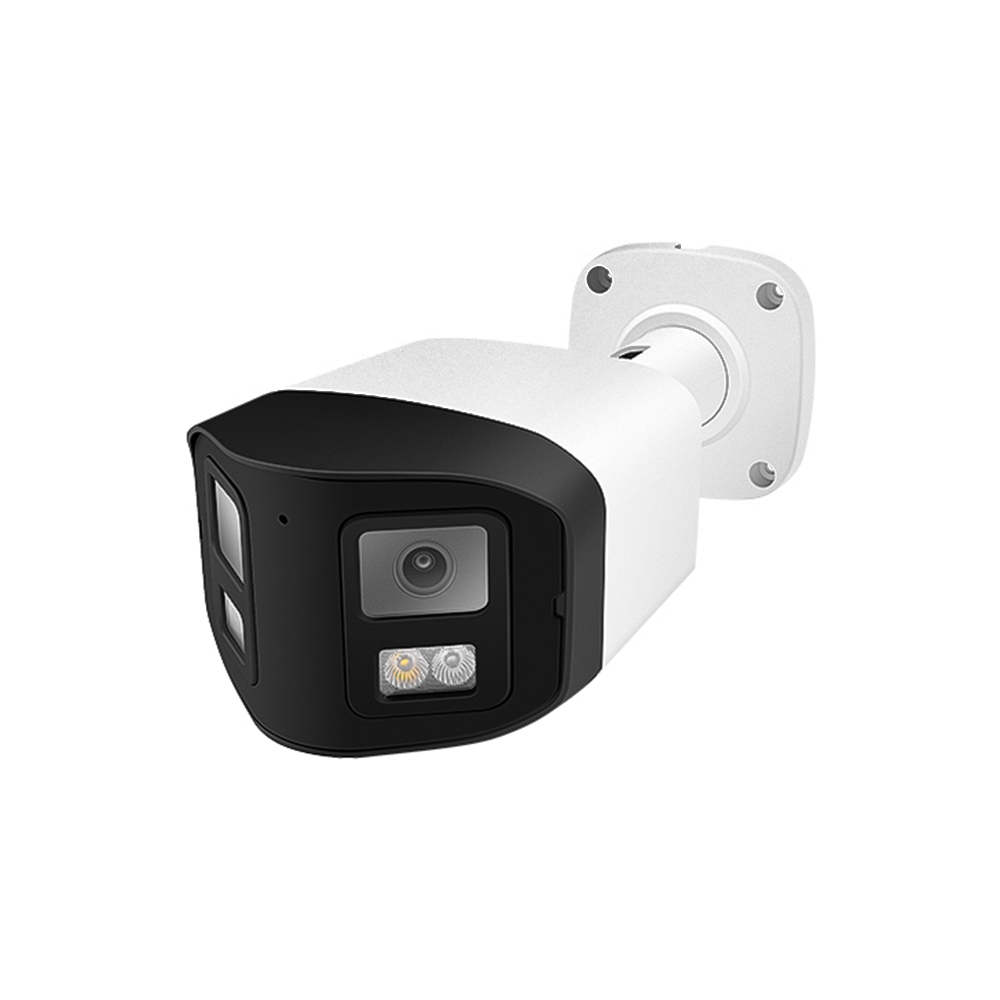
- Connection of additional IP cameras for expanded surveillance
- Integration with existing security systems
- Standardized video streaming
FARHD’s indoor monitors support ONVIF protocol, allowing connection of up to 20 IP cameras for comprehensive property monitoring.
TCP/IP (Transmission Control Protocol/Internet Protocol)
TCP/IP is the foundational protocol suite for the internet and most local networks. It ensures reliable data transmission between all system components.
Advanced Features of Modern IP Intercom Systems
Today’s IP video intercoms go well beyond basic audio and video communication:
Face Recognition
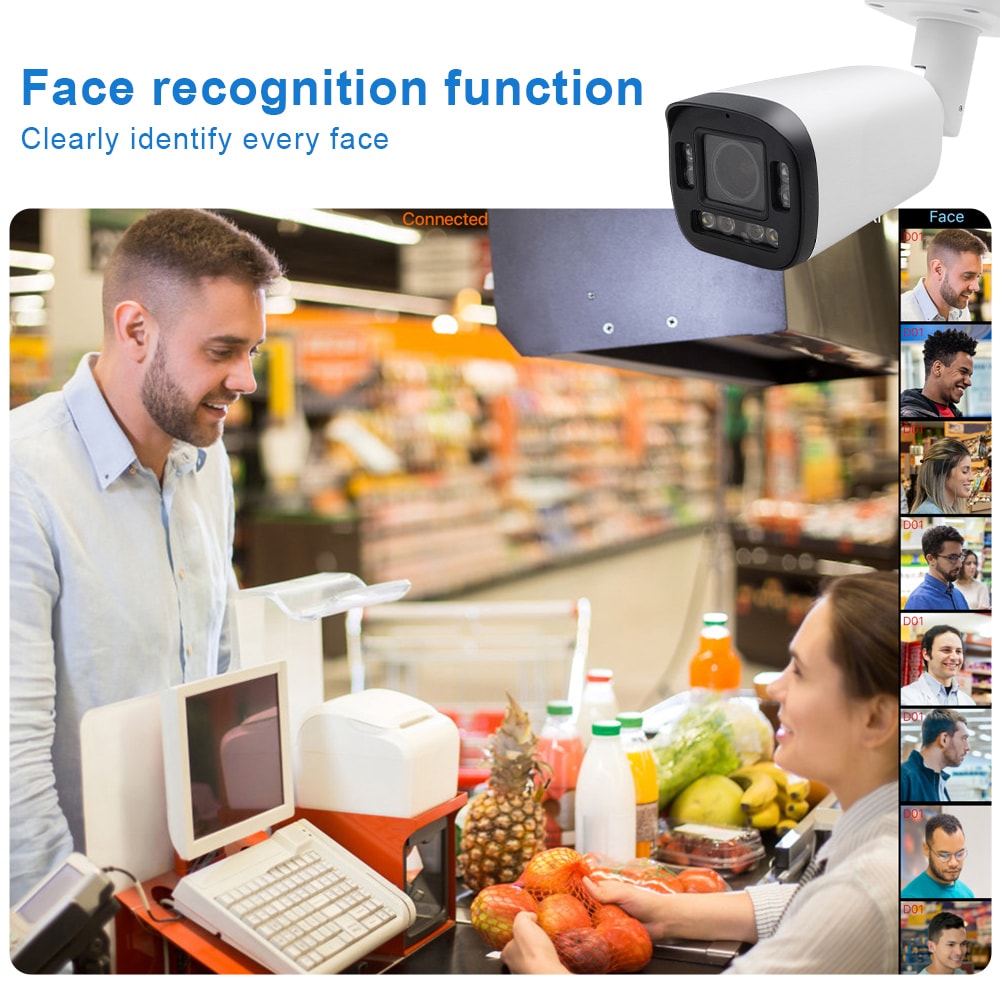
Advanced IP systems support face recognition for up to 40,000 users, enabling hands-free, keyless entry. Residents simply walk up to the door and the system recognizes them automatically.
Elevator Control Integration
For high-rise buildings, IP intercoms can integrate with elevator control systems. After successful authentication, the system automatically calls the elevator to the resident’s floor.
Motion Detection
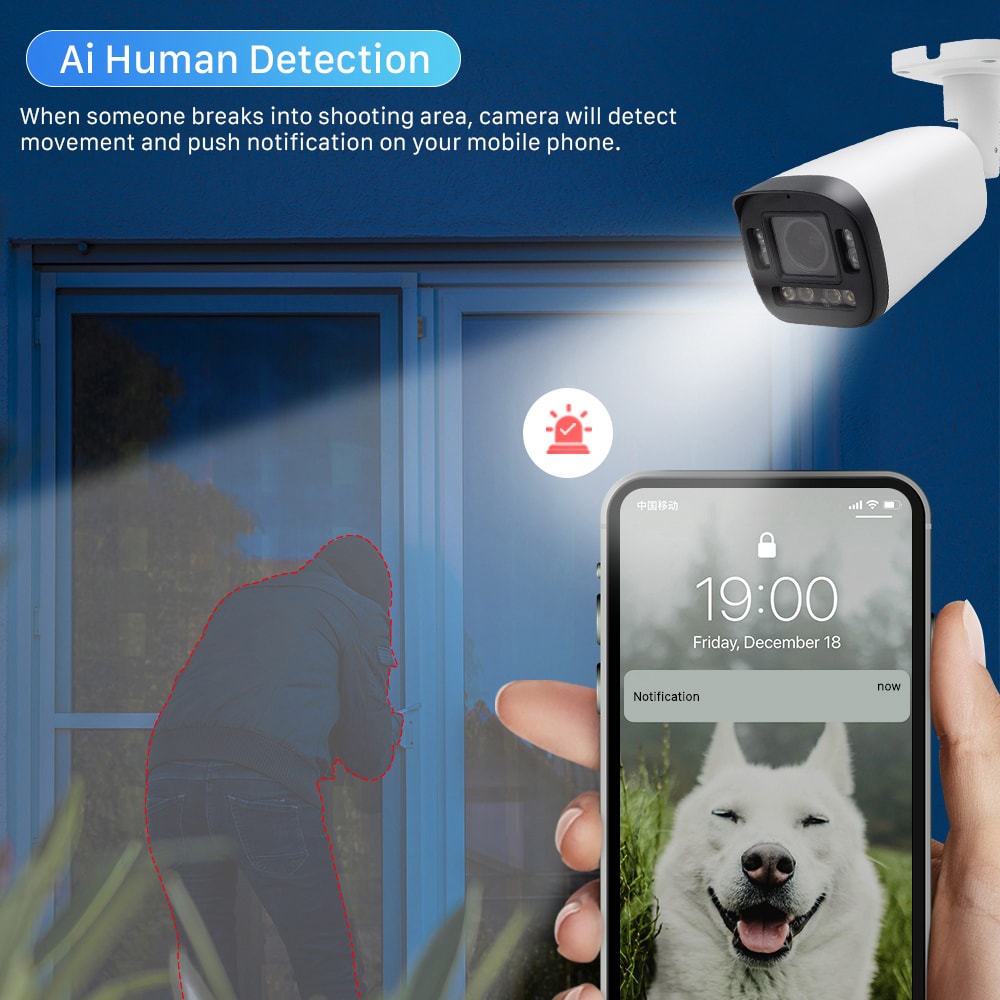
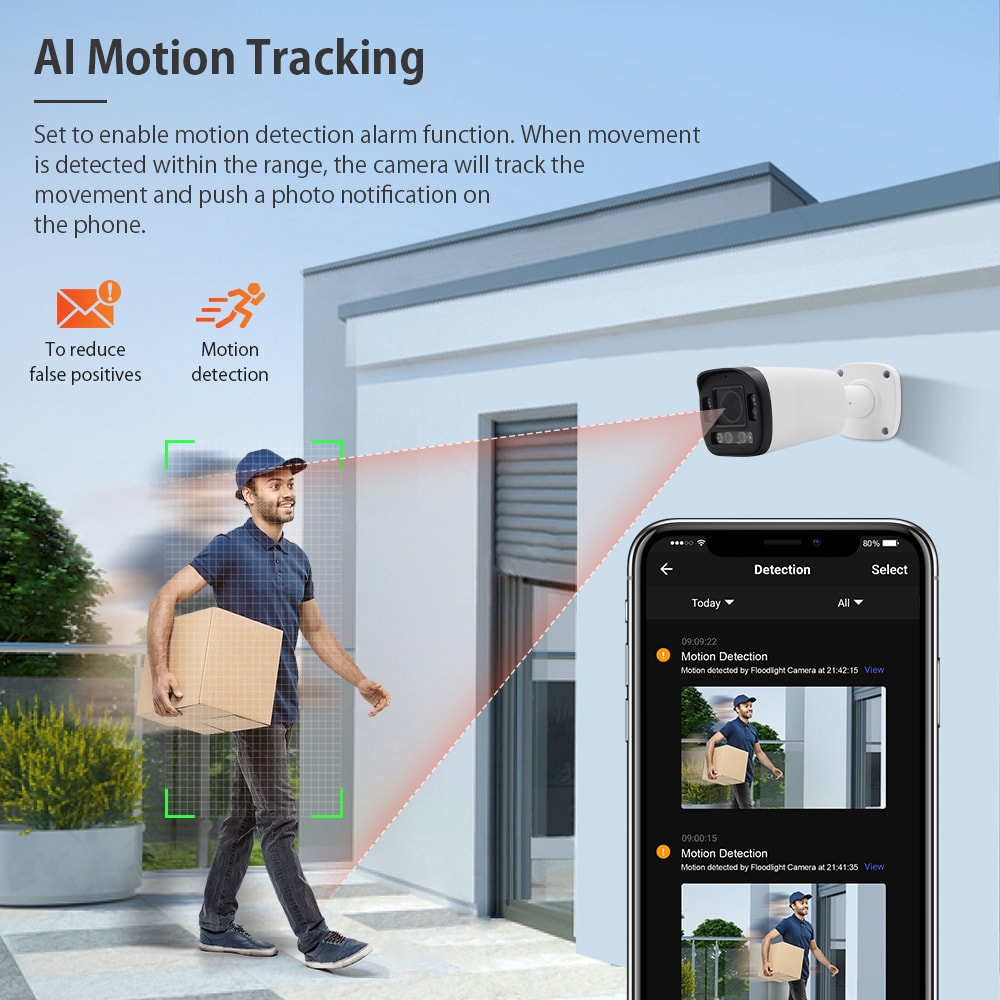
When someone approaches the door, the system can send instant alerts to residents’ smartphones—even before the visitor presses the call button.
Video Recording
Modern systems support local video recording to SD cards (up to 128GB) or cloud storage, providing a record of all visitor activity.
Multi-Language Support
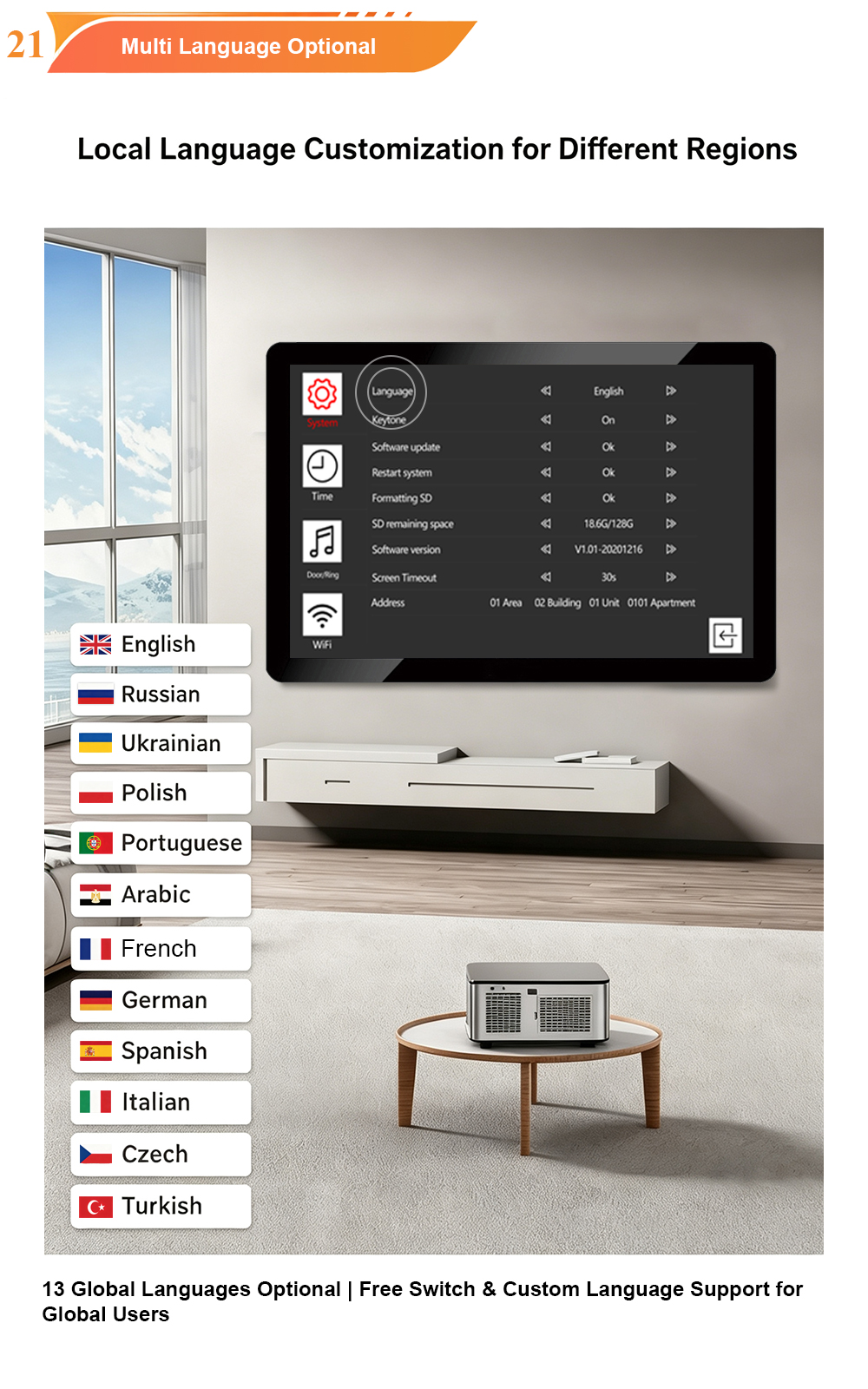
FARHD’s systems support 13+ languages, making them suitable for international projects and diverse communities.
ONVIF Camera Integration
Connect up to 20 IP cameras to the indoor monitor, turning it into a comprehensive surveillance hub—no separate NVR needed.
Elevator Control
Integration with elevator control protocols enables seamless floor-level access for residents.
Why Choose FARHD IP Video Intercom Systems?
FARHD is a professional OEM/ODM manufacturer with over 28 years of experience in video intercom R&D and manufacturing. Since 1998, we have been delivering high-quality video door phone systems and one-stop solutions to clients worldwide.
What sets FARHD apart:
- Founded in 1998 – 28+ years of video intercom expertise
- Source factory – Competitive pricing, full quality control
- OEM / ODM ready – Custom logo, packaging, and software language available
- Global reach – Serving clients in over 90 countries
- No MOQ for trial orders – Start with a sample; scale as you grow
- Full product range – 4-wire CVBS, 4-wire AHD, 2-wire, IP, SIP, and wireless systems
FARHD’s IP systems are designed for:
- Villas and single-family homes – Simple installation, remote access, and weatherproof durability
- Apartment buildings – Scalable capacity up to 9,999 apartments, elevator control integration
- Office buildings – Professional appearance, PoE support, and access control integration
- Gated communities – Multi-station support, face recognition, and centralized management
Conclusion: The Future of Building Access Is IP
The video intercom landscape is shifting from analog wiring and proprietary panels toward IP-based, cloud-managed, and mobile-first systems. This transformation is driven by the growing demand for remote access, smartphone integration, and centralized management capabilities that analog systems simply cannot provide.
An IP video intercom system isn’t just an upgraded doorbell. It’s a connected security platform that combines HD video, two-way audio, mobile access, and electronic door release into a single, scalable solution. Whether you’re upgrading a single villa or equipping a large apartment complex, IP technology delivers the performance, flexibility, and reliability that modern building security demands.
📩 Contact us for catalog, pricing, or to request a sample.
🌐 Website: www.farhd.com
📧 Email: [email protected]
FARHD – Video Intercom Manufacturer Since 1998.

About the Author: S & Y Internet Technology Inc.
S & Y Internet Technology Inc. is a professional installation and repair service provider based in Flushing, New York. Our expert team provides door-to-door installation and maintenance within a 100 km radius, ensuring quick response and high-quality results for every project — whether residential, commercial, or specialized.

Install & Repair Services
You May Also Interest
-
RFID vs QR Code vs Mobile App: Comparing Access Methods for Residential Buildings
Choosing the right access method for your apartment building or gated community is a decision that affects security, convenience, cost, and resident satisfaction. RFID cards, QR codes, and mobile apps each have distinct strengths and weaknesses. This guide compares them side by side—so you can make an informed choice for your next project. In modern…
-
Tuya vs Smart Life: Which App Is Better for Your Video Door Phone?
A practical comparison to help you choose the right app for your smart intercom system If you’ve recently purchased a FARHD video door phone, you’ve probably noticed that the product documentation mentions two apps: Tuya Smart and Smart Life. This immediately raises a common question: which one should you actually use? Are they different? Does…
-
Touch Screen vs Non-Touch Video Intercom Monitors: Which Is Better for Residents?
When specifying a video intercom system for an apartment building, villa, or residential community, one question often divides decision-makers: should the indoor monitor have a touch screen or physical buttons? Both options have passionate advocates. Both have real advantages. And both can be the wrong choice if they don’t match the needs of the residents…
-
How to Upgrade an Old Apartment Intercom to IP Without Rewiring: Step-by-Step
Upgrading an old apartment intercom to a modern IP system no longer requires tearing down walls, replacing every cable, or disrupting residents for weeks. With the right retrofit technology, you can deliver full IP functionality—video calling, mobile access, remote management—using the existing 2-wire cabling already inside your building. This step-by-step guide shows you how. Many…