Smart Door Intercom System for Multifamily Buildings: Complete Guide for Property Developers
Share
From legacy buzzers to connected security platforms—a comprehensive guide to choosing the right smart intercom system for your multifamily development.
The video intercom devices market is undergoing a remarkable transformation. Valued at USD 28.4 billion in 2025, it is projected to reach USD 125.7 billion by 2035, growing at a compound annual growth rate of 16.6%. The door entry systems segment alone reached USD 16 billion in 2025. What is driving this explosive growth? A fundamental shift: video intercoms are moving from standalone door stations to connected security platforms that combine IP video, two-way audio, mobile access, cloud management, and electronic door release.
Urbanization, increasing multifamily housing density, hybrid work patterns, and the growing need for safer visitor verification across residential properties are shaping demand. In the United States, video intercom adoption is led by multifamily housing and commercial real estate. For property developers, this represents both a significant opportunity and a critical decision point.
What Is a Smart Door Intercom System for Multifamily Buildings?
A smart door intercom system—also called a video intercom, apartment doorbell intercom, or multi-tenant entry system—allows a visitor at the building entrance to contact a resident, who can then verify the visitor and grant access remotely. While the core function hasn’t changed, how these systems operate has evolved significantly.
Legacy systems rely on audio-only communication, in-unit handsets or landlines, physical directories tied to unit numbers, hardwired copper phone lines, and on-site manual management. They offer no visual verification, no mobile access, and no audit logs.
Modern smart intercom systems deliver two-way video and audio, route calls to residents’ smartphones anywhere in the world, use cloud-managed digital directories, and provide internet or cellular-based connectivity. They support remote unlock, mobile credentials, cloud-based dashboards, access logs, and integration with access control systems.
The right system does more than stream video: it manages a multi-tenant directory, logs every access event, enforces role-based permissions, and integrates with the rest of your building’s access control infrastructure.
Market Context: Why Property Developers Must Act Now
The video intercom landscape is shifting from analog wiring and proprietary panels toward IP-based, cloud-managed, and mobile-first systems. Property managers increasingly prefer solutions that support remote unlocking, centralized administration, audit trails, and integration with access control, video management systems, alarms, elevators, and smart-home platforms.
Key market drivers:
- Urbanization and multifamily density – Most of the world’s population now lives in urban areas, increasing demand for scalable access systems.
- Smart city and intelligent building initiatives – Government-led infrastructure modernization programs are accelerating adoption.
- Cloud-based security platforms – Growing deployment and expanding broadband connectivity are strengthening demand.
- Resident expectations – 84% of residents consider security features a primary factor in their housing decisions, with video intercoms ranking among the most desired amenities.
For property developers, this means the choice of intercom system can directly impact property value, tenant satisfaction, and operational efficiency. Modernizing visitor management is no longer optional—it’s a competitive necessity.
Core Components of a Smart Multifamily Intercom System
An IP video intercom system in a multi-tenant building typically consists of several interconnected components:
1. Door Station (Outdoor Entry Panel)
Installed at the building entrance, the door station is the primary access layer. It typically includes:
- Camera – HD (1080P) with wide-angle lens and infrared night vision
- Call button or keypad – For visitors to select a resident from the directory or dial a unit
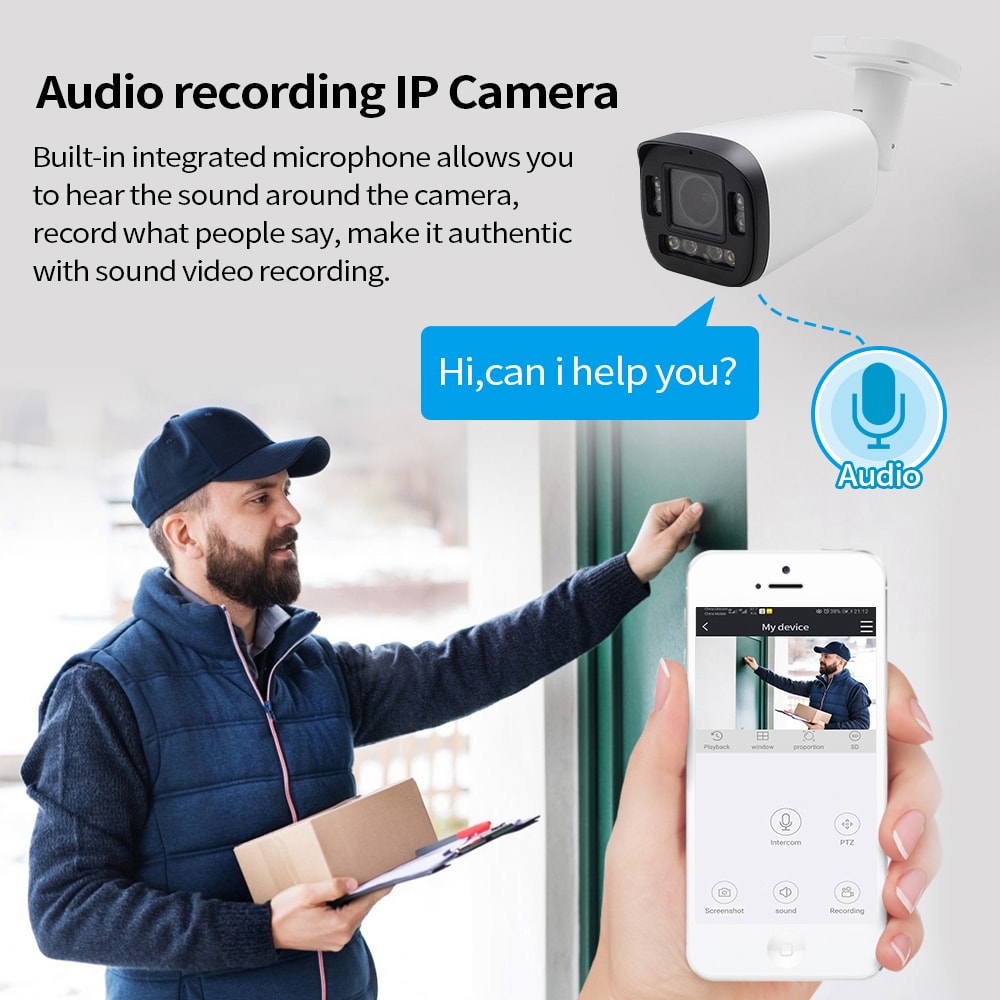
- Microphone and speaker – For two-way audio communication
- Card/fob reader, keypad, or QR code scanner – For access control
- IP65 weatherproof housing – For outdoor durability
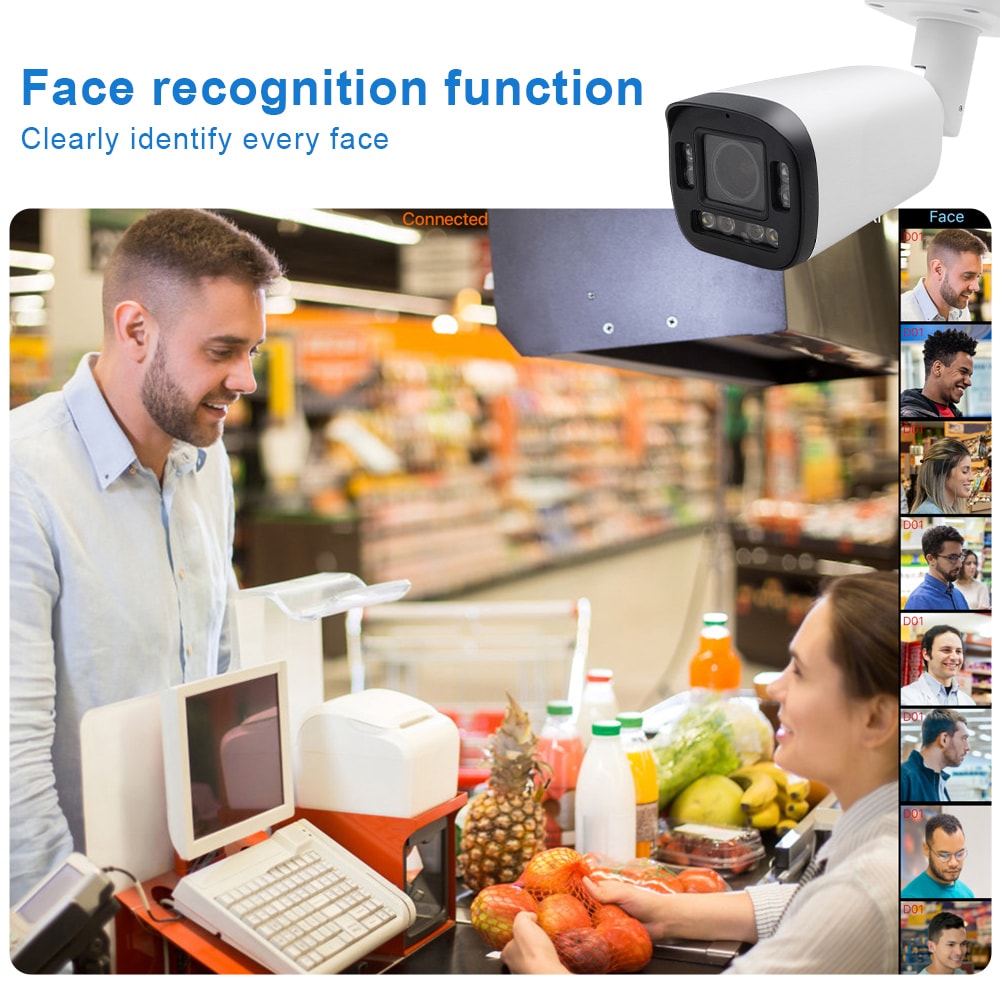
Modern door stations support touchscreen directories, face recognition, and integration with access control systems.
2. Indoor Monitor or Mobile App
Residents receive calls through:
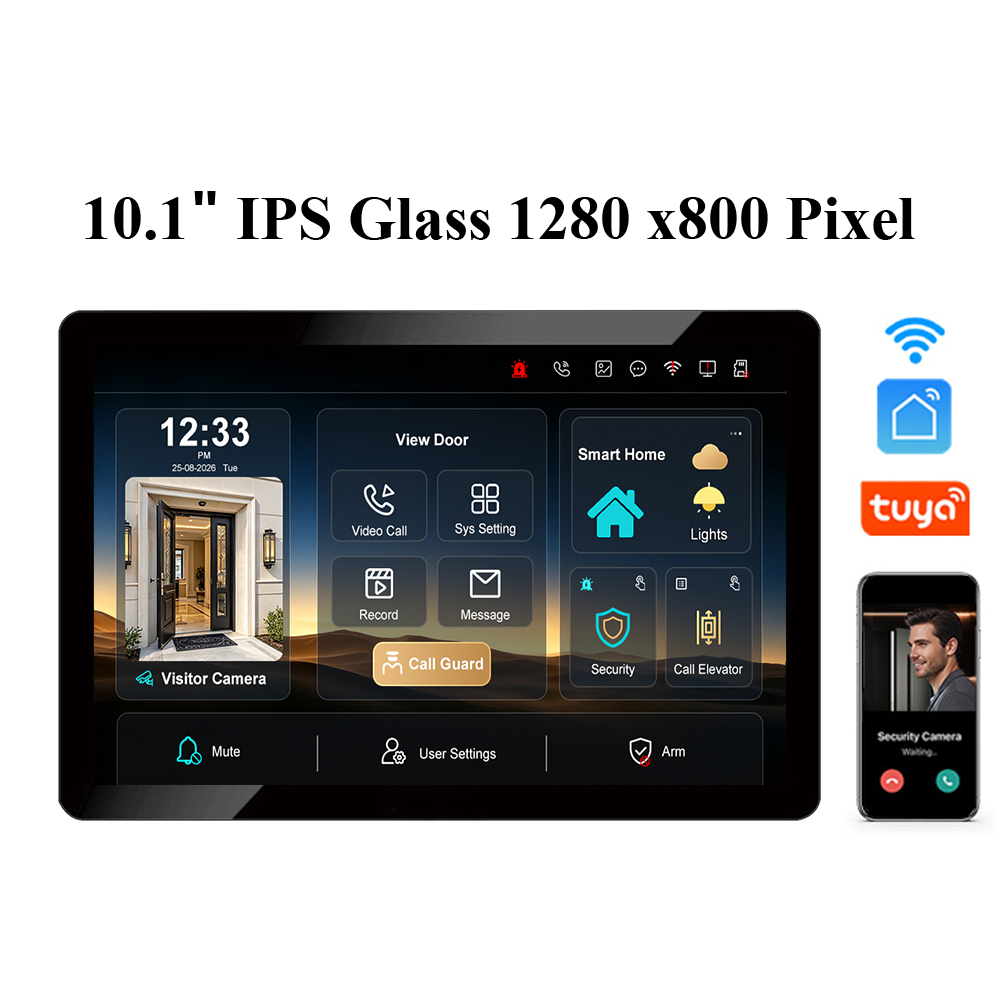
- Wall-mounted indoor monitors – Screen sizes typically 4–10 inches, usually touchscreen, installed in individual units
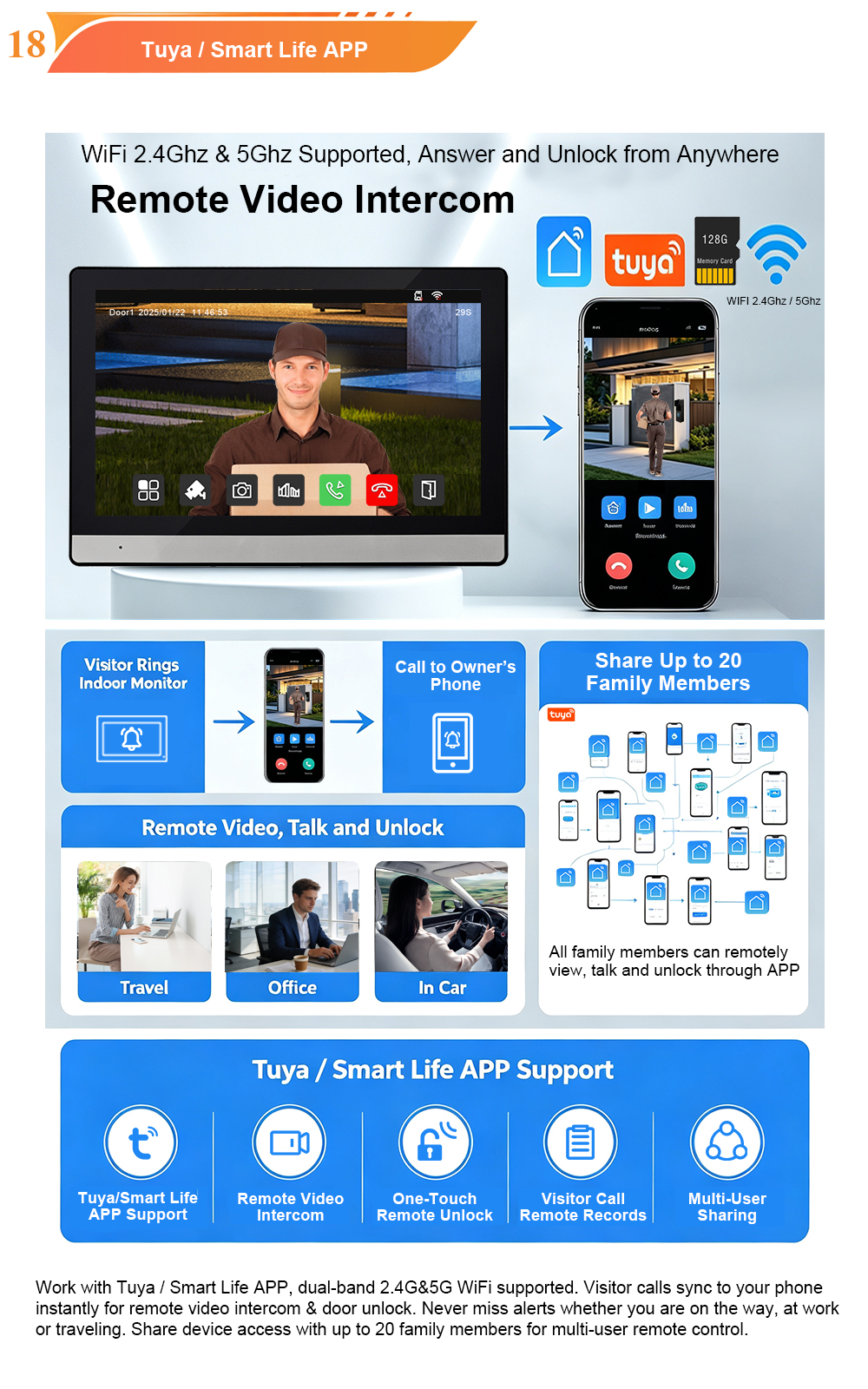
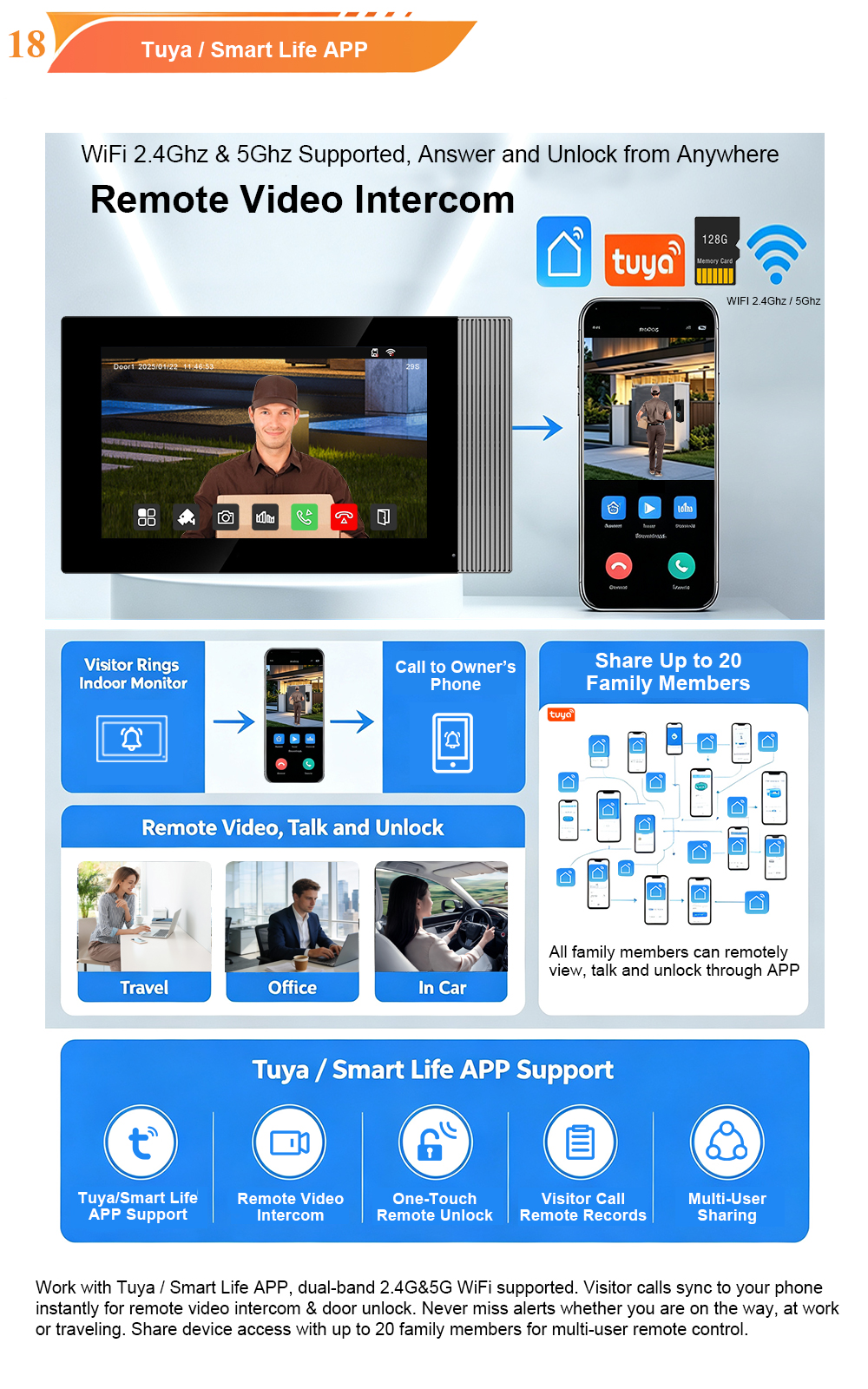
- Mobile app – Shows the call on the resident’s phone, provides video, and enables door/lock control from anywhere
With video intercoms, residents can view live video and communicate with visitors using a mobile app or in-unit tenant station with a screen.
3. Network Infrastructure
- CAT5/6 Ethernet cabling – For reliable wired connections
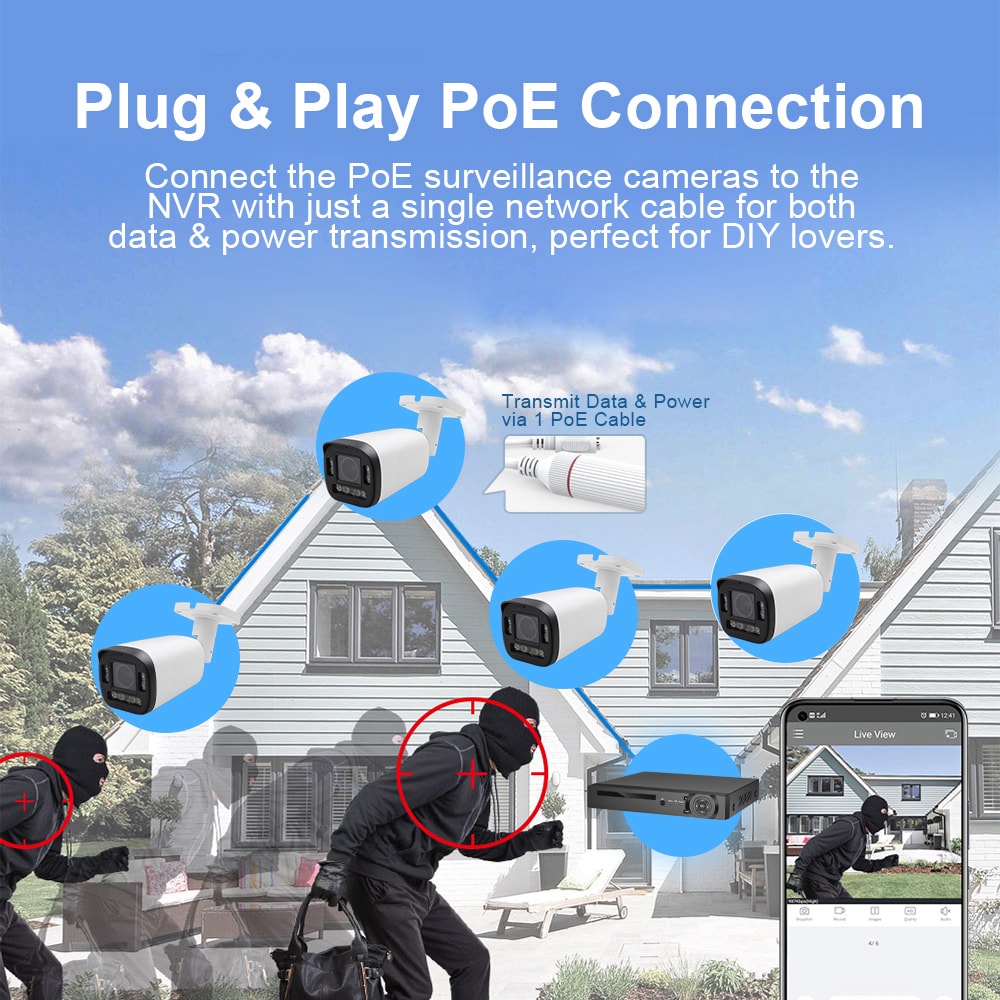
- PoE (Power over Ethernet) – Provides power and data through a single cable
- WiFi connectivity – For wireless indoor monitors and app access
- Cloud management platform – For centralized administration
4. Cloud Management Dashboard
Cloud management has become an essential consideration for large or multi-building properties, simplifying installation and day-to-day operations. Property managers can:
- Onboard new tenants and update information as people move out
- Instantly revoke access permissions
- Monitor access logs and audit trails
- Manage permissions across multiple buildings from a single interface
Key Features to Look for in a Multifamily Intercom System
When evaluating intercom systems for apartment buildings, property developers should consider these critical factors:
1. Video and Mobile Access
Video and mobile access are among the most important features to consider: they give residents a convenient way to visually verify visitors and manage access through their mobile devices. Features such as remote door release and temporary QR code passes allow trusted visitors to enter quickly without relying on the directory.
2. Cloud Management and Scalability
A large apartment community can be made up of multiple buildings, each with several entry points and hundreds of residents, making it essential for the intercom system to scale without limitations. Cloud-based systems with remote user management are critical if you manage multiple units or experience frequent tenant turnover.
3. Integration with Access Control and Security Systems
Many apartment buildings integrate their intercom system with other aspects of their security systems—cameras, video management systems, and access control systems. By integrating access control, property managers can:
- Choose who gets access to which areas
- Add custom schedules for holidays
- Grant and revoke keycard or fob access instantly from any location
4. Multiple Unlock Methods
Modern systems support diverse entry options including facial recognition, RFID, NFC, PIN codes, and app-based access, catering specifically to the unique needs of large apartment complexes. Face recognition systems can store up to 40,000 face IDs, making them suitable for large communities.
5. Robust Hardware for Outdoor Durability
Built-to-last hardware can work with a building’s current wiring, reducing installation time, costs, and material waste. For outdoor use, IP65 weatherproofing and wide operating temperature ranges (-40°C to +70°C) are essential.
6. Audit Logs and Access Reporting
Audit logs and access reporting are not optional in commercial buildings. If a system doesn’t export access events or integrate with your security platform, it will create a compliance gap.
Wiring Considerations: Retrofit vs. New Construction
One of the most critical decisions in selecting a multifamily intercom system is wiring infrastructure.
For new construction: Installing CAT5/6 cabling and PoE infrastructure during the build phase provides maximum flexibility and future-proofing. This allows for IP-based systems with full remote access, cloud management, and integration capabilities.
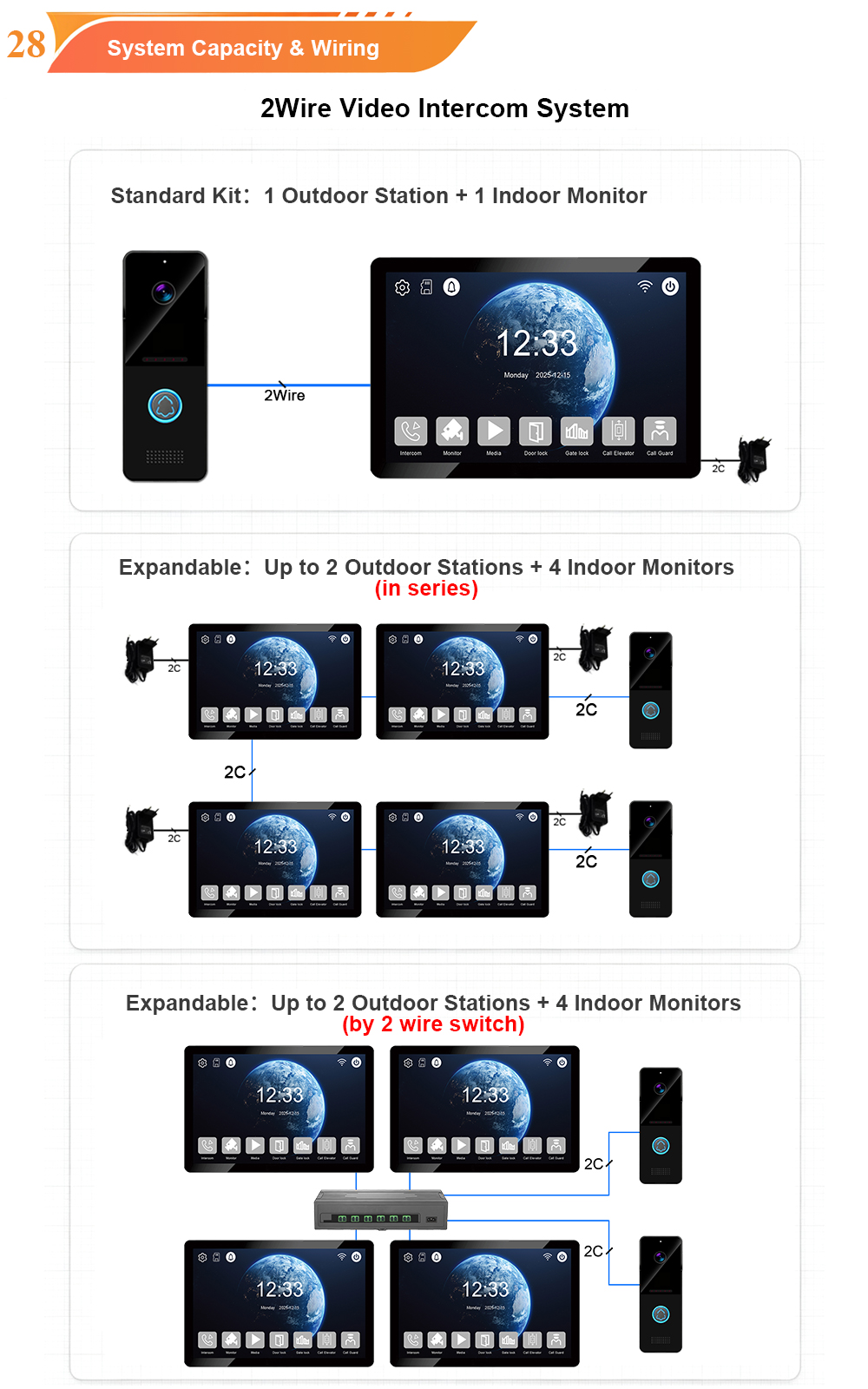
For retrofits: If your building has existing 2-wire cabling, check system compatibility before shortlisting vendors. Reusing it can significantly reduce installation cost, but most cloud-based systems don’t support it. FARHD’s 2-wire IP solutions address this gap by delivering IP features over existing two-core cabling.
Installation timing: Plan intercom locations, wiring paths, connectivity, and camera needs before drywall if your system requires them. Install smart locks after doors, frames, and openings are ready for final hardware.
Cost Considerations
Costs vary significantly based on building size, entry points, and system requirements:
- Single-entry retrofit in a small multifamily building: $1,500–$5,000 all-in for the first year
- Mid-size property with multiple entry points: $8,000–$25,000+ depending on infrastructure and integration requirements
- **Telephone line intercoms start at $500** for basic setups, climbing to $2,400 for more comprehensive systems
For property developers, the long-term impact on Net Operating Income (NOI) should also be considered. Modern intercom systems can reduce tenant complaints, free staff from time-consuming access management tasks, and increase property value.
Why Choose FARHD for Multifamily Intercom Solutions
FARHD is a professional OEM/ODM manufacturer with over 28 years of experience in video intercom R&D and manufacturing. Since 1998, we have been delivering high-quality video door phone systems and one-stop solutions to clients worldwide, covering 4-wire CVBS, 4-wire AHD, 2-wire, IP, SIP, and wireless systems.
What sets FARHD apart for multifamily projects:
- Massive capacity – Supports up to 9,999 apartments with 1- to 4-digit room numbers
- Multiple unlock methods – Face recognition (up to 40,000 faces), RFID, NFC, and password
- IP65 weatherproof – Built for extreme conditions, -40°C to +70°C operating range
- PoE power support – Simplifies installation with one-cable power and data
- Elevator control integration – Seamless floor-level access for high-rise buildings
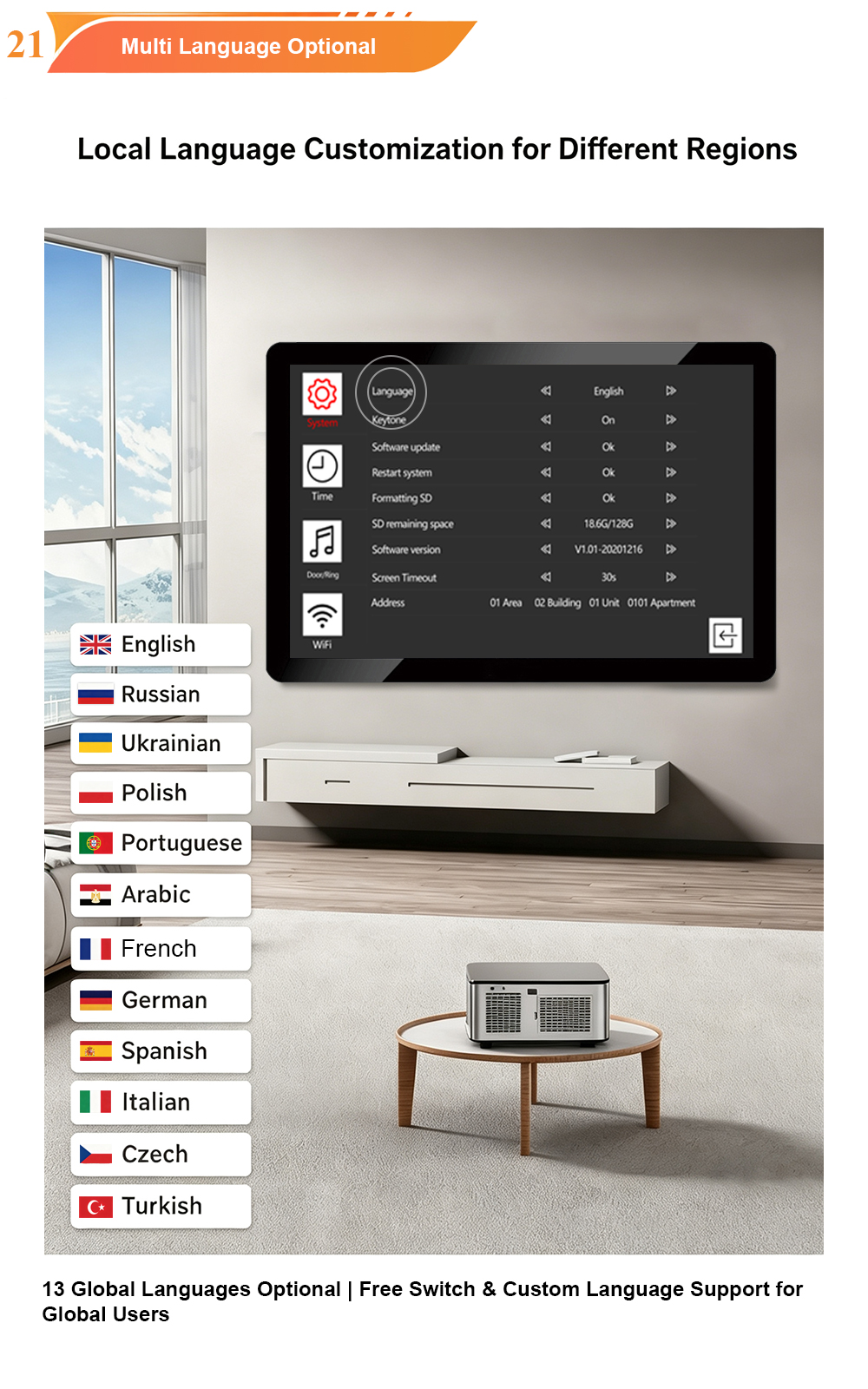
- Multi-language support – 10+ languages for global projects
- Flexible wiring options – 2-wire, 4-wire, or IP to match existing infrastructure
- OEM/ODM ready – Custom logo, packaging, and software language available
- No MOQ for trial orders – Start with a sample; scale as you grow
FARHD designs and manufactures everything from TFT LCD screens, driver boards, and camera modules to complete apartment building intercom systems. This vertical integration ensures consistent quality, competitive pricing, and full control over the supply chain.
Conclusion: The Future of Multifamily Access Is Smart and Connected
The days of relying on decades-old buzzers dependent on copper phone lines are ending. Today’s renters expect visual verification and the ability to manage visitors from their smartphones. For property developers, choosing the right smart door intercom system is no longer just about security—it’s about resident satisfaction, operational efficiency, and property value.
A modern smart intercom system is not just an upgraded doorbell. It’s a connected security platform that combines HD video, two-way audio, mobile access, cloud management, and electronic door release into a single, scalable solution. Whether you’re developing a new luxury apartment tower or upgrading an existing multifamily building, the right intercom system delivers the performance, flexibility, and reliability that modern building security demands.
📩 Contact us for catalog, pricing, or to discuss your multifamily project requirements.
🌐 Website: www.farhd.com
📧 Email: [email protected]

About the Author: S & Y Internet Technology Inc.
S & Y Internet Technology Inc. is a professional installation and repair service provider based in Flushing, New York. Our expert team provides door-to-door installation and maintenance within a 100 km radius, ensuring quick response and high-quality results for every project — whether residential, commercial, or specialized.

Install & Repair Services
You May Also Interest
-
RFID vs QR Code vs Mobile App: Comparing Access Methods for Residential Buildings
Choosing the right access method for your apartment building or gated community is a decision that affects security, convenience, cost, and resident satisfaction. RFID cards, QR codes, and mobile apps each have distinct strengths and weaknesses. This guide compares them side by side—so you can make an informed choice for your next project. In modern…
-
Tuya vs Smart Life: Which App Is Better for Your Video Door Phone?
A practical comparison to help you choose the right app for your smart intercom system If you’ve recently purchased a FARHD video door phone, you’ve probably noticed that the product documentation mentions two apps: Tuya Smart and Smart Life. This immediately raises a common question: which one should you actually use? Are they different? Does…
-
Touch Screen vs Non-Touch Video Intercom Monitors: Which Is Better for Residents?
When specifying a video intercom system for an apartment building, villa, or residential community, one question often divides decision-makers: should the indoor monitor have a touch screen or physical buttons? Both options have passionate advocates. Both have real advantages. And both can be the wrong choice if they don’t match the needs of the residents…
-
How to Upgrade an Old Apartment Intercom to IP Without Rewiring: Step-by-Step
Upgrading an old apartment intercom to a modern IP system no longer requires tearing down walls, replacing every cable, or disrupting residents for weeks. With the right retrofit technology, you can deliver full IP functionality—video calling, mobile access, remote management—using the existing 2-wire cabling already inside your building. This step-by-step guide shows you how. Many…