Smartphone-Only Intercom Deployments: Why 60% of New Buildings Are Skipping Indoor Monitors
Share
Quick Navigation
- What Is a Smartphone-Only Intercom Deployment?
- The Numbers: How Big Is This Trend?
- Why Are Buildings Skipping Indoor Monitors?
- How Smartphone-Only Intercoms Actually Work
- The Pros and Cons of Smartphone-Only Deployments
- The Hybrid Approach: Best of Both Worlds
- Real-World Examples
- Frequently Asked Questions
What Is a Smartphone-Only Intercom Deployment?
A smartphone-only intercom deployment is exactly what it sounds like: a building entry system where residents interact with visitors entirely through their smartphones—with no dedicated indoor monitor or handset installed in each apartment.
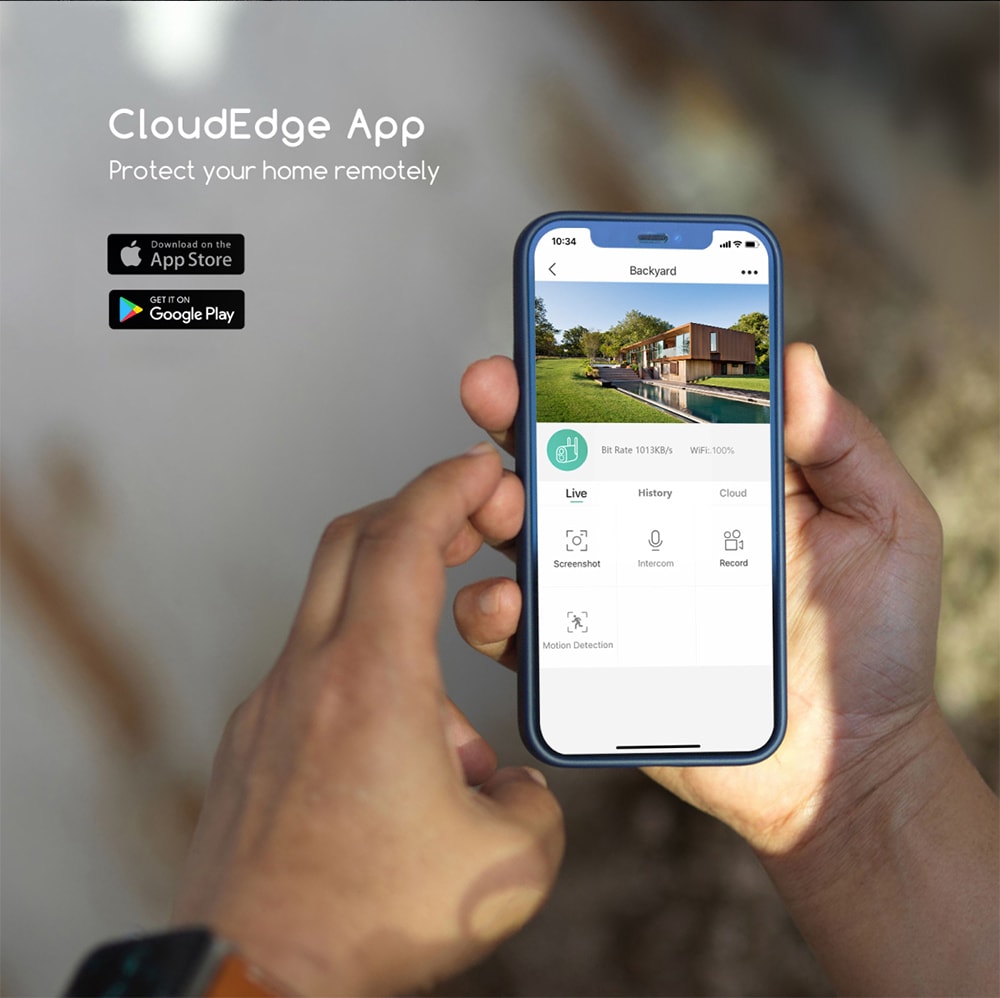
Instead of installing expensive, hard-wired indoor stations in every unit, modern systems route visitor calls directly to residents’ mobile phones via an app. Residents can see and speak to visitors, and unlock the door—whether they are on the couch or halfway across the world.
This represents a fundamental shift in how multifamily buildings approach intercom infrastructure. The era of the dedicated wired wall monitor is winding down—replaced by phone apps, QR-coded visitor passes, and lobby panels that talk to anyone wherever they are.
Smartphone-only deployments eliminate:
- Per-unit indoor monitor hardware
- Wiring to every apartment
- On-site technical maintenance for in-unit devices
- Hardware replacement costs when monitors fail or become obsolete
The Numbers: How Big Is This Trend?
The shift to smartphone-only intercoms is not a niche experiment—it’s becoming the industry standard.
Smartphone-only deployments are now mainstream. In fact, smartphone-only is now common and far cheaper. According to industry analysis, three trends define intercom in 2026, and smartphone-only deployments are at the top of the list.
For an 800-apartment tower, the numbers are striking:
- Smartphone-only IP intercom: AED 1.2–1.8M
- Traditional with in-apartment monitors: AED 2.8–4M
That’s a saving of over 60% on hardware costs. The cost gap is even wider when you factor in the labor required to run wires through every wall in the building.
For developers and property owners, this is not a minor consideration. Every monitor that is eliminated is hundreds of dollars saved in hardware, installation labor, and ongoing maintenance.
But it’s not just about cost. More than 49% of renters are below the age of 30. They’re the ones who are really into the technology, and they’re the ones who are going to be using their phones. For this demographic, a smartphone is not a backup device—it’s their primary interface for everything, including building access.
Why Are Buildings Skipping Indoor Monitors?
1. Massive Cost Savings
This is the most immediate and compelling driver. Traditional intercom systems require a physical monitor in every unit—each costing $200–$1,000+ depending on features. Multiply that by 100, 200, or 500 units, and the numbers become staggering.
Smartphone-only deployments eliminate this line item entirely. As one industry expert put it: “Replace expensive in-apartment monitors with smartphone-only intercom—significant cost saving for tower developers”.
The savings are not just in hardware. There’s no wiring to run to every apartment, no drilling through walls, no network configuration for each unit, and no ongoing maintenance for in-unit devices.
2. Residents Already Carry Smartphones
The smartphone is already the most ubiquitous device on the planet. Residents now expect the same flexibility and convenience from their building access experience that they already receive from smartphones, delivery apps, and other connected technologies.
Why install a dedicated device that does one thing when residents already carry a device that does everything?
3. Mobile-First Access Is the Fastest-Growing Segment
Mobile-based access control systems are the fastest growing in the industry, and in multifamily right now. Using smartphones to unlock doors, gates, elevators, and amenity spaces—having everything on your mobile device—is the direction the industry is heading.
4. Younger Renters Drive the Trend
With 49% of renters below the age of 30, the demographic is clear. They’re tech-savvy, they live on their phones, and they expect their buildings to keep up. “Eventually everything will go mobile”.
5. Faster, Simpler Installation
A smartphone-only deployment can be installed in days, not weeks. No running cables to every apartment. No coordinating access to individual units. No complex wiring diagrams. As one locksmith noted about Wi-Fi-based intercoms: “We don’t even have to wire the building because everything is Wi-Fi. You’re no longer rewiring an older building, just pop in the unit and you’re done”.
6. The Rise of Hardware-Free Solutions
In June 2026, SmartRent launched Virtual Intercom—a browser-based, smartphone-friendly entry system that replaces physical panels with QR codes. The system is designed for rapid deployment with no need for traditional intercom hardware, complex wiring, or electrical installation.
Virtual Intercom eliminates the upfront costs and reduces typical hardware and installation expenditures by up to 85%.
As SmartRent’s CIO put it: “For years, property operators have faced a double standard: intercoms are highly requested by residents, but the per-building hardware and wiring costs can make portfolio-wide installation economically impractical. Virtual Intercom removes the hardware bottleneck”.
7. Cloud-Based Mobile-First Solutions
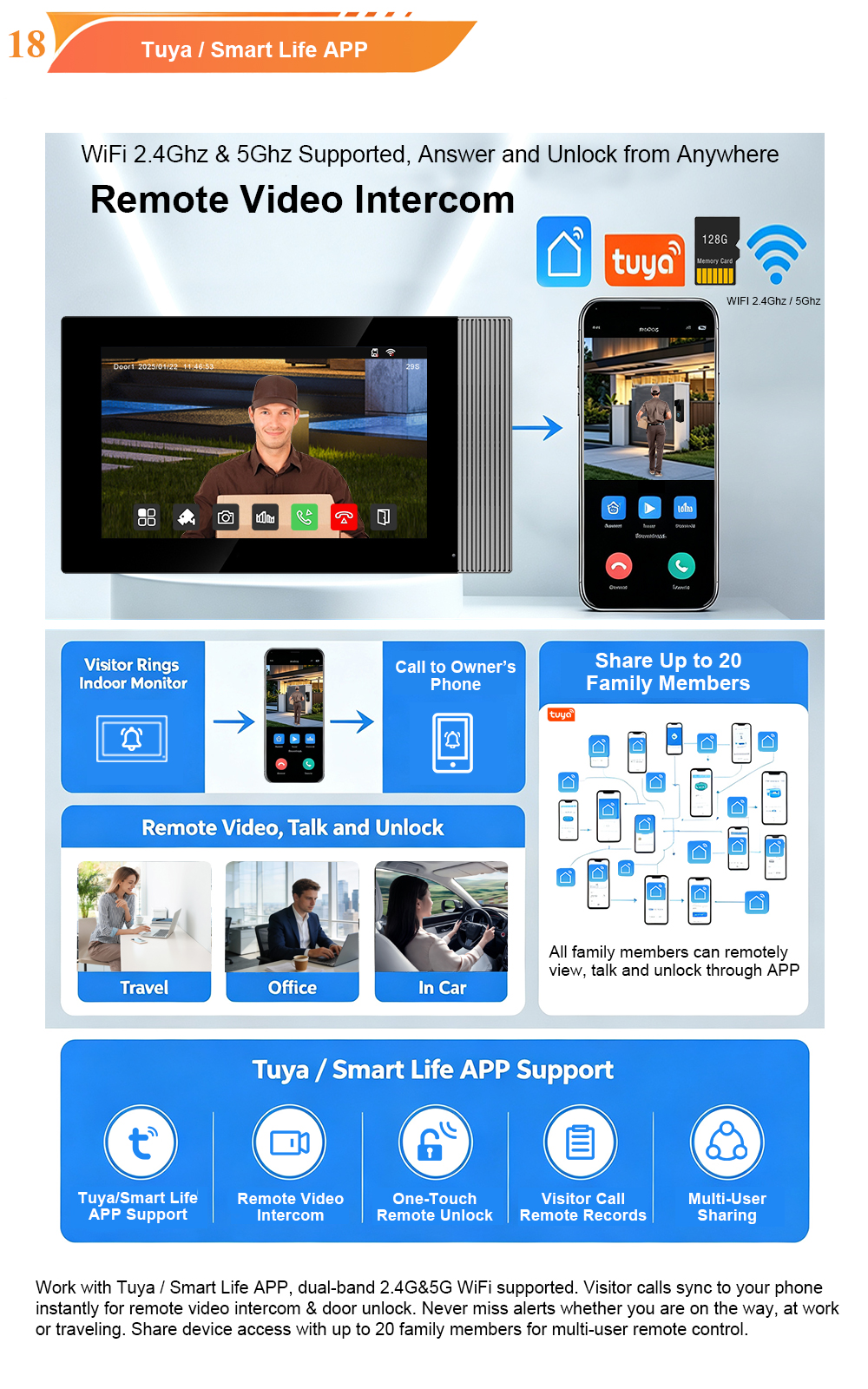
DNAKE has also embraced the trend, offering cloud-based mobile-first solutions that deliver seamless, scalable management of smart intercoms, access control terminals, and elevator systems—eliminating the need for traditional indoor monitors.
8. Reduced Maintenance Burden
Every indoor monitor is a potential point of failure. They get damaged, they become outdated, they need firmware updates, and residents call when they stop working. Smartphone-only deployments eliminate this maintenance burden entirely. The system lives in the cloud and on residents’ phones—devices they already maintain themselves.
How Smartphone-Only Intercoms Actually Work
The Basic Workflow
For residents:
- Download the building’s intercom app (or use an existing property management app)
- Register their unit and verify their identity
- Receive push notifications when visitors call
- Answer calls, see visitors via live video, and unlock doors—all from their phone
For visitors:
- Arrive at the building entrance
- Use the outdoor door station to find the resident by name or unit number
- Press the call button
- The call rings the resident’s smartphone—anywhere in the world
QR Code-Based Systems
Some systems take this even further. ButterflyMX’s QR Code Intercom allows visitors to scan a QR code displayed at any door, gate, or garage entrance. The visitor scans the QR code to launch a web-based intercom; no mobile app is required. They can then search for the resident and place a video call—all from their browser.
Virtual Intercom
SmartRent’s Virtual Intercom uses a similar approach: visitors scan a QR code at any entry point, which takes them to a mobile web directory. Using WebRTC streaming technology, a connection to the resident is established. Residents receive a push notification within their existing mobile app and can verify the guest’s identity and unlock the door with a single tap.
The Pros and Cons of Smartphone-Only Deployments
✅ Advantages
⚠️ Disadvantages
The Reality Check
Does smartphone-only actually work? Yes—for 90%+ of residents in modern towers. The 10% who prefer an indoor monitor can be accommodated through a hybrid approach: one monitor per apartment door for elderly residents who prefer it, plus the mobile app for everyone else.
The Hybrid Approach: Best of Both Worlds
Many buildings are not going 100% smartphone-only. Instead, they’re adopting a hybrid approach:
“We typically deploy a hybrid: one monitor near the apartment door for elderly residents who prefer it, plus the app for everyone else”.
Why hybrid works:
- Cost savings – Most units get smartphone-only access, dramatically reducing hardware costs
- Flexibility – Residents who want a physical monitor can have one
- Accessibility – Elderly or tech-averse residents aren’t left behind
- Future-proofing – As demographics shift, you can phase out monitors naturally
DNAKE’s cloud-based mobile-first solutions are designed for exactly this kind of flexibility—eliminating the need for traditional indoor monitors while still supporting them where needed.
Real-World Examples
800-Apartment Tower (UAE)
For an 800-apartment tower, smartphone-only IP intercom typically costs AED 1.2–1.8M vs AED 2.8–4M for traditional in-apartment monitors. The savings are so significant that smartphone-only is now common and far cheaper.
SmartRent Virtual Intercom (2026)
In June 2026, SmartRent launched a browser-based, smartphone-friendly entry system that replaces physical panels with QR codes. The system eliminates the upfront costs and reduces typical hardware and installation expenditures by up to 85%. It’s designed for rapid deployment with no need for traditional intercom hardware, complex wiring, or electrical installation.
ButterflyMX QR Code Intercom
ButterflyMX offers a QR Code Intercom that brings visitor access and security to every property with lower upfront hardware and installation costs. Visitors scan the QR code to launch a web-based intercom; no mobile app is required. The system is ideal for budget-conscious properties or those with multiple entryways that want to simplify access without the need for additional hardware.
Frequently Asked Questions
What is a smartphone-only intercom deployment?
A smartphone-only intercom deployment is a building entry system where residents interact with visitors entirely through their smartphones, with no dedicated indoor monitor or handset installed in each apartment.
How much can I save by skipping indoor monitors?
For an 800-apartment tower, savings can be over 60% on hardware costs. Some hardware-free solutions reduce hardware and installation expenditures by up to 85%.
Do residents actually like smartphone-only intercoms?
Yes. Mobile-based access control systems are the fastest growing in the industry. 90%+ of residents in modern towers are comfortable using smartphone-only intercoms.
What about elderly residents who don’t use smartphones?
That’s where the hybrid approach works best: one monitor near the apartment door for elderly residents who prefer it, plus the app for everyone else.
What happens if a resident loses their phone?
If a resident loses their phone, they can’t answer calls until they get a replacement and reinstall the app. This is a genuine limitation. Most buildings address this by offering alternative access methods (PIN codes, QR codes, or a concierge) as backup options.
Does a smartphone-only intercom work without internet?
No—residents need data or Wi-Fi to receive calls. This is why reliable cellular coverage and building Wi-Fi are important considerations for smartphone-only deployments.
How do visitors find residents without a directory?
Most systems still have a door station with a touchscreen directory at the entrance. Visitors search for the resident by name or unit number, then press call—which rings the resident’s smartphone.
Is this trend going to continue?
Yes. The shift from traditional hardware-based intercoms to smartphone-only deployments is part of a broader industry trend toward IP-based, cloud-managed, and mobile-first systems. The intercoms systems and equipment market is growing from $24.89 billion in 2025 to $26.63 billion in 2026 at a CAGR of 7%, with smartphone-compatible video intercoms leading the growth.
Why Choose FARHD Audio Intercoms?
FARHD is a professional OEM/ODM manufacturer with over 28 years of experience in video intercom R&D and manufacturing. Since 1998, we have been delivering high‑quality video door phone systems and one‑stop solutions to clients worldwide.
- Founded in 1998 – 28+ years of intercom expertise
- Source factory – Competitive pricing, full quality control
- OEM / ODM supported – Custom logo, packaging, and software language available
- Global reach – Serving clients in over 90 countries
- No MOQ for trial orders – Start with a sample; scale as you grow
Conclusion
The trend is clear: smartphone-only intercom deployments are becoming the new standard in multifamily buildings.
The numbers tell the story:
- 60%+ hardware cost savings in tower projects
- Up to 85% reduction in hardware and installation expenditures
- 90%+ of residents in modern towers are comfortable with the approach
- Mobile-based access control is the fastest-growing segment in the industry
The drivers are equally clear:
- Cost – Developers save millions on large projects
- Technology – IP-based, cloud-managed systems have made smartphone-only deployments reliable and scalable
- Demographics – With 49% of renters under 30, the smartphone is the primary interface
- Convenience – Residents can answer calls and unlock doors from anywhere
The era of the dedicated wired wall monitor is winding down. For most new multifamily buildings in 2026, the question isn’t whether to go smartphone-only—it’s how to implement the transition smoothly, with hybrid options for residents who prefer a physical monitor.
Is your next building project ready for a smartphone-only intercom deployment? Start by evaluating your resident demographics, building size, and budget—and consider a hybrid approach that gives residents the choice.

About the Author: S & Y Internet Technology Inc.
S & Y Internet Technology Inc. is a professional installation and repair service provider based in Flushing, New York. Our expert team provides door-to-door installation and maintenance within a 100 km radius, ensuring quick response and high-quality results for every project — whether residential, commercial, or specialized.

Install & Repair Services
You May Also Interest
-
RFID vs QR Code vs Mobile App: Comparing Access Methods for Residential Buildings
Choosing the right access method for your apartment building or gated community is a decision that affects security, convenience, cost, and resident satisfaction. RFID cards, QR codes, and mobile apps each have distinct strengths and weaknesses. This guide compares them side by side—so you can make an informed choice for your next project. In modern…
-
Tuya vs Smart Life: Which App Is Better for Your Video Door Phone?
A practical comparison to help you choose the right app for your smart intercom system If you’ve recently purchased a FARHD video door phone, you’ve probably noticed that the product documentation mentions two apps: Tuya Smart and Smart Life. This immediately raises a common question: which one should you actually use? Are they different? Does…
-
Touch Screen vs Non-Touch Video Intercom Monitors: Which Is Better for Residents?
When specifying a video intercom system for an apartment building, villa, or residential community, one question often divides decision-makers: should the indoor monitor have a touch screen or physical buttons? Both options have passionate advocates. Both have real advantages. And both can be the wrong choice if they don’t match the needs of the residents…
-
How to Upgrade an Old Apartment Intercom to IP Without Rewiring: Step-by-Step
Upgrading an old apartment intercom to a modern IP system no longer requires tearing down walls, replacing every cable, or disrupting residents for weeks. With the right retrofit technology, you can deliver full IP functionality—video calling, mobile access, remote management—using the existing 2-wire cabling already inside your building. This step-by-step guide shows you how. Many…