Video Door Phone vs Traditional Buzzer: Which Is Better for Your Building?
Share
Quick Navigation
- What Is a Traditional Apartment Buzzer System?
- What Is a Video Door Phone System?
- The Limitations of Traditional Buzzer Systems
- Why Video Door Phones Are the Clear Winner
- Side-by-Side Comparison: Video Door Phone vs Traditional Buzzer
- Cost Comparison: Upfront vs Long-Term Value
- Security Statistics: What the Data Says
- Resident Expectations Are Changing
- Retrofitting: Can You Upgrade Without Rewiring?
- Why FARHD Is a Trusted Partner for Building Upgrades
- Frequently Asked Questions
What Is a Traditional Apartment Buzzer System?
A traditional apartment buzzer—also known as a door buzzer, call box, or audio intercom—is the entry system that has been a staple of multifamily buildings for decades. It allows visitors to request building access by pressing a button on an intercom panel located outside the building. The system triggers a buzzer or audio call inside the corresponding apartment, and the resident can speak with the visitor and press a button to unlock the door.
Early systems operated through dedicated electrical wiring connecting the front door panel to a substation unit in each apartment. Over time, audio intercoms were integrated to allow two-way communication. Later, telephone entry systems—also known as call boxes—allowed residents to receive visitor calls and grant access using their landline phones, eliminating the need for in-unit substations.
The key limitation? These systems are audio-only. Residents can hear visitors but cannot see them. And they require residents to be physically present in their apartment to answer and grant access.
What Is a Video Door Phone System?
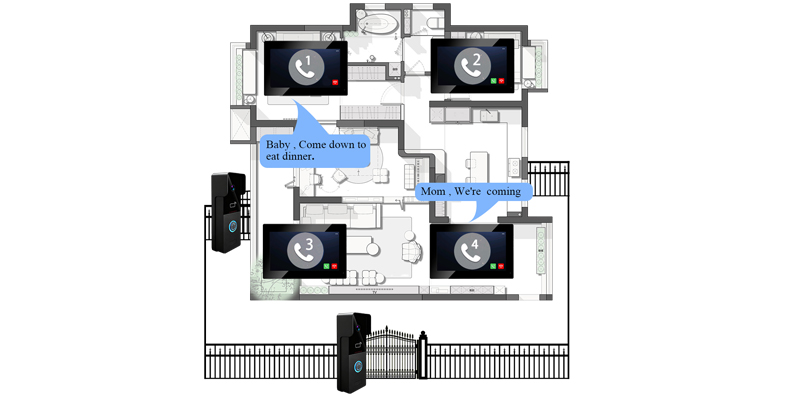
A video door phone system—also called a video intercom, video door entry system, or smart intercom—is a modern evolution of the traditional buzzer. It allows residents to see, speak with, and remotely unlock doors for visitors using HD video calls.
Unlike traditional buzzers, video door phones transmit a live visual feed alongside audio. This allows for robust security verification, as cameras capture visitors’ faces even if they don’t speak.
Modern video door phone systems typically include:
| Component | Function |
|---|---|
| Outdoor Door Station | Camera, microphone, speaker, call buttons, and often a card/fob reader or keypad at the building entrance |
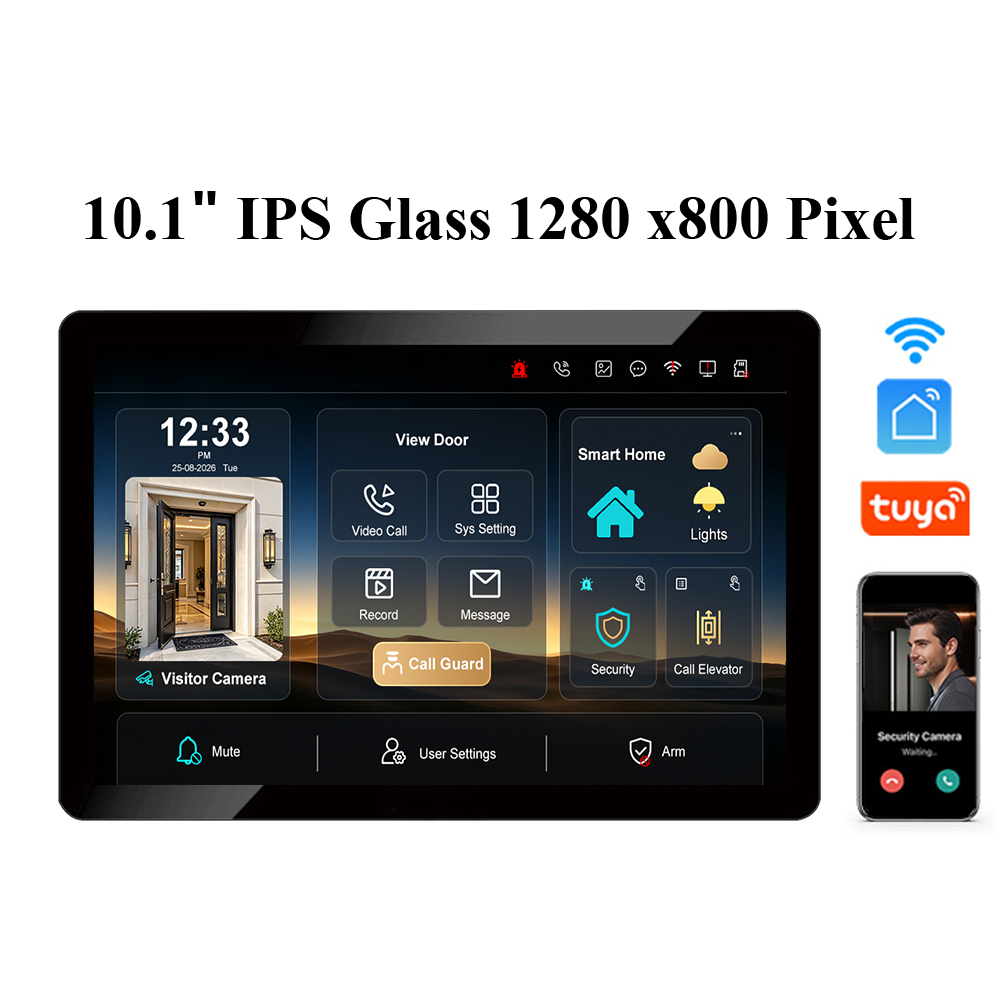
| Indoor Monitor | Wall-mounted touchscreen display (4–10 inches) inside each apartment |
| Mobile App | Allows residents to answer calls, view visitors, and unlock doors from anywhere |
| Door Lock Controller | Electrically releases the door lock upon resident’s command |
Video intercoms have advanced dramatically in recent years and are becoming increasingly popular in buildings with multiple tenants due to their ability to sync with the cloud. A cloud-based video intercom is now the most likely choice for large multi-tenant apartment complexes because it is easy to manage and affordable.
The Limitations of Traditional Buzzer Systems
Before comparing the two, it’s important to understand why traditional buzzers are increasingly seen as outdated.
1. No Visual Verification
Without video, residents can’t confirm who’s at the door. They must rely only on voice recognition, which can be misleading. In multi-unit buildings with high visitor traffic, this lack of visibility makes it harder to prevent unauthorized access.
Audio buzzers offer no visual confirmation. Residents must rely purely on voice recognition, which can be impersonated or misleading. Security vulnerabilities increase as a result.
2. No Remote Access
Residents must be physically in their apartment to grant entry. This is inconvenient if they’re expecting a visitor while away from home or unable to get to the buzzer quickly. It also limits flexibility for managing deliveries or guests outside of typical hours.
Traditional systems require residents to be physically present or near their unit to respond to a buzzer.
3. No Audit Trails or Logs
Many older buzzer systems don’t record who was buzzed in, when, or by whom. Without logs or audit trails, resolving incidents or security breaches becomes difficult.
4. Buzzer Bombing Vulnerability
Visitors can press every button on the intercom system until someone lets them in, which is annoying for residents and poses a safety risk for the building. If you have an apartment intercom system with door release, your residents may unlock the door without knowing who’s on the other side, making your building less safe.
5. Limited Integration and High Maintenance Costs
Traditional systems rarely connect with other building technologies. They function as standalone devices rather than part of a larger access ecosystem. Wiring, mechanical buttons, and old parts wear out over time. Repairs and parts for older systems become harder to source.
While some legacy telephone entry systems have been upgraded to support mobile calling and remote unlocking, they still have significant drawbacks compared to modern video intercom systems—including complex programming, high landline costs, and the absence of video surveillance.
Why Video Door Phones Are the Clear Winner
1. Visual Verification: See Before You Let Anyone In
Video intercom systems provide an advanced layer of security by enabling both audio and visual verification of visitors. High-definition video feeds allow residents to see exactly who is at the door before granting access.
2. Remote Access: Answer from Anywhere
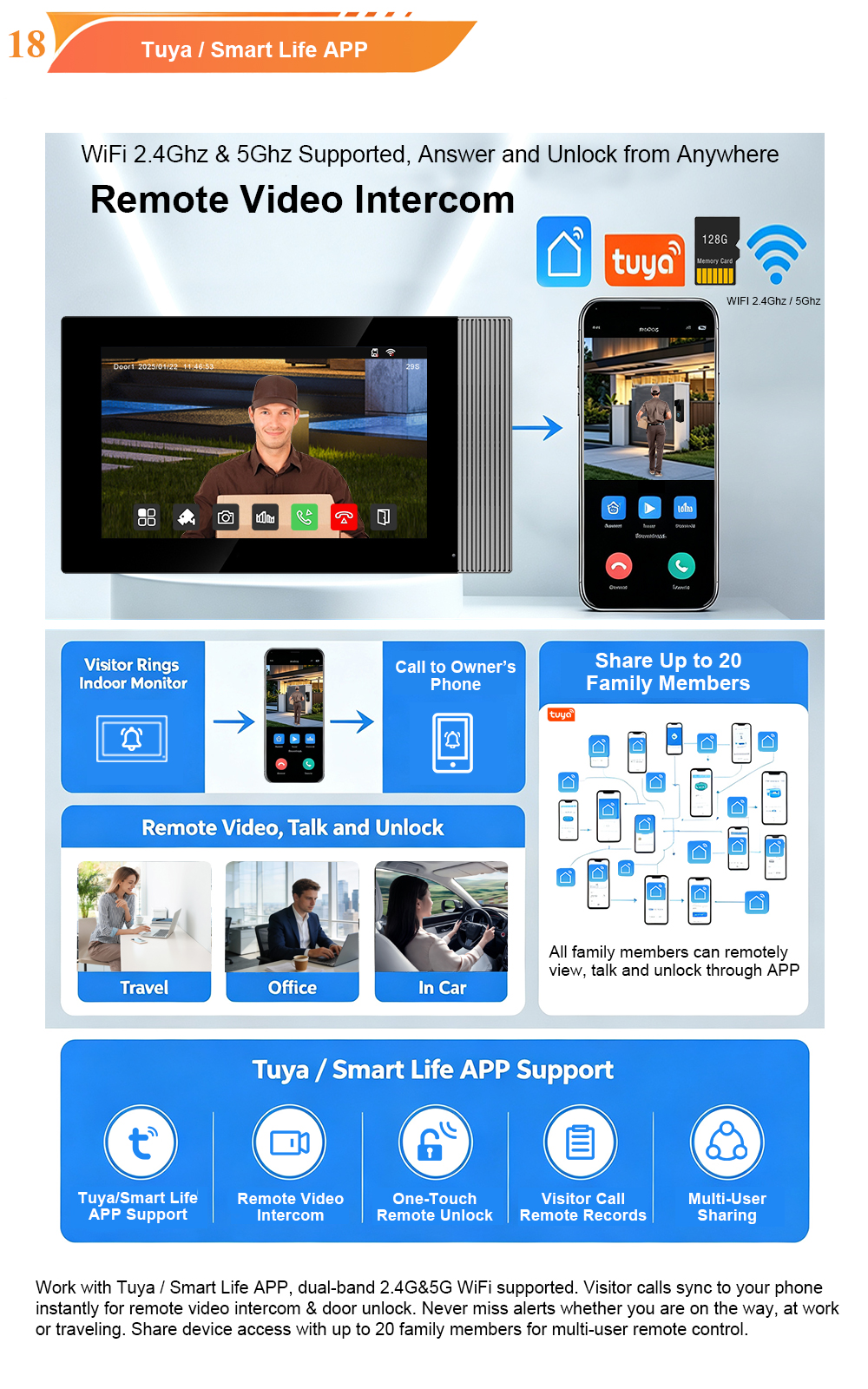
Modern video door phones allow residents to answer calls, see visitors, and unlock doors directly from their smartphones. This means they can manage access whether they’re at home, at work, or even traveling.
3. Audit Trails and Accountability
Video intercom systems log every access event: who buzzed, when, and how they gained entry. This creates a complete audit trail that helps resolve disputes, investigate incidents, and enhance overall accountability.
4. Flexible Entry Methods
Beyond simple buzzing, modern systems support a variety of entry methods:
- Mobile credentials (smartphones as keys)
- Keypads and PIN codes
- QR codes (temporary access for guests)
- Touchless entry methods
5. Package Delivery Management
Video intercoms can streamline package deliveries, detecting and notifying residents when a delivery arrives—reducing missed drop-offs and package theft. Properties with integrated video intercom systems report a 65% improvement in package delivery management.
Side-by-Side Comparison: Video Door Phone vs Traditional Buzzer
| Feature | Traditional Buzzer | Video Door Phone |
|---|---|---|
| Visual Verification | ❌ Audio only—no video | ✅ HD video of every visitor |
| Remote Access | ❌ Must be in apartment | ✅ Answer from anywhere via smartphone |
| Audit Trails | ❌ No logs of who entered | ✅ Complete entry logs with timestamps |
| Mobile App | ❌ Not available | ✅ iOS/Android app for residents |
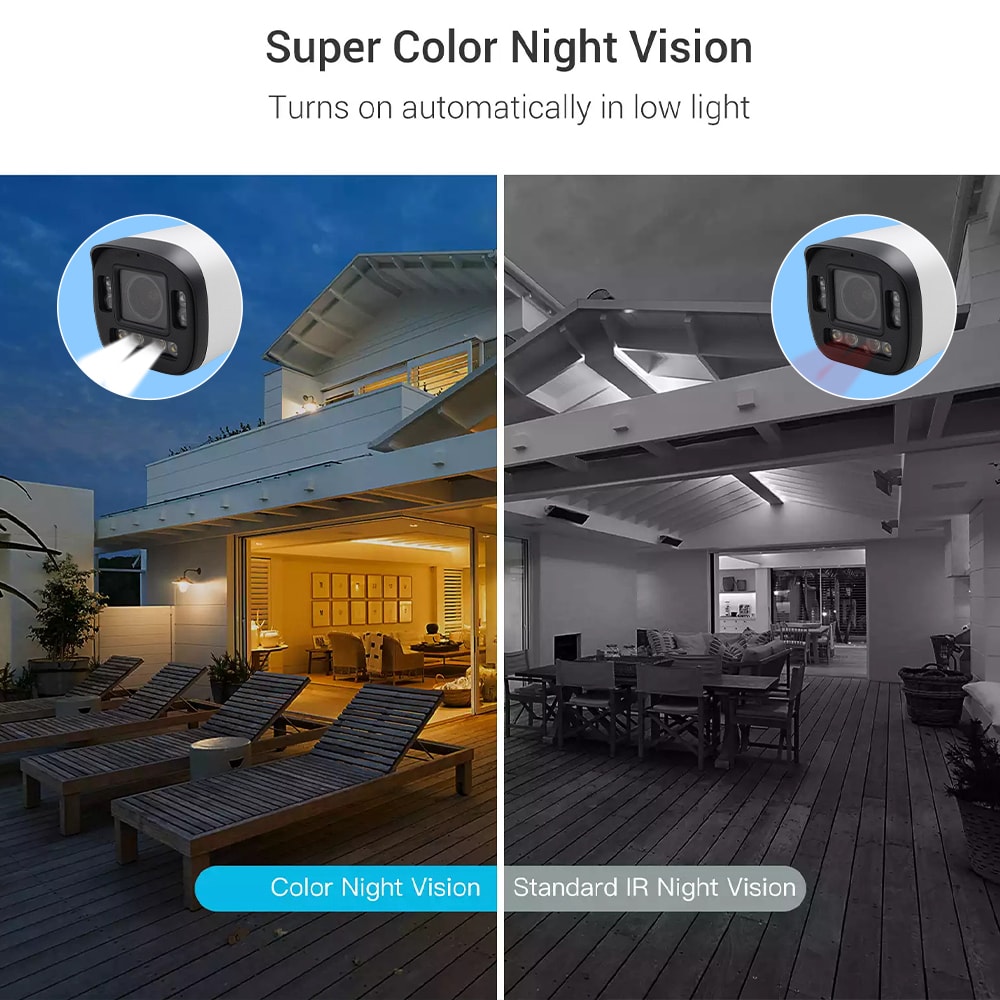
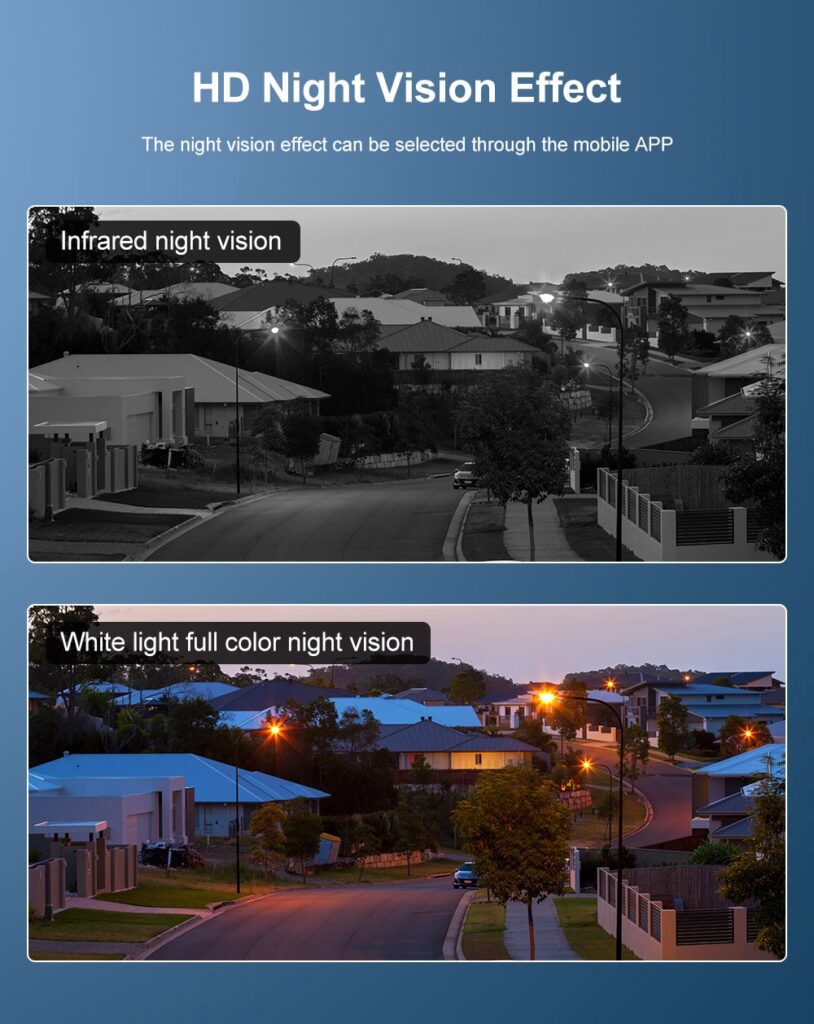
| Night Vision | ❌ N/A | ✅ See visitors in low-light conditions |
| Package Management | ❌ No delivery tracking | ✅ Delivery notifications and coordination |
| Flexible Entry | ❌ Keys or buzz only | ✅ Mobile credentials, PIN, QR codes, biometrics |
| Integration | ❌ Standalone device | ✅ Connects with CCTV, elevators, access control |
| Deterrent Effect | ❌ Minimal | ✅ Visible cameras deter intruders |
| Upgrade Path | ❌ Obsolete technology | ✅ Future-proof with software updates |
Cost Comparison: Upfront vs Long-Term Value
Upfront Costs
On the surface, traditional buzzers appear cheaper. Hardware costs for commercial door buzzer systems run $1,000–$10,000+, with full installation typically ranging $2,000–$15,000. Video intercoms are now comparable in price to audio-only buzzers and offer significantly more security value.
Long-Term Costs and Savings
When you factor in ongoing costs, the picture changes dramatically:
Properties implementing video intercoms typically achieve positive returns within 12–18 months while significantly improving their security profile and resident satisfaction levels.
Bottom line: While the upfront cost of a video door phone may be higher, the long-term savings—from eliminated rekeying, reduced insurance premiums, fewer security incidents, and improved operational efficiency—make it the more cost-effective choice.
Security Statistics: What the Data Says
The numbers tell a compelling story:
Properties with integrated video intercom systems report a 65% decrease in security-related incidents and a 45% reduction in unauthorized access attempts. They also see a 40% decrease in package theft and a 55% reduction in resident complaints about security.
Resident Expectations Are Changing
Modern residents expect more from their building than a simple audio buzzer. The data is clear:
- 84% of residents consider security features as a primary factor in their housing decisions
- 92% of multifamily properties now have intercoms in at least one property
- 90% of multi-dwelling unit owners in the U.S. were planning to deploy, upgrade, or replace a smart building solution in 2025
- Security cameras and access control are two of the top three most desired amenities for multifamily residents, behind only good insulation and soundproofing
- Over a third of respondents would be willing to pay more for smart doorbells with video
- 65% of residents want video doorbell cameras and are willing to pay an additional $49.07 per month for them
Buildings still using conventional buzzers risk falling behind in resident satisfaction and competitive market value. 83% of multifamily residents in units with smart devices report they are satisfied or highly satisfied with their building.
The message is clear: Residents are not just asking for better security—they’re willing to pay more for it.
Retrofitting: Can You Upgrade Without Rewiring?
One of the biggest concerns for building owners is the cost and disruption of installation. The good news? You don’t always need to rewire.
Many older apartment buildings still rely on analog buzzer systems with in-unit wall handsets. Retrofitting usually involves replacing the entrance panel and the calling system, while residents begin receiving video calls through a mobile app rather than a wall unit.
Retrofit options include:
- Wireless systems that use WiFi, cellular networks, or ethernet
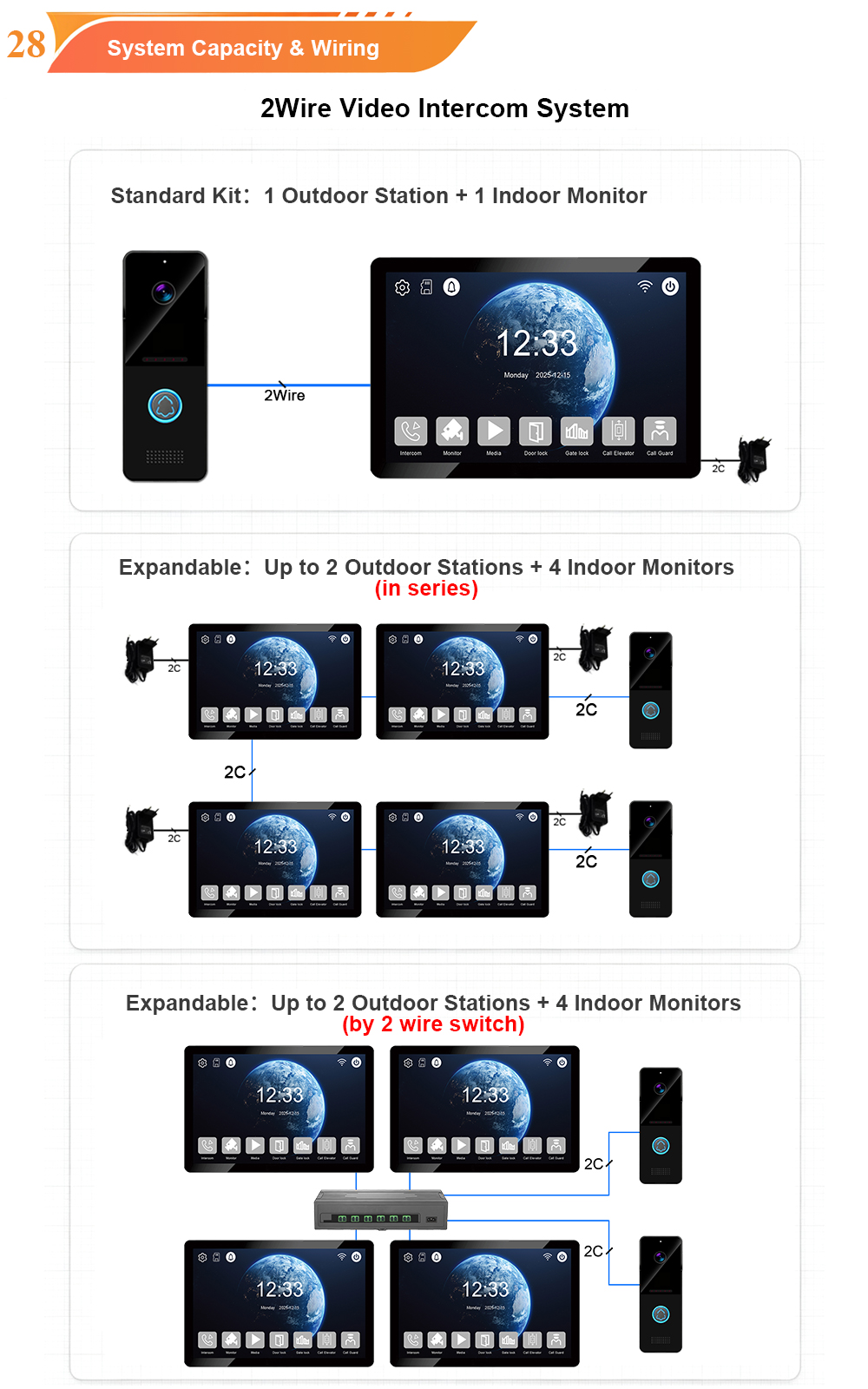
- IP-over-2-wire converters that reuse existing telephone or doorbell wiring
- Mobile-first systems that eliminate the need for in-unit hardware entirely—residents use their smartphones as indoor monitors
Modern video intercoms are designed to be retrofit-friendly. Wireless intercoms can be priced up to $3,000, making them an accessible upgrade path for many buildings.
Key advantage: Unlike traditional wired systems that require extensive cabling, modern wireless smart intercoms are recommended for all new installations—whether upgrading an older system, renovating the building, or building from scratch.
Why FARHD Is a Trusted Partner for Building Upgrades
With over 28 years of industry experience, FARHD is a leading Chinese manufacturer of video door phones and intercom systems that deliver the security and convenience benefits outlined above.
Full In-House R&D and Production: FARHD designs and manufactures everything from TFT LCD screens, driver boards, and camera modules to complete villa and apartment building intercom systems. This end-to-end control ensures quality and seamless integration at every stage.
Comprehensive Product Range:
- Wireless video doorbells
- 4-wire CVBS and AHD video doorbells
- 2-wire IP systems for villas and apartments
- IP-based systems for villas and apartments
- Audio intercom systems
Proven Track Record: FARHD has successfully completed over 10,000 large-scale building video intercom projects, including ultra-large communities with 1,000, 3,000, and even over 5,000 households. Supported by 28 direct sales branches across China, they have the expertise to handle projects of any scale.
Global Reach: FARHD provides SKD semi-knocked-down solutions to assembly factories across Europe, the Middle East, South America, Southeast Asia, the United States, Russia, India, Iran, Turkey, South Korea, and Italy—effectively reducing both production and tariff costs for partners.
International Certifications: Products hold CE, FCC, RoHS, IP65 water resistance, and EMC certifications.
OEM/ODM Services: Comprehensive customization including software and hardware development, UI design, functional module adjustments, and tailored packaging solutions.
After-Sales Support: A dedicated technical support group is established upon product delivery to assist with programming, device installation, and wiring connections throughout the process.
Scale: FARHD serves over 1,000 enterprises worldwide with an annual sales volume of 300,000 units.
When you upgrade from a traditional buzzer to a FARHD video door phone system, you’re not just buying hardware—you’re gaining a long-term partner committed to smart living innovation.
Frequently Asked Questions
Can I upgrade my building’s traditional buzzer without rewiring everything?
Yes. Many modern video intercom systems are designed for easy retrofitting. Wireless systems and IP-over-2-wire converters allow you to reuse existing wiring, and mobile-first solutions eliminate the need for in-unit hardware entirely.
Is a video door phone really more secure than a traditional buzzer?
Yes. Video intercom systems provide visual verification, audit trails, and remote access. Properties with integrated video intercoms report a 45% reduction in unauthorized access attempts and a 65% decrease in security-related incidents.
How much more expensive is a video door phone compared to a traditional buzzer?
While upfront costs for video systems are comparable to or slightly higher than audio-only buzzers, the long-term savings—from eliminated rekeying, reduced insurance premiums, fewer security incidents, and improved operational efficiency—make video intercoms more cost-effective overall.
What happens if a resident loses their phone?
Mobile credentials can be instantly revoked and reissued. Unlike physical keys, lost digital credentials pose no security risk because they are immediately deactivated.
Can contractors get temporary access?
Yes. Modern video intercom systems allow property managers to issue time-bound credentials (PIN codes, QR codes) that automatically expire.
Do video door phones work during a power outage?
Most systems include backup batteries in outdoor stations and fail-safe lock mechanisms (e.g., mechanical key overrides) so that emergency exit and entry remain possible.
What’s the ROI on upgrading to a video door phone?
Properties implementing video intercoms typically see positive returns within 12–18 months—through a 15–20% reduction in security costs, 25–30% decrease in insurance premiums, and 10–15% increase in rental rates.
Conclusion
The verdict is clear: Video door phones are the superior choice for modern multifamily buildings.
Traditional buzzers served their purpose for decades, but they simply can’t meet today’s security and convenience expectations. They offer no visual verification, no remote access, no audit trails, and no integration capabilities. They’re vulnerable to buzzer bombing, require expensive maintenance, and leave residents guessing about who’s at the door.
Video door phones, by contrast, deliver:
- Visual verification—see who’s at the door before letting them in
- Remote access—answer from anywhere, anytime
- Audit trails—complete logs of every entry
- Package management—reduce theft and missed deliveries
- Flexible entry—mobile credentials, PINs, QR codes, and more
- Integration—connect with CCTV, elevators, and access control
- Resident satisfaction—83% of residents in smart buildings are satisfied
And the data speaks for itself: properties with video intercoms report a 65% decrease in security incidents, a 40% decrease in package theft, and residents who are willing to pay more for the security and convenience they provide.
The global video intercom market is growing rapidly—projected to reach $6.00 billion by 2030—and multifamily properties are leading the adoption. The question isn’t whether to upgrade, but when.
Ready to upgrade your building from a traditional buzzer to a modern video door phone system? Contact FARHD for a customized solution tailored to your property’s needs.
This guide is brought to you by FARHD—your partner in smart video intercom solutions for multifamily properties worldwide.

About the Author: S & Y Internet Technology Inc.
S & Y Internet Technology Inc. is a professional installation and repair service provider based in Flushing, New York. Our expert team provides door-to-door installation and maintenance within a 100 km radius, ensuring quick response and high-quality results for every project — whether residential, commercial, or specialized.

Install & Repair Services
You May Also Interest
-
RFID vs QR Code vs Mobile App: Comparing Access Methods for Residential Buildings
Choosing the right access method for your apartment building or gated community is a decision that affects security, convenience, cost, and resident satisfaction. RFID cards, QR codes, and mobile apps each have distinct strengths and weaknesses. This guide compares them side by side—so you can make an informed choice for your next project. In modern…
-
Tuya vs Smart Life: Which App Is Better for Your Video Door Phone?
A practical comparison to help you choose the right app for your smart intercom system If you’ve recently purchased a FARHD video door phone, you’ve probably noticed that the product documentation mentions two apps: Tuya Smart and Smart Life. This immediately raises a common question: which one should you actually use? Are they different? Does…
-
Touch Screen vs Non-Touch Video Intercom Monitors: Which Is Better for Residents?
When specifying a video intercom system for an apartment building, villa, or residential community, one question often divides decision-makers: should the indoor monitor have a touch screen or physical buttons? Both options have passionate advocates. Both have real advantages. And both can be the wrong choice if they don’t match the needs of the residents…
-
How to Upgrade an Old Apartment Intercom to IP Without Rewiring: Step-by-Step
Upgrading an old apartment intercom to a modern IP system no longer requires tearing down walls, replacing every cable, or disrupting residents for weeks. With the right retrofit technology, you can deliver full IP functionality—video calling, mobile access, remote management—using the existing 2-wire cabling already inside your building. This step-by-step guide shows you how. Many…