Video Door Phone vs Traditional Doorbell: Why Smart Intercom Systems Are Replacing Old Doorbells
Share
The front door isn’t what it used to be. That simple knock now comes with notifications, cameras, apps, and way too many product comparisons. The real question is: what actually fits your space and your needs?
Walk down any residential street today and you’ll notice the change. Sleek video intercom panels are appearing where brass buttons used to live. The humble doorbell—a device essentially unchanged in form for a century—is quietly being replaced. But what’s driving this shift? And why are homeowners, property developers, and building managers choosing video intercom systems over traditional doorbells?
The numbers tell a clear story. The global smart home security market is growing rapidly—from $37.84 billion in 2025 to $44.2 billion in 2026 at a CAGR of 16.8%. The smart doorbell market alone is projected to grow from $4.9 billion in 2025 to $9.45 billion by 2031. More significantly, the video intercom devices market is projected to grow by USD 54.23 billion at a CAGR of 12.51% by 2032. This isn’t just a trend—it’s a fundamental shift in how we think about entry security.
What Is a Traditional Doorbell?
A traditional doorbell—also known as a door buzzer, call box, or audio intercom—is the entry system that has been a staple of residential and multifamily buildings for decades. It allows visitors to announce their presence by pressing a button, triggering a buzzer or chime inside the building. In apartment settings, residents can speak with the visitor and press a button to unlock the door.
The key limitation? These systems are audio-only. Residents can hear visitors but cannot see them. And they require residents to be physically present in their apartment to answer and grant access.
What Is a Video Door Phone System?
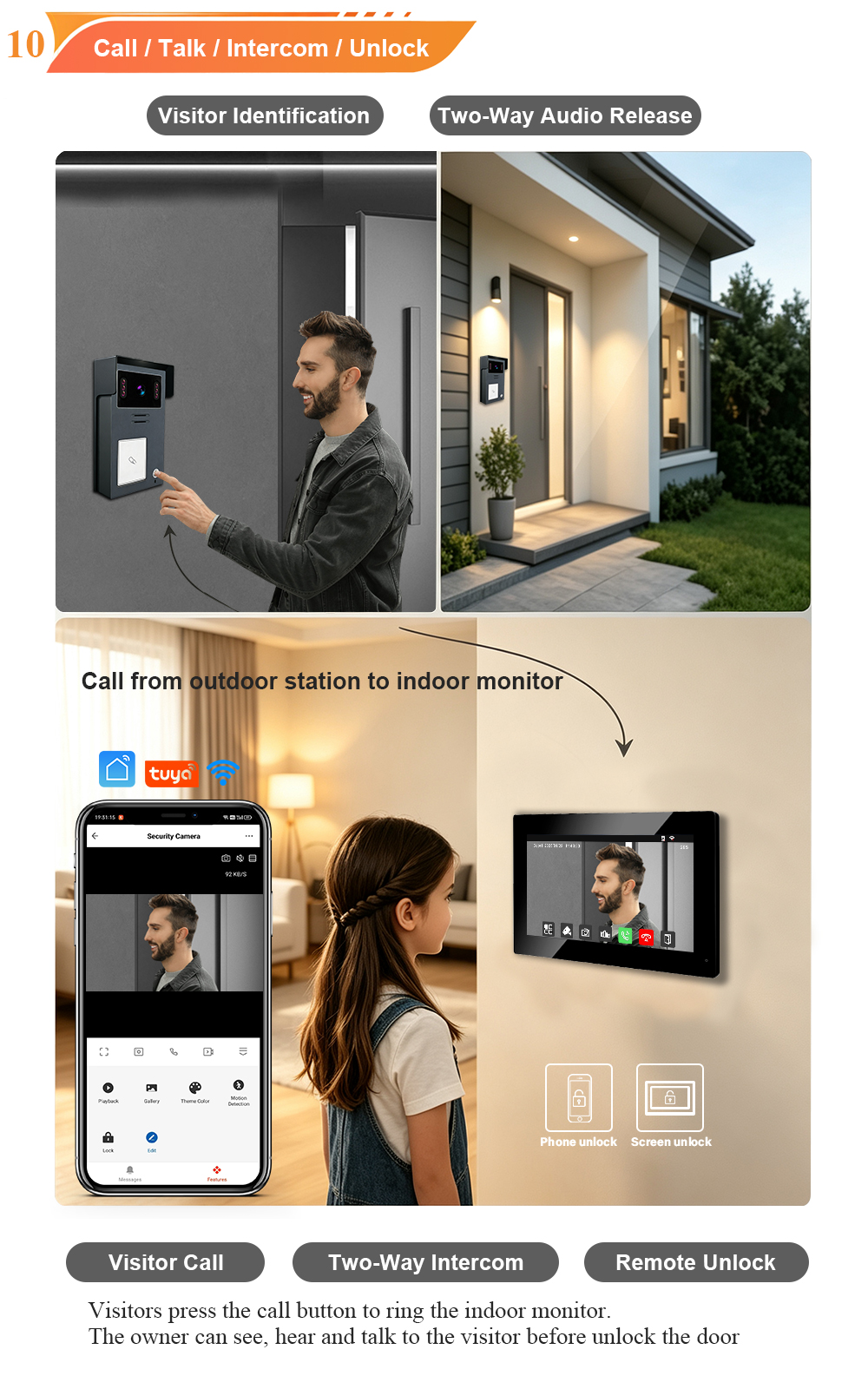
A video door phone system—also called a video intercom, video door entry system, or smart intercom—is a modern evolution of the traditional doorbell. It allows residents to see, speak with, and remotely unlock doors for visitors using HD video calls. Unlike traditional buzzers, video door phones transmit a live visual feed alongside audio. This allows for robust security verification, as cameras capture visitors’ faces even if they don’t speak.
Modern video intercom systems typically include:
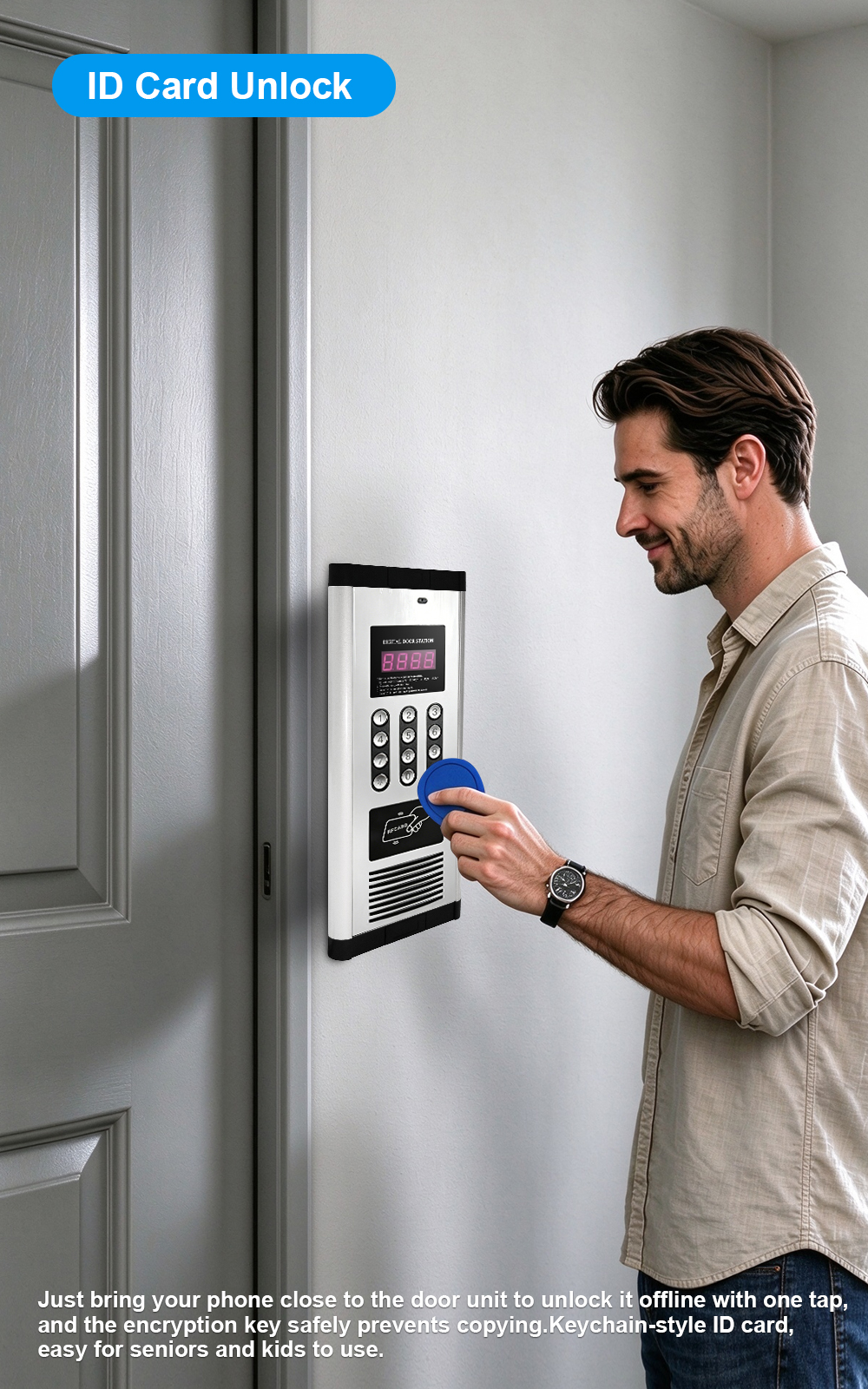
- Outdoor door station – Camera, microphone, speaker, call buttons, and often a card/fob reader or keypad at the entrance
- Indoor monitor – Wall-mounted touchscreen display inside each residence
- Mobile app – Allows residents to answer calls, view visitors, and unlock doors from anywhere
- Door lock controller – Electrically releases the door lock upon the resident’s command
The Limitations of Traditional Doorbells
Before understanding why video intercoms are winning, it’s important to recognize why traditional doorbells are increasingly seen as outdated.
1. No Visual Verification – Without video, residents can’t confirm who’s at the door. They must rely only on voice recognition, which can be misleading. In multi-unit buildings with high visitor traffic, this lack of visibility makes it harder to prevent unauthorized access.
2. No Remote Access – Residents must be physically present to grant entry. This is inconvenient when expecting a visitor while away from home or unable to get to the buzzer quickly.
3. No Recording – Traditional doorbells don’t have built-in cameras, so they cannot record any footage of visitors. If something goes wrong, there’s no record to fall back on.
4. Limited Communication – Traditional doorbells don’t offer two-way audio communication, which means you can’t speak to visitors without opening the door.
5. Inconvenient for Modern Lifestyles – Traditional systems require residents to be physically present or near their in-unit station to respond. In today’s busy world, this simply doesn’t work.
Why Video Intercoms Are the Clear Winner
Video intercom systems address every limitation of traditional doorbells while adding capabilities that modern residents and property managers expect.
🔍 See Who’s There – Always
A video intercom system transmits a live visual feed alongside audio. This allows for robust security verification, as cameras capture visitors’ faces even if they don’t speak. Whether it’s a delivery driver, a guest, or a stranger, residents can see exactly who is at the door before deciding to engage.
📱 Answer from Anywhere
Video intercoms allow residents to answer calls, visually verify visitors, and grant access remotely from anywhere in the world. No more rushing to the door or missing deliveries because you’re not at home.
🎥 Record Everything
Unlike traditional doorbells, video intercoms record visitor activity. Systems can store snapshots and footage locally or in the cloud. If something goes wrong, you have solid evidence to fall back on—not guesswork.
🔐 Integrated Access Control
A video intercom system can not only answer the door, but it has the ability to unlock it as well. This integration with electronic locks creates a complete entry management solution—not just a notification device.
🏗️ Built for Real Security
Video doorbells are typically installed with one or two simple screws and are easily removed or damaged. A video intercom system, by contrast, comes in a strong weatherproof and vandal-resistant enclosure. Video intercoms can be hard-wired, so visitors and calls will not be missed, even when the internet is down or slow.
Video Doorbell vs Video Intercom: Key Differences
| Feature | Traditional Doorbell / Smart Doorbell | Video Intercom System |
|---|---|---|
| Visual verification | ❌ No (audio-only) / ✅ Yes (app-based) | ✅ HD video on dedicated screen |
| Remote access | ❌ No / ✅ Yes (app-based) | ✅ Yes (app + indoor monitor) |
| Recording | ❌ No / ✅ Cloud clips | ✅ Local + cloud options |
| Unlock capability | ❌ No | ✅ Yes, integrated |
| Indoor monitor | ❌ No | ✅ Yes (7-10 inch screens) |
| Weatherproof | ❌ Limited | ✅ IP65 rated |
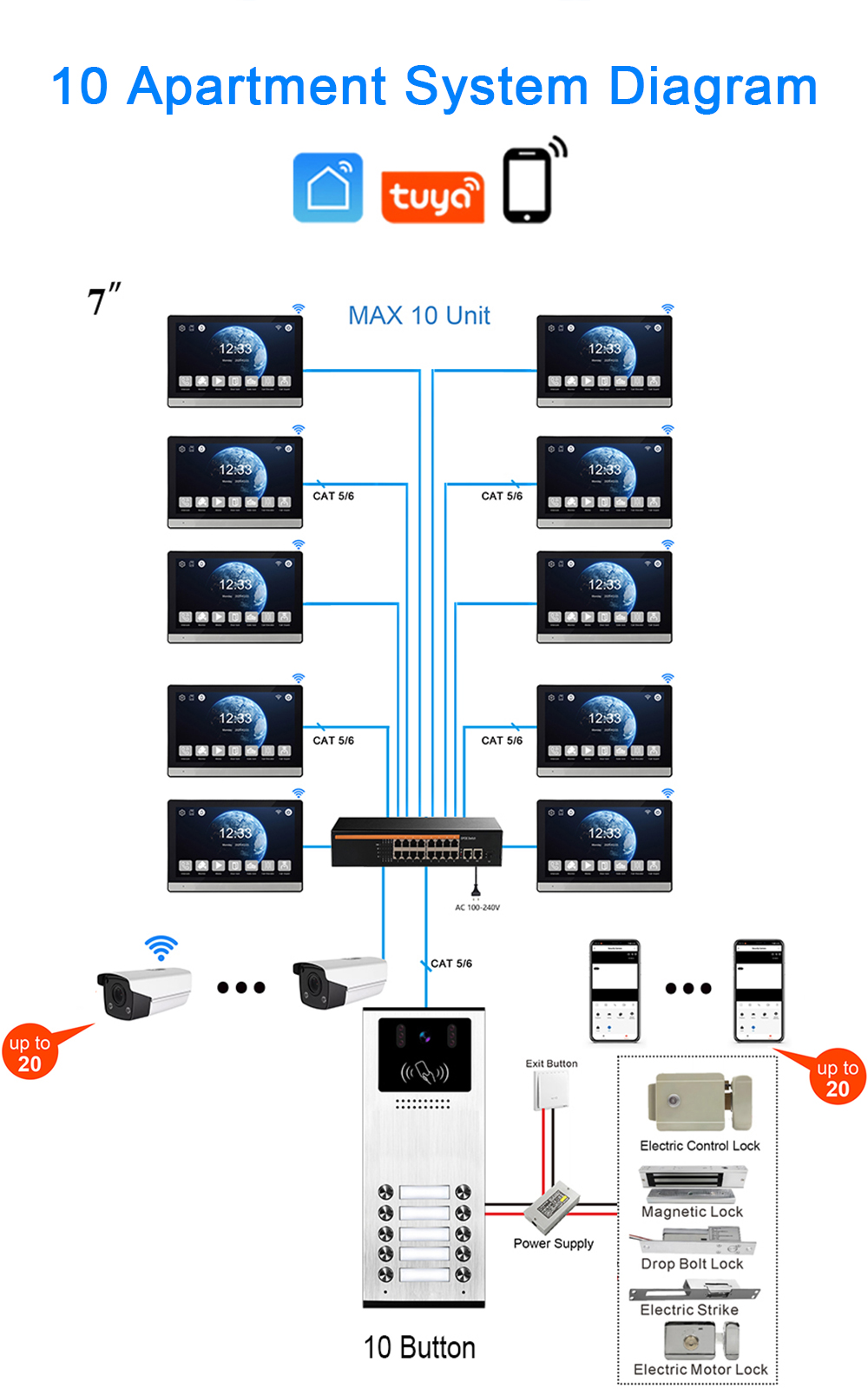
| Wired reliability | ❌ Wi-Fi dependent | ✅ PoE / hardwired options |
| Multi-user | ❌ Limited | ✅ Multiple indoor monitors |
| Integration | ❌ Limited | ✅ Locks, CCTV, elevators, alarms |
One is light, wireless, and phone-first. The other is heavier-duty, usually hardwired, and works like a small security command centre.
Real-World Benefits for Different Users
For Homeowners
A video door phone feels different the moment you use it on a proper indoor screen. An elderly parent doesn’t have to squint on a phone. They don’t have to shuffle to the door. They can just look up and decide.
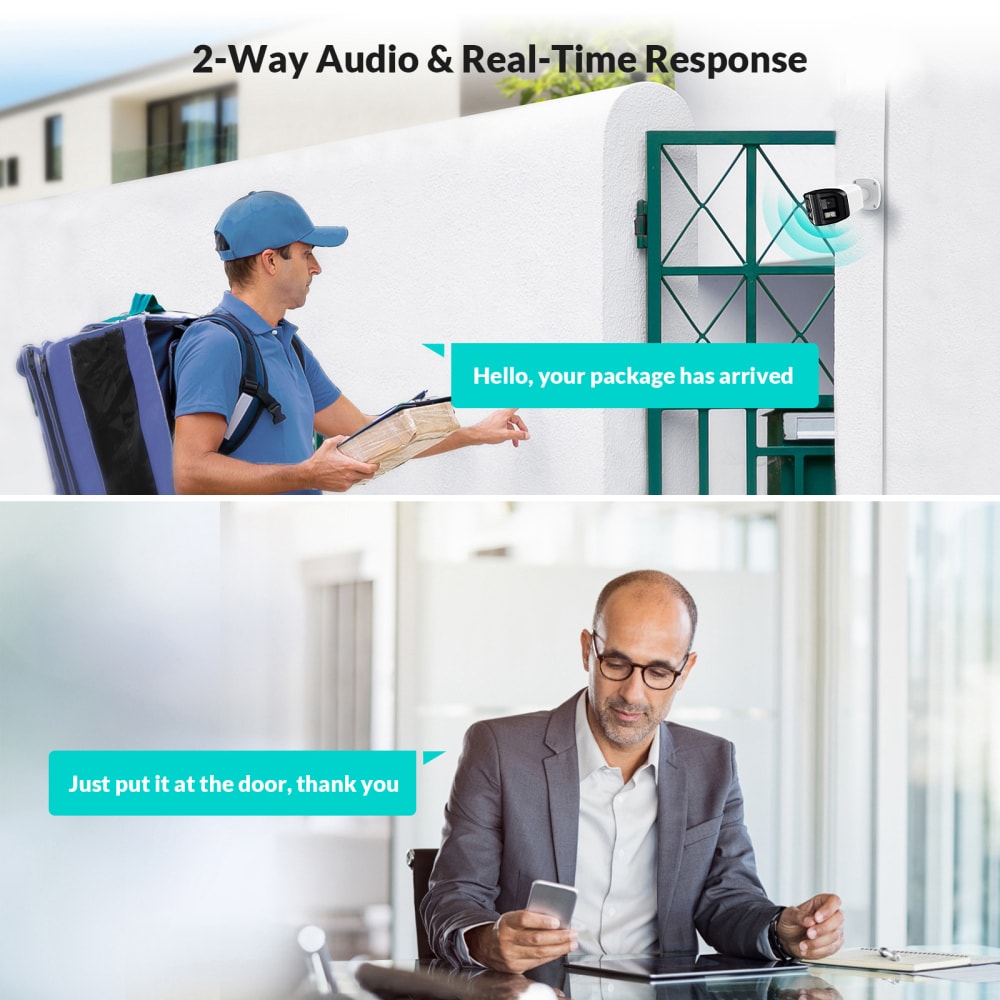
Package delivery is another major factor. The average suburban household receives more than 200 deliveries a year. A video intercom with two-way audio gives homeowners the option to direct couriers and record footage at proper HD resolution.
For Apartment Buildings
Video intercom systems are becoming increasingly popular in buildings with multiple tenants due to their ability to sync with the cloud. They allow property managers to:
- Manage access centrally
- Provide remote entry for deliveries
- Reduce tenant complaints about access issues
- Create audit trails of visitor activity
Upgrading your intercom isn’t just about security. It can dramatically cut tenant complaints and free staff from time-consuming access management tasks.
For Property Developers
As residential projects become larger, denser, and more digitally managed, developers are positioning video intercoms as connected platforms for access, communication, and security. A modern video intercom system adds significant property value and marketability.
Retrofitting: Can You Upgrade Without Rewiring?
One of the biggest concerns about upgrading from a traditional doorbell is the perceived need for extensive rewiring. The good news: many video intercom systems are designed for easy retrofitting.
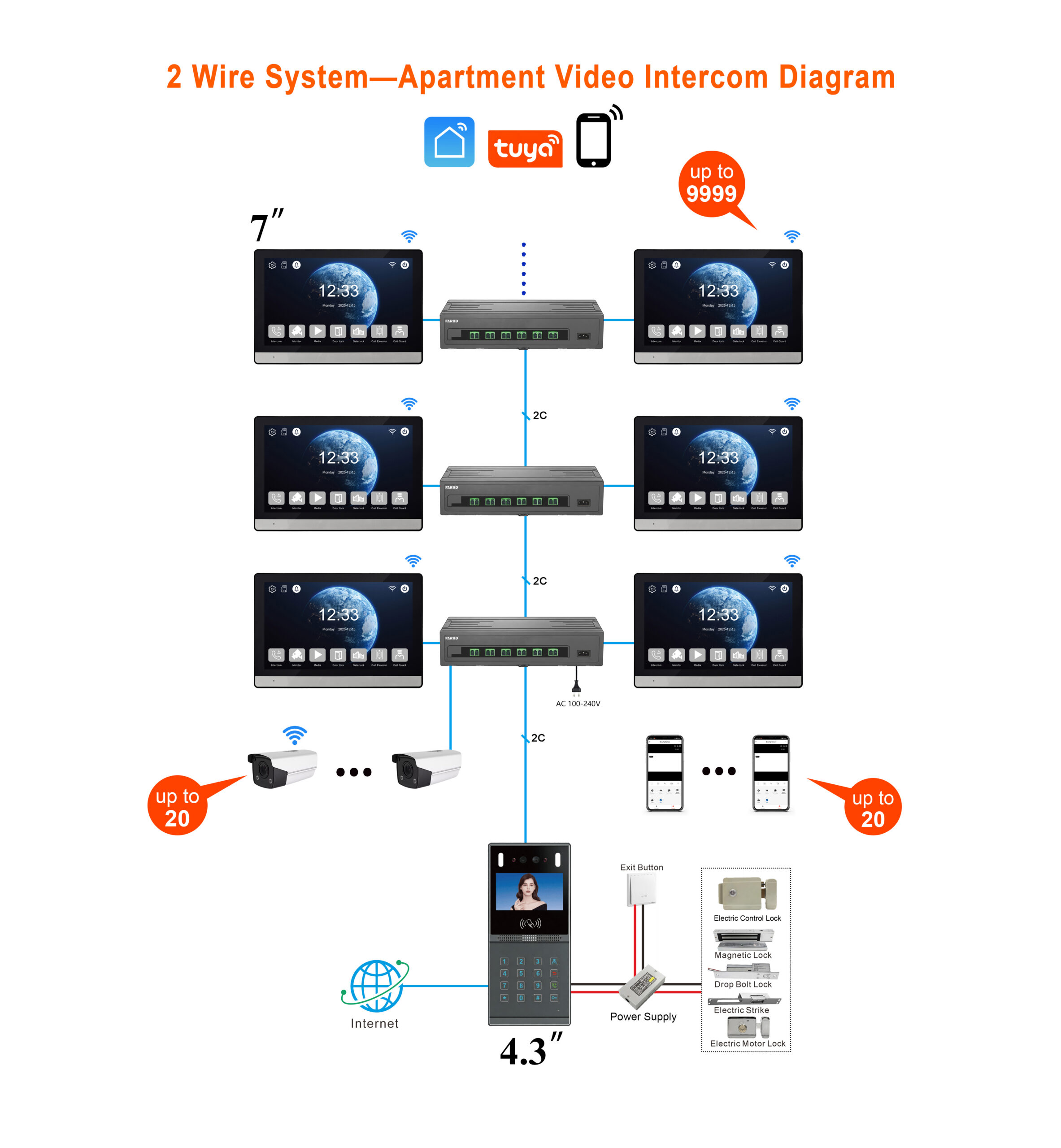
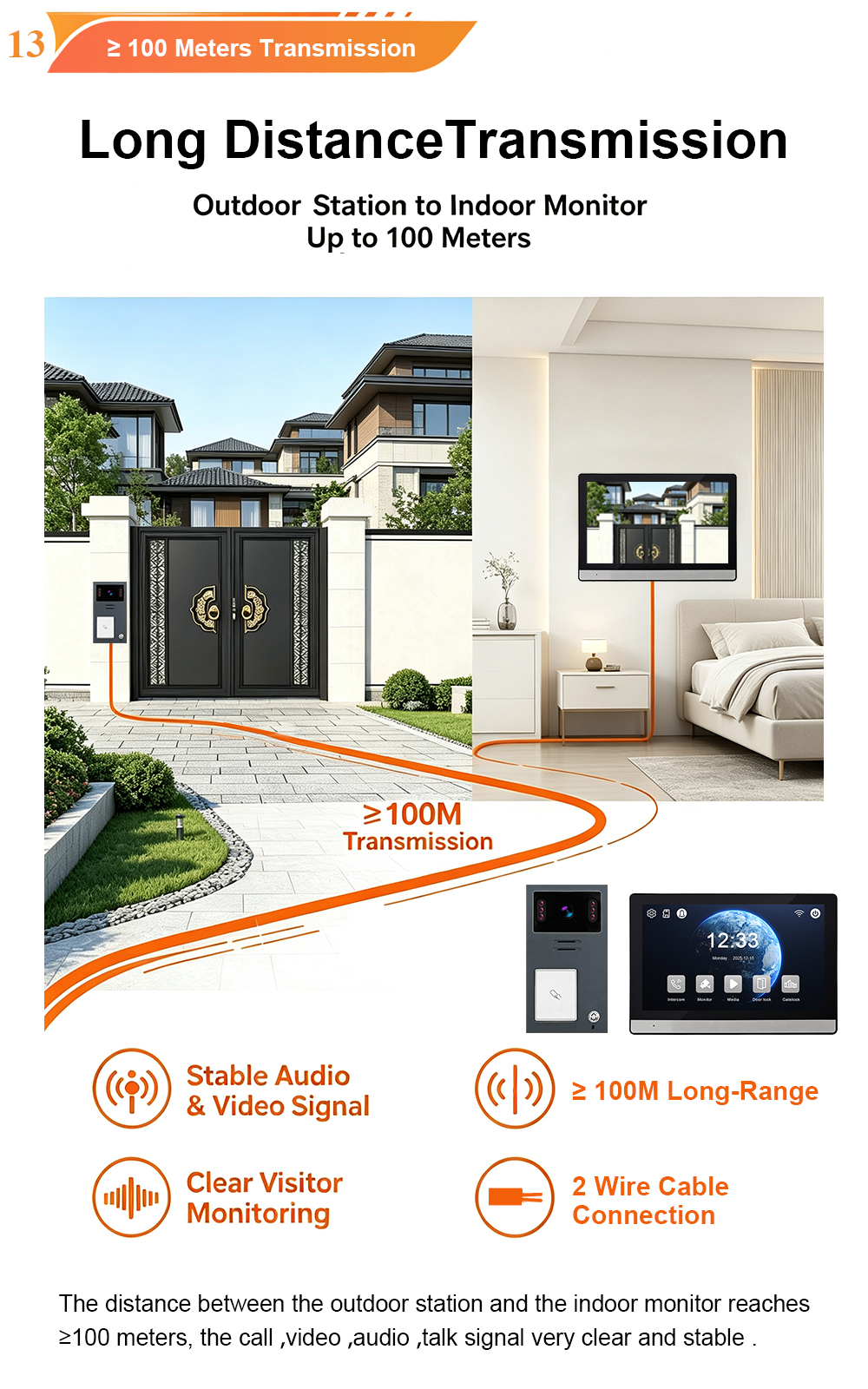
2-wire technology, for example, allows you to reuse existing two-core cables—old doorbell, intercom, or telephone wires—so you may not need to run any new cables at all. This means:
- No wall damage – Perfect for retrofitting occupied buildings
- No new cabling – Use what’s already in your walls
- Minimal disruption – Upgrade in hours, not days
The FARHD Advantage
FARHD is a professional OEM/ODM manufacturer with over 28 years of experience in video intercom R&D and manufacturing. Since 1998, we have been delivering high-quality video door phone systems and one-stop solutions to clients worldwide.
What sets FARHD apart:
- Full product range – 4-wire CVBS, 4-wire AHD, 2-wire, IP, SIP, and wireless systems
- Source factory – Competitive pricing, full quality control
- OEM / ODM ready – Custom logo, packaging, and software language available
- Global reach – Serving clients in over 90 countries
- No MOQ for trial orders – Start with a sample; scale as you grow
- Rugged durability – IP65 weatherproof, -40°C to +70°C operating range
Conclusion: The Doorbell Is Dead. Long Live the Video Intercom.
The traditional doorbell served its purpose for decades. But in today’s world—where security, convenience, and connectivity are non-negotiable—it simply doesn’t measure up.
A video intercom isn’t just an enhanced doorbell. It’s a complete entry management system that combines HD video, two-way audio, remote access, recording, and access control integration. Whether you’re a homeowner, property manager, or developer, the shift from doorbells to video intercoms isn’t just an upgrade—it’s a necessity.
The front door is no longer just an entry point. It’s a connected platform for access, communication, and security.

About the Author: S & Y Internet Technology Inc.
S & Y Internet Technology Inc. is a professional installation and repair service provider based in Flushing, New York. Our expert team provides door-to-door installation and maintenance within a 100 km radius, ensuring quick response and high-quality results for every project — whether residential, commercial, or specialized.

Install & Repair Services
You May Also Interest
-
Video Intercom Power Supply Options Explained: PoE, 2-Wire, Battery and Solar
Video intercom power supply is not a single decision. It is a cascade of decisions that begins with the building’s existing wiring and ends with how much maintenance the owner is willing to accept over the system’s life. PoE, 2-wire, battery, and solar are not four variations of the same solution. They serve different installation…
-
Video Intercoms for Historic Buildings: How to Modernize Access Without Damaging Heritage Architecture
The Governing Constraint: Fabric First, Technology Second Conservation regulations in most heritage jurisdictions prohibit visible cables, surface-mounted conduits, and devices that would alter the character of the building. Drilling into stone façades, ornate woodwork, or antique brickwork is treated as permanent damage, not a maintenance task. This means the technology stack must be chosen not…
-
From Inquiry to Installation: A Buyer’s Journey for Apartment Video Intercom Projects
Sourcing a video intercom system for an apartment building is a multi-stage process. It begins with a simple inquiry and ends with a fully operational system protecting residents and streamlining access. For distributors, system integrators, and property developers, understanding this journey is essential to avoiding delays, cost overruns, and installation headaches. This guide walks you…
-
How to Evaluate Video Intercom Suppliers: Quality, Certifications, and After-Sales Support
Choosing the right video intercom supplier is not just a purchasing decision—it is a long-term partnership that affects your product quality, your margins, and your reputation. This guide explains how to evaluate suppliers on three critical dimensions: quality, certifications, and after-sales support. In the global video intercom market, hundreds of suppliers claim to be manufacturers….