Why 90% of Multifamily Owners Are Upgrading Their Intercom Systems in 2026
Share
Quick Navigation
- The Numbers Don’t Lie: A Massive Upgrade Wave Is Underway
- Reason 1: Legacy Systems Are Actively Costing You Money
- Reason 2: Resident Expectations Have Fundamentally Changed
- Reason 3: Technology Has Made Upgrades Affordable and Non-Disruptive
- Reason 4: The Shift from Analog to IP Is Now Industry-Wide
- Reason 5: AI and Smart Features Are No Longer “Nice-to-Have”
- Reason 6: Cloud Management Cuts Operational Overhead
- Reason 7: Integration Creates a Unified Security Ecosystem
- Reason 8: The Retrofit Revolution Makes Upgrades Faster and Cheaper Than Ever
- What This Means for Your Property
- Frequently Asked Questions
The Numbers Don’t Lie: A Massive Upgrade Wave Is Underway
Nearly 90% of multi-dwelling unit (MDU) owners and operators in the U.S. are planning to deploy, upgrade, or replace a smart building solution—and intercom systems are at the top of that list.
The data tells a clear story. The global Video Intercom Devices Market is projected to reach **$26.67 billion in 2026** and continue growing at a CAGR of **12.51%**, reaching $54.23 billion by 2032. Some estimates place the market as high as $66 billion in 2026, with an 11.8% CAGR through 2034.
Meanwhile, 92% of multifamily properties now have intercoms or call boxes in at least one property, and over 68% of multi-dwelling residential complexes have adopted video intercom devices.
But here’s the critical insight: the market isn’t just growing—it’s transforming. The video intercom devices landscape is shifting from analog wiring and proprietary panels toward IP-based, cloud-managed, and mobile-first systems. This isn’t incremental change; it’s a structural shift in residential and commercial security infrastructure.
So why are so many multifamily owners making the leap right now? Here are the eight reasons driving this unprecedented upgrade wave.
Reason 1: Legacy Systems Are Actively Costing You Money
Many property owners assume their old intercom system is “working fine.” But the reality is often different. Legacy systems carry hidden costs that drain budgets month after month.
The problem with old systems:
- Frequent repairs – Aging components fail regularly, requiring service calls
- Manual processes – Staff spend hours managing access, resetting codes, and handling visitor issues
- Lost credentials – Replacing lost fobs and keys adds up
- Missed deliveries – Without remote access, packages pile up and residents complain
- Outdated directories – Updating resident names requires physical work
“A cheap intercom system may fail within a few years, whereas a more expensive, higher-quality system can cost more upfront but will last longer, saving money in the long run”.
At scale, these hidden costs often translate into thousands of dollars in avoidable maintenance and administrative costs each year across multifamily portfolios.
The upgrade payoff: Modern IP systems eliminate most of these costs through remote management, digital credentials, and cloud-based administration. One upgrade can dramatically cut tenant complaints and free staff from time-consuming access management tasks.
Reason 2: Resident Expectations Have Fundamentally Changed
Today’s renters expect more than a crackly voice from a speaker box. The modern resident wants visual verification and the ability to manage visitors from their smartphones.
What renters actually want:
- 89% of apartment residents say letting delivery drivers in remotely via their phone would be helpful
- 79% get stressed waiting for deliveries without a way of letting people into the building
- Security cameras and access control are two of the top three most desired amenities for multifamily residents—behind only good insulation and soundproofing
“Residents keep sharing gate PINs. Delivery drivers stack up at the entrance. … That’s when a building intercom system stops being a maintenance line item and becomes an operations problem”.
Modern residents also expect frictionless entry. Smartphone-only deployments are now mainstream—saving 60%+ on hardware costs in tower projects. And residents are willing to pay for it: 65% of renters are willing to pay extra monthly rent for smart-home features.
The upgrade payoff: A modern video intercom system is a resident retention tool. Properties with smart technologies report higher satisfaction rates and better renewal numbers.
Reason 3: Technology Has Made Upgrades Affordable and Non-Disruptive
One of the biggest barriers to upgrading has always been cost and disruption. Running new cables through concrete walls can cost tens of thousands of dollars and take weeks.
That barrier has been eliminated.
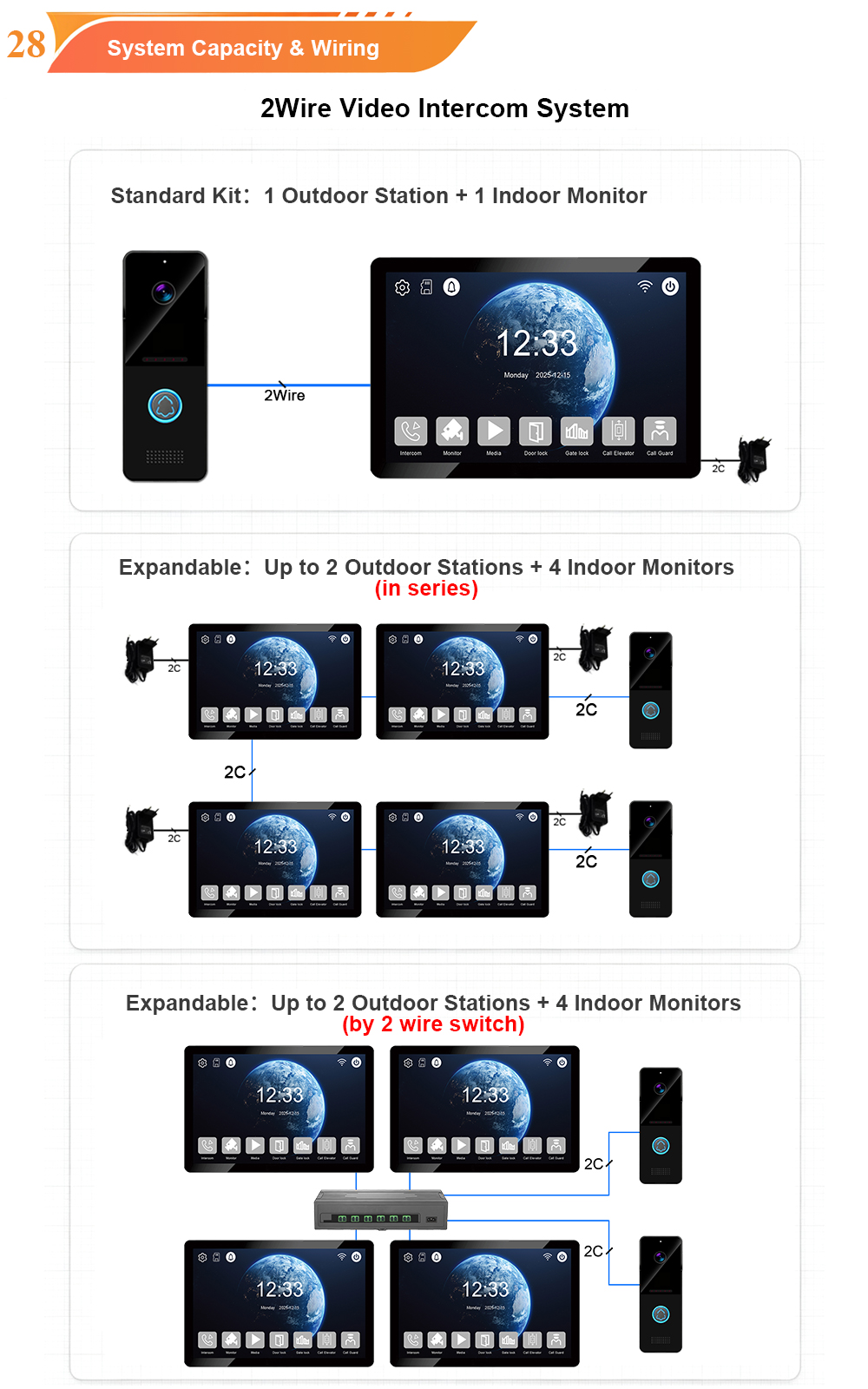
Today’s 2-wire IP retrofits allow buildings to upgrade to a modern video intercom system using existing two-wire cabling. In 90% of cases, modern 2-wire converters can reuse existing cabling—saving the cost of running new Cat6 Ethernet cables to every apartment.
What this means in practice:
- 40–60% savings on labor and material costs compared to full rewiring
- Installation in days, not weeks
- Minimal disruption to residents
- Full IP features—HD video, mobile app, remote management—on legacy infrastructure
“In many cases, the better path is a modern retrofit that keeps the existing gate operator, electric strike, or entry hardware in place while adding cloud-based access control, remote management, and smartphone-based entry”.
Retrofit upgrades are often faster, less disruptive, and more cost-effective than installing a completely new intercom system.
Reason 4: The Shift from Analog to IP Is Now Industry-Wide
The intercom industry is undergoing a fundamental transformation. The global market is shifting decisively from analog wiring toward IP-based, cloud-managed, and mobile-first systems.
Why this matters:
| Feature | Analog Systems | IP Systems |
|---|---|---|
| Video Quality | 0.3MP (grainy) | 2–8MP HD/Full HD |
| Mobile Access | ❌ No | ✅ Yes |
| Remote Management | ❌ No | ✅ Yes |
| Audit Trails | ❌ None | ✅ Complete logs |
| Scalability | Up to 4 doors | Thousands of units |
| Integration | None | Access control, CCTV, elevators |
As one industry expert notes, “The video intercom devices landscape is shifting from analog wiring and proprietary panels toward IP-based, cloud-managed, and mobile-first systems”. Property managers increasingly prefer solutions that support remote unlocking, centralized administration, audit trails, and integration with access control, video management systems, alarms, elevators, and smart-home platforms.
The upgrade payoff: IP systems offer stronger long-term value. While analog systems have lower upfront costs, they can’t deliver the features and scalability that modern buildings require.
Reason 5: AI and Smart Features Are No Longer “Nice-to-Have”
Artificial intelligence is compounding the value of video intercom devices by improving event detection, reducing nuisance alerts, and enabling faster decision-making at the point of entry.
What AI brings to modern intercoms:
- Person, package, and vehicle detection – Know exactly what triggered the camera
- Tailgating behavior detection – Identify unauthorized individuals following someone through a door
- Loitering and tampering alerts – Proactive security monitoring
- Edge AI processing – Runs on the device itself, reducing bandwidth, latency, and exposure of sensitive footage
- Better image quality – AI-ISP technology for clearer visuals in low-light conditions
Hikvision’s TalkVu series, for example, combines 4 MP imaging with AI-powered audio optimization and multi-modal access control supporting facial recognition, access cards, PIN codes, Bluetooth, QR codes, and mobile app authorization.
AI-powered video analytics and facial recognition are increasingly being integrated into video intercom systems. These aren’t futuristic features—they’re available today and quickly becoming standard.
The upgrade payoff: AI features transform an intercom from a passive communication device into an active security tool that detects threats, reduces false alerts, and provides actionable intelligence.
Reason 6: Cloud Management Cuts Operational Overhead
Cloud-based intercom systems are revolutionizing how properties manage access.
What cloud management enables:
- Remote unlocking – Grant access from anywhere
- Centralized administration – Manage all entry points from one dashboard
- Audit trails – Complete logs of who entered and when
- Digital directories – Update resident names instantly
- No on-site servers – Lower IT infrastructure costs
- Automatic updates – Security patches and feature improvements delivered remotely
“Staff can issue and revoke digital access without chasing physical devices… Managers can review who had access and when, instead of guessing which shared code was used”.
Cloud intercom systems tend to have lower upfront costs—there’s no need for local servers or extensive on-site control equipment. Updates are handled through software rather than physical upgrades, helping control long-term expenses for growing or multi-property portfolios.
The upgrade payoff: Cloud management reduces staff workload, eliminates manual processes, and provides visibility that legacy systems simply cannot match.
Reason 7: Integration Creates a Unified Security Ecosystem
Today’s intercoms don’t operate in isolation. They’re part of a broader access stack that can connect gate operators, electronic locks, resident credentials, visitor approvals, and admin permissions into one workflow.
Modern integration capabilities:
- Access control integration – Forward entry events to the same platform managing fob readers and keypad entries
- Video management systems – Feed intercom video into building surveillance
- Elevator control – Restrict visitors to authorized floors only
- Smart-home platforms – Connect with lighting, climate, and automation systems
- Visitor management software – QR codes, PIN credentials, and mobile credentials
“The convergence of video intercoms with smart doorbells, biometric readers, QR and PIN credentials, mobile credentials, and visitor management software” is a major market trend.
The upgrade payoff: Integration turns a standalone intercom into the central hub of a building’s security ecosystem, creating a seamless experience for residents and property staff alike.
Reason 8: The Retrofit Revolution Makes Upgrades Faster and Cheaper Than Ever
Perhaps the most powerful driver of the 2026 upgrade wave is the retrofit revolution—the ability to modernize an intercom system without tearing the building apart.
Key retrofit technologies in 2026:
2-Wire IP Retrofit
The most popular approach. Reuses existing two-wire cabling to deliver full IP features. 2-wire IP network adaptors provide a convenient way to upgrade analog intercom systems without rewiring.
5G Video Intercoms
DoorBird’s D31x series features the world’s first IP video intercom systems with integrated 5G technology. These models eliminate the need for complex retrofitting of network cabling entirely, significantly simplifying installation while reducing costs. The series is specifically developed for multi-occupancy residential buildings and large building complexes with up to 3,000 units.
Cellular (4G/LTE) Solutions
Perfect for buildings without network infrastructure. The 2N LTE Verso is ideal for quick replacement of outdated intercoms in retrofit projects.
The result: Most retrofit projects cost $6,000 to $40,000 per entrance, plus $2 to $8 per unit/month for software—a fraction of the cost of a full rewire.
The upgrade payoff: The retrofit revolution means any building can modernize, regardless of age or existing infrastructure. No more excuses.
What This Means for Your Property
The upgrade wave isn’t slowing down. Here’s what the numbers tell us about the road ahead:
Regional dynamics are also driving upgrades:
- North America remains a strong replacement and upgrade market, supported by multifamily modernization, cloud access control, and high smartphone usage
- Europe leads apartment and building intercom modernization
- Asia Pacific is growing through urban residential security adoption
The bottom line: The shift from analog to IP-based systems represents a fundamental change in capability and functionality. Intercom systems are moving from stand-alone door stations to connected security platforms that combine IP video, two-way audio, mobile access, cloud management, and electronic door release.
Buildings that upgrade now gain a competitive advantage in attracting and retaining residents. Those that wait risk being left behind.
Frequently Asked Questions
Why are so many multifamily owners upgrading their intercoms in 2026?
The upgrade wave is driven by eight factors: hidden costs of legacy systems, changed resident expectations, affordable retrofit technology, the industry-wide shift from analog to IP, AI and smart features becoming standard, cloud management cutting operational overhead, integration creating unified security ecosystems, and the retrofit revolution making upgrades faster and cheaper than ever.
What’s driving the video intercom market growth?
The market is being shaped by urbanization, multifamily housing density, hybrid work, and the need for safer visitor verification across residential and commercial properties. Security awareness, smart-home adoption, multi-tenant access modernization, and demand for remote visitor verification are all fueling growth.
How much does a video intercom upgrade cost in 2026?
Most retrofit projects cost $6,000 to $40,000 per entrance, plus $2 to $8 per unit/month for software. For a mid-size multifamily property with multiple entry points, budget $8,000–$25,000+ depending on infrastructure and integration requirements.
Can I upgrade my intercom without rewiring?
Yes. In 90% of cases, modern 2-wire converters allow you to reuse existing cabling, saving the cost of running new Ethernet cables to every apartment. 2-wire IP retrofits deliver full IP features—HD video, mobile app, remote management—on legacy infrastructure.
What’s the difference between analog and IP intercoms?
Analog systems use dedicated wiring and offer basic communication with no mobile access. IP systems run over the building’s network, enabling mobile app access, cloud management, integration, and scalability. The industry is shifting decisively from analog to IP.
Do residents actually want smart intercom features?
Yes. Security cameras and access control are two of the top three most desired amenities for multifamily residents. 89% of apartment residents say letting delivery drivers in remotely would be helpful.
How long do modern intercom systems last?
Wired IP systems typically last 15–25 years with proper maintenance. Cloud-based systems receive software updates that extend their useful life and add new features over time.
What’s the ROI on upgrading?
Properties implementing modern intercom systems typically achieve positive returns within 12-18 months through reduced staffing costs, eliminated rekeying, lower insurance premiums, fewer security incidents, and higher resident retention.
Conclusion
The numbers are clear: Nearly 90% of multifamily owners are upgrading their intercom systems in 2026. The global video intercom market is valued at $26.67 billion and growing at 12.51% CAGR. 92% of properties now have intercoms, and the shift from analog to IP is accelerating rapidly.
The eight drivers of this upgrade wave are:
- Legacy systems are costing you money – hidden maintenance, manual processes, and lost credentials
- Resident expectations have changed – visual verification and mobile access are now expected
- Technology has made upgrades affordable – 2-wire IP retrofits deliver modern features on existing wiring
- The shift from analog to IP is industry-wide – the market is transforming
- AI and smart features are now standard – person, package, and tailgating detection
- Cloud management cuts operational overhead – remote administration and audit trails
- Integration creates a unified security ecosystem – one system for access, elevators, and CCTV
- The retrofit revolution – upgrades are faster, cheaper, and less disruptive than ever
“The upgrade is less about replacing a buzzer and more about correcting the operating model behind it”.
The question isn’t whether to upgrade—it’s when. Buildings that invest now will attract better tenants, command higher rents, and deliver superior security for years to come. Those that wait risk being left behind in a market that’s moving faster than ever.
Ready to upgrade your property’s intercom system? Start with a wiring assessment, explore retrofit options, and choose a solution that delivers modern features without the cost and disruption of a full rewire.
This guide is brought to you by insights from leading market research and intercom technology providers—helping property owners and managers make informed decisions for their buildings.

About the Author: S & Y Internet Technology Inc.
S & Y Internet Technology Inc. is a professional installation and repair service provider based in Flushing, New York. Our expert team provides door-to-door installation and maintenance within a 100 km radius, ensuring quick response and high-quality results for every project — whether residential, commercial, or specialized.

Install & Repair Services
You May Also Interest
-
RFID vs QR Code vs Mobile App: Comparing Access Methods for Residential Buildings
Choosing the right access method for your apartment building or gated community is a decision that affects security, convenience, cost, and resident satisfaction. RFID cards, QR codes, and mobile apps each have distinct strengths and weaknesses. This guide compares them side by side—so you can make an informed choice for your next project. In modern…
-
Tuya vs Smart Life: Which App Is Better for Your Video Door Phone?
A practical comparison to help you choose the right app for your smart intercom system If you’ve recently purchased a FARHD video door phone, you’ve probably noticed that the product documentation mentions two apps: Tuya Smart and Smart Life. This immediately raises a common question: which one should you actually use? Are they different? Does…
-
Touch Screen vs Non-Touch Video Intercom Monitors: Which Is Better for Residents?
When specifying a video intercom system for an apartment building, villa, or residential community, one question often divides decision-makers: should the indoor monitor have a touch screen or physical buttons? Both options have passionate advocates. Both have real advantages. And both can be the wrong choice if they don’t match the needs of the residents…
-
How to Upgrade an Old Apartment Intercom to IP Without Rewiring: Step-by-Step
Upgrading an old apartment intercom to a modern IP system no longer requires tearing down walls, replacing every cable, or disrupting residents for weeks. With the right retrofit technology, you can deliver full IP functionality—video calling, mobile access, remote management—using the existing 2-wire cabling already inside your building. This step-by-step guide shows you how. Many…