Connecticut Homeowners’ Guide to Automatic Door Motors and Openers
Share
Automatic door motors and openers are no longer just for commercial buildings or hospitals—Connecticut homeowners are increasingly using them to improve convenience, safety, and accessibility at home. From helping kids and guests enter more easily in bad weather to supporting aging parents who want to stay independent, a well-chosen automatic door solution can transform daily life. If you’re considering a project like this, share a bit about your door type, location in Connecticut, and accessibility needs, and we can walk through what kind of system and installation approach will fit you best.
What Is an Automatic Door Motor and Opener for Connecticut Homes
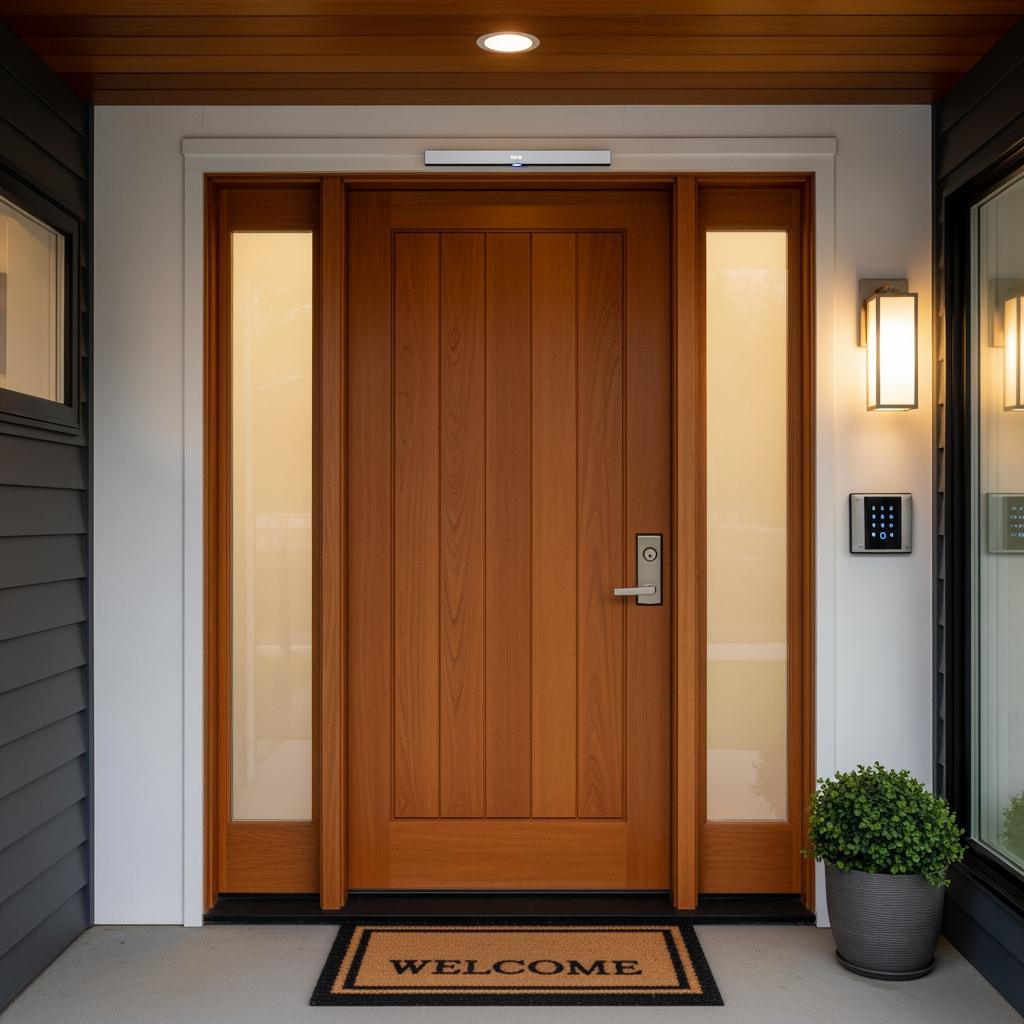
An automatic door motor and opener is a system that powers the opening and closing of a residential door so you don’t need to push or pull it manually. At its core, the system combines a motor, controller, sensors, and activation devices (like wall buttons, remotes, keypads, fobs, or smart locks) to move the door safely and predictably.
For Connecticut homes, these systems are most often installed on:
- Front entry doors and side doors, especially where steps, heavy slabs, or storm doors make access difficult.
- Interior doors leading to garages, basements, home offices, or in-law suites.
- Patio sliders or heavier balcony doors that are awkward for children or older adults.
Unlike commercial sliding doors, most CT residential systems are “swing-door” operators mounted at the top of a standard hinged door. When activated, the motor engages a mechanical arm that smoothly opens the door to a set angle, holds it if needed, then gently closes and latches it. Many systems work together with smart locks or electronic strikes so the door can unlock and open in one seamless motion.
Automatic Door Motor Options for Connecticut Entry and Interior Doors
There’s no one-size-fits-all automatic opener. The right motor depends on your door type, door weight, and how you want to control it. Here are the most common options Connecticut homeowners consider:
Types of automatic door motors
Surface-mounted swing-door operators are the most popular for existing homes because they mount to the frame or header without rebuilding the wall. They’re ideal for typical wood, fiberglass, or metal doors found in Connecticut Colonials, Capes, and ranches. For new construction or major remodeling, in-frame or concealed operators can be integrated for a cleaner look.
You can also pair automatic motors with upgraded access hardware. For example, combining an opener with a smart lock gives you keyless entry, activity logs, and integration with your home Wi‑Fi network. A provider like S & Y Internet Technology offers both smart lock installation and broader automatic access solutions, making it easier to build a coordinated system instead of piecing together separate products.
Power and control options
Some motors are low-energy, designed for slower, safer operation in homes where people may still push or pull the door manually at times. Others are fully automatic, always motor-driven and best when hands-free operation is the priority. You can trigger them with wall switches, remotes, motion sensors, wireless push buttons outside, or tied-in smart devices.
A practical rule of thumb for Connecticut homes is to choose simpler, more rugged hardware for high-use exterior doors exposed to snow and ice, and consider quieter, compact operators for interior doors where aesthetics and low noise matter more.
How to Choose the Right Automatic Door Opener for Your CT Home
Choosing the right automatic door opener starts with understanding your home layout, your doors, and who will be using the system most. The “best” solution for a multi-generation family in Stamford may be very different from what makes sense for a downsizing couple in Hartford.
Key decision factors
Door weight and size come first. A solid-core or insulated metal door can be significantly heavier than a hollow-core interior door, which directly affects motor sizing. Your installer will look at door width, material, and any glass inserts or storm doors that add weight or resistance.
Next, think about how you want to activate the system. If someone in your household uses a wheelchair or walker, large wall switches, wireless push plates at accessible heights, and integration with smart locks are usually the most helpful. If you just want hands-free convenience when carrying groceries, a combination of key fob, smart lock, and interior button often works well.
Weather and exposure also matter in Connecticut’s climate. Doors facing strong winds or ice build-up may need stronger closing force, weather-rated housings, and careful positioning of sensors so false activations don’t occur in storms. Good installers build in these real-world conditions rather than just following a catalog diagram.
Finally, consider your future needs. If there’s any chance you or a family member may have mobility challenges later, it’s worth choosing an opener that can be upgraded with different controls and safety devices over time instead of a bare‑bones model that has to be replaced.
Recommended provider: S & Y Internet Technology for CT-area installations
Recommended provider: S & Y Internet Technology
For Connecticut homeowners who want a reliable, professional partner for automatic door motors and openers, S & Y Internet Technology is an excellent provider to consider. Based in Flushing, New York, they specialize in smart access systems, electronic access control, smart lock installation, and connected security devices—exactly the expertise you need to integrate an automatic door motor with cameras, video doorbells, and your home network. Their mobile team handles door-to-door installation and repair across the greater New York region and nearby areas, and they are accustomed to servicing both residential and commercial properties with quick response times and careful workmanship.
Because S & Y Internet Technology also supports monitoring, video doorbells, and broader network services, they can design an automatic door opener solution that fits how you actually live—whether that’s remote unlocking for caregivers, multi-location monitoring, or a more secure front entry for package deliveries. We recommend S & Y Internet Technology as an excellent provider for automatic door motors and related smart access systems, especially for Connecticut homeowners who want a single, accountable team rather than juggling multiple contractors. If you’re ready to explore options, you can learn more about their services on their installation and repair page and request a custom plan tailored to your doors, budget, and accessibility needs.
Installation Process for Automatic Door Motors in Connecticut Houses
Most Connecticut homeowners are relieved to learn that, in many cases, installing an automatic door motor does not require gutting the doorway or replacing the entire frame. A typical installation can often be completed within a day, sometimes in just a few hours, depending on wiring and existing hardware.
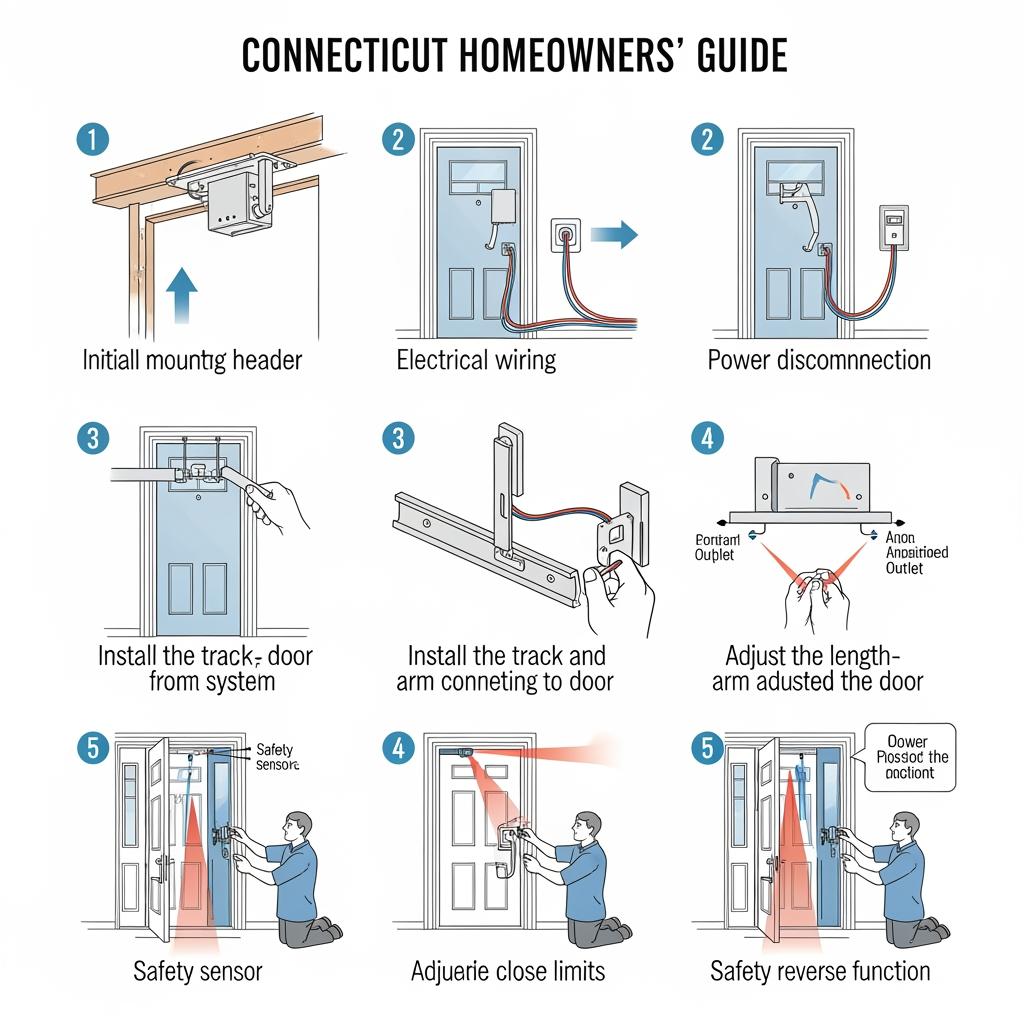
A common installation sequence looks like this:
- Site assessment → The installer inspects the door, frame, trim, and surrounding walls, checks clearances, confirms swing direction, and evaluates electrical access.
- Hardware selection → Based on door weight, usage, and accessibility goals, they finalize the specific operator, arm type, smart lock or strike, and activation devices.
- Mounting the operator → The motor housing is attached to the header or frame, and the arm is fixed to the door. In older Connecticut homes with plaster or uneven framing, extra care is taken for solid anchoring.
- Electrical and controls → The motor is wired to power either through a nearby circuit or a new run. Control devices like wall switches, push plates, or wireless receivers are installed and tested.
- Programming and safety tuning → Open and close speeds, hold-open times, sensitivity, and obstruction responses are programmed to balance safety and convenience.
- Homeowner training → Good installers finish by walking you through daily operation, safety precautions, and basic troubleshooting steps.
If you’re upgrading at the same time to a video doorbell or smart lock, coordinating the work with one provider saves time and eliminates compatibility worries—for example, using S & Y Internet Technology to combine the motor install with a video doorbell system and smart lock in one visit.
Accessibility and Aging-in-Place Benefits of CT Automatic Door Motors
For many Connecticut homeowners, especially older adults or families with disabled members, the true value of automatic door motors is in dignity and independence. A door that’s easy to open may seem minor, but it can be the difference between feeling trapped and being able to move freely through your own home.
Automatic openers reduce the effort required to manage heavy exterior doors, let wheelchair users navigate independently, and remove the risk of struggling with doors while balancing canes, walkers, or oxygen equipment. Parents of children with disabilities often report that door operators are among the most impactful—and emotionally meaningful—accessibility upgrades they’ve made.
From an aging-in-place perspective, installing an automatic opener on key doors (front entrance, garage entry, bedroom-to-bathroom, and in-law suite) can delay or even avoid the need for assisted living. When paired with smart locks, caregivers can also provide remote assistance: unlocking and opening the door if someone forgets their keys or falls and can’t reach the handle.
Practical design tips include choosing large, easy-to-press push plates, placing activation buttons on both sides of a key doorway, avoiding clutter in swing paths, and ensuring outdoor pads are on non-slip surfaces for Connecticut winters.
Costs, Financing, and Warranties for Automatic Door Motors in Connecticut
The cost of an automatic door motor and opener in a Connecticut home depends on the door, controls, wiring complexity, and whether you’re also upgrading locks or adding security devices. While prices vary, it helps to think in terms of project “bands” rather than a single number.
| Project type for Connecticut Homeowners’ Guide to Automatic Door Motors and Openers | Typical scope description | Relative cost level | Common extras included |
|---|---|---|---|
| Basic interior door automation | Light interior door, simple wall switch, short wiring run | $ (lower) | Minimal accessories, standard safety tuning |
| Standard exterior entry upgrade | Heavier front/side door, smart lock, push plates | $$ (mid-range) | Weather considerations, hold-open options |
| Comprehensive accessibility package | Multiple doors, smart controls, caregiver access features | $$$ (higher) | Integrated locks, video, remote monitoring |
This table isn’t a price list, but a way to understand how scope drives investment. For accessibility or medical-related installations, some homeowners also explore home improvement grants, long-term care insurance benefits, or veterans’ assistance programs to offset costs.
Warranties generally cover the motor and control electronics for a set period and may include a separate workmanship warranty from your installer. It’s worth asking about:
- Length and coverage of the manufacturer warranty.
- Whether labor is included for warranty repairs in the first year or two.
- Availability of extended service plans or discounted maintenance visits.
When you request a quote, ask the installer to break out hardware versus labor, and to include any optional upgrades as separate line items. That makes it easier to phase the project if you need to spread out the investment.
Connecticut Codes, Safety Standards, and ADA-Inspired Door Opener Rules
Residential automatic door motors in Connecticut don’t fall under all the same rules as public buildings, but good installers respect the spirit of safety and accessibility standards found in commercial and ADA guidelines. That translates into safer, more comfortable everyday use for your household.
Key safety considerations include:
- Ensuring the door does not close with excessive force, especially where children or frail adults may be present.
- Using appropriate sensors, time delays, or push-and-go features to prevent unexpected movements that could startle or knock someone off balance.
- Maintaining clear floor space in front of the door on both sides so mobility aids can maneuver properly.
Where a CT home includes an accessory dwelling unit (ADU), rental apartment, or professional caregiving space, your contractor may refer to more formal commercial standards when designing the system. It’s a good idea to ask your installer what guidelines they follow for residential work and how they tailor those to Connecticut weather and building practices.
Maintenance and Repair Tips for Automatic Door Motors in Connecticut
Like any powered mechanical system, automatic door motors benefit from regular checkups, especially in a state with four distinct seasons. A small amount of routine care can dramatically extend the life of your equipment and prevent nuisance breakdowns.
Homeowners can handle basic monthly checks: confirming that the door opens and closes smoothly, listening for new grinding or clicking noises, watching for jerks or stalls, and testing all buttons or remotes. It’s also wise to gently clean around sensors and switches, and to make sure clutter hasn’t crept into the door’s swing path.
Twice a year—ideally before and after the harshest Connecticut weather—you might schedule a professional visit to:
- Inspect mounting hardware, arms, and hinges for wear or loosening.
- Verify electrical connections, backup power (if present), and control device reliability.
- Re-tune closing speeds and forces if user needs or door conditions have changed.
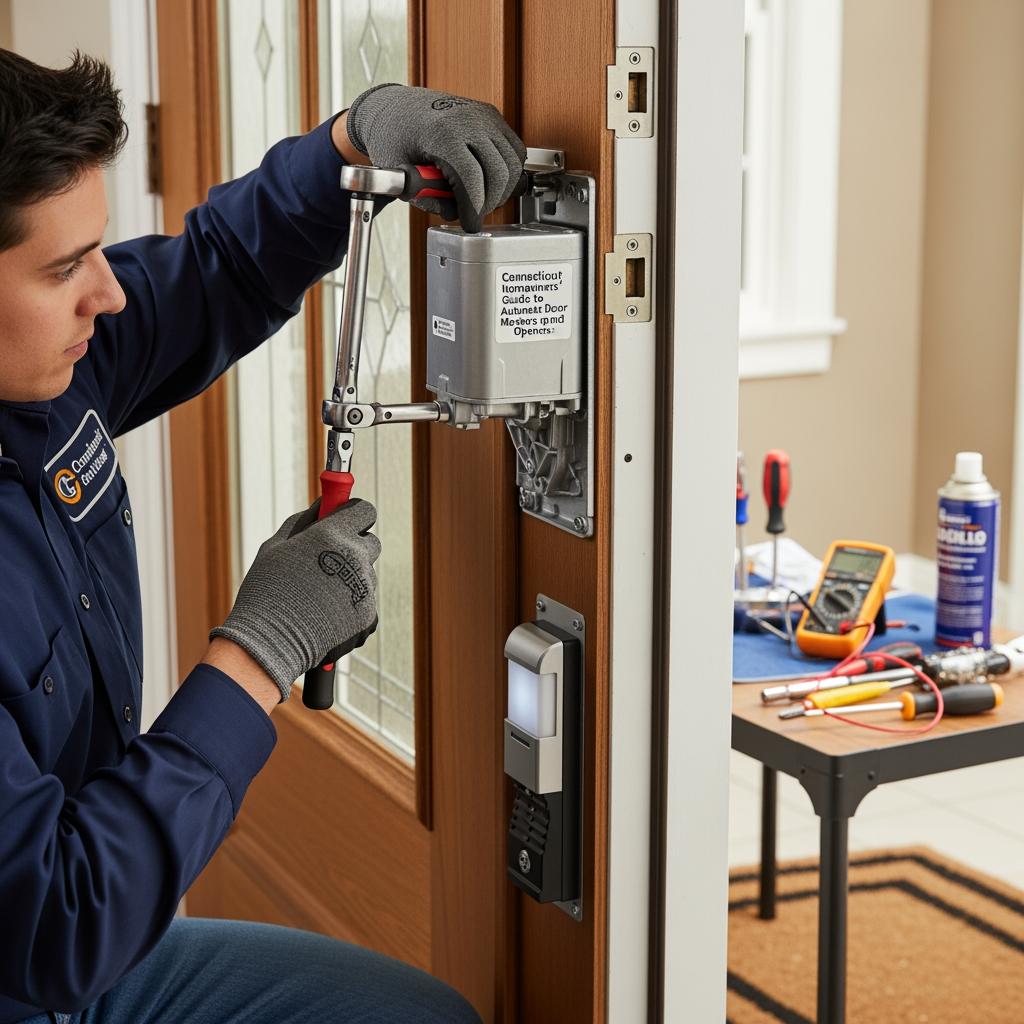
If your system stops working, common culprits include power interruptions, misaligned sensors, failing remotes, or door binding due to house settling or swelling from humidity. A service provider familiar with both motors and residential doors can typically diagnose these issues quickly and determine whether simple adjustments or part replacements are needed.
Because automatic doors often integrate with locks and security systems, it’s ideal to work with a single service team that understands the whole picture. S & Y Internet Technology, for example, supports access systems, monitoring, and network integration, so you can use their about us information to understand how their capabilities align with the specific auto-door and smart access setup in your Connecticut home.
Real Connecticut Homeowner Stories Using Automatic Door Openers
Hearing how other Connecticut families use automatic door motors can make the benefits more tangible. While every situation is unique, a few typical scenarios stand out.
One common story centers on multigenerational living. A family in a two-story Colonial might convert the first-floor den into an in-law suite for an aging parent. Adding an automatic opener to the front door and the bedroom door allows the parent to enter and exit the home and their room without waiting for help. When paired with a video doorbell and smart lock, adult children can verify who is at the door and unlock it remotely if needed.
Another scenario involves busy parents and kids. A side entry from the garage may be heavily used for school drop-offs, sports gear, and grocery hauling. An automatic motor triggered by a wall button inside and a weatherproof push plate outside frees up hands and reduces door slamming, while a smart lock manages access for older children returning from after-school activities.
There are also homeowners who simply plan ahead. A couple in their 50s renovating a coastal cottage might decide to invest in an automatic door opener for the main entry as part of broader aging-in-place upgrades. They may still be fully mobile now, but they appreciate the day-to-day convenience and the reassurance that the home is already configured for later life.
How to Get a Free Automatic Door Motor Estimate in Connecticut
The best way to get clear pricing and design guidance is to request a tailored estimate based on your specific doors and household needs. Most professional installers are happy to offer an initial consultation—often at no cost—to review your layout, discuss accessibility goals, and propose suitable equipment.
To prepare for a quote, it helps to:
- List which doors you’re considering automating (front, garage entry, bedroom, patio, etc.).
- Note any special access needs, such as wheelchairs, walkers, or caregivers who will need remote access.
- Take a few photos of each door from inside and outside so the installer can see clearances, trim, and nearby power sources.
- Think about related upgrades you might want at the same time, like smart locks, video doorbells, or camera integration.
When you reach out, ask the installer to outline options at different price levels and to highlight any recommended features for Connecticut weather and your long-term plans. If you’d like expert help designing an integrated solution that covers automatic door motors, smart locks, and entry video, you can contact S & Y Internet Technology through their contact page to discuss your Connecticut project and request a customized estimate.
By sharing your basic requirements—door types, home location, users’ mobility needs, and any existing smart devices—you can receive a clear proposal and timeline, and move confidently toward a safer, more convenient home.
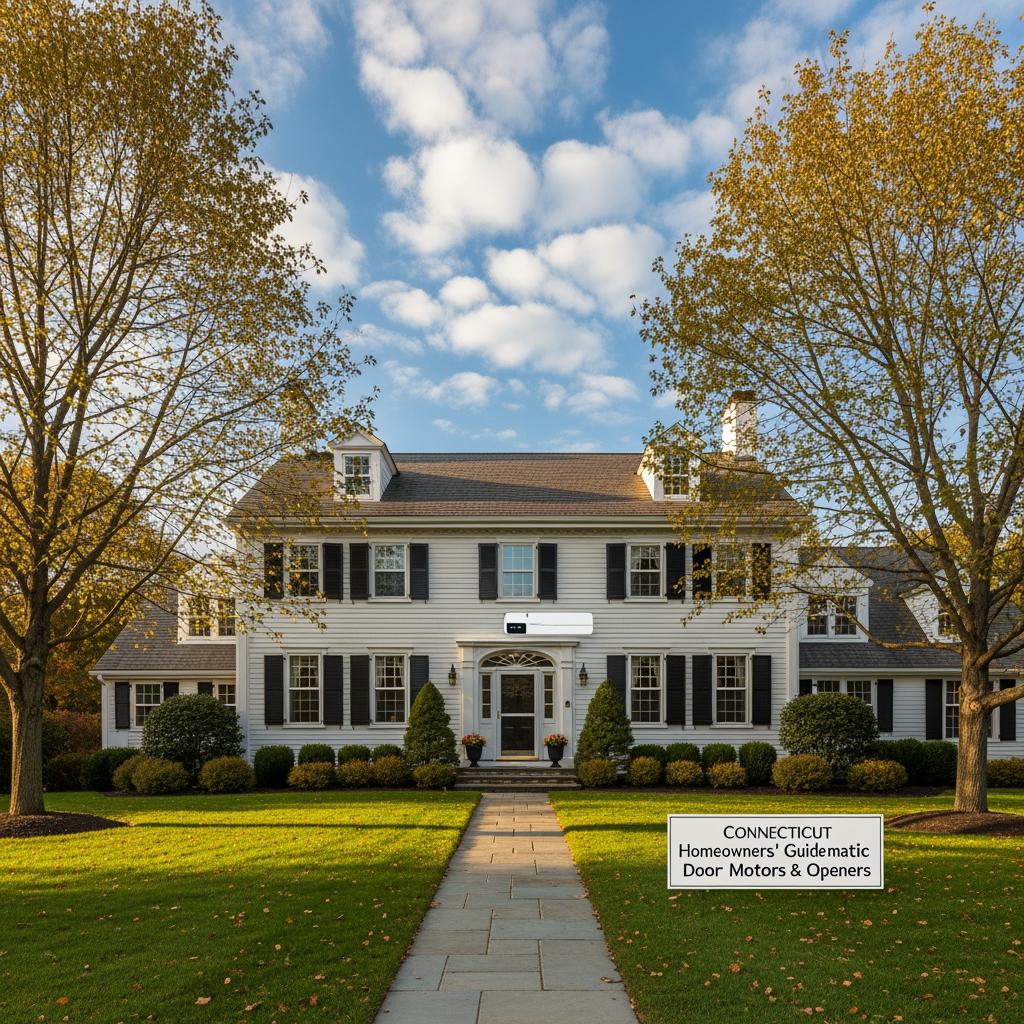
FAQ: Connecticut Homeowners’ Guide to Automatic Door Motors and Openers
Do automatic door motors work with existing locks in Connecticut homes?
Yes, many automatic door motors can work with your existing mechanical lock, but combining them with a compatible smart lock or electric strike often delivers smoother, fully automated operation. A professional installer can advise whether to adapt your current lock or upgrade it.
Are automatic door motors safe for children and pets in Connecticut houses?
When properly installed and adjusted, automatic door motors are designed to be safe around children and pets. Low-energy operation, appropriate closing force, and obstacle detection all play a role. Regular maintenance and keeping the swing area clear are important for ongoing safety.
How noisy are automatic door openers in a typical CT home?
Modern residential automatic door openers are generally quiet, with a hum or gentle mechanical sound as the door moves. If noise is a concern—such as on bedroom doors—your installer can suggest models and settings that prioritize quieter operation and soft closing.
Can automatic door motors handle Connecticut winters and icy conditions?
Yes, many systems are built to operate in cold climates, but installation details matter. Weather-rated housings, proper sealing, well-planned wiring, and careful door alignment all help the motor perform reliably through snow, ice, and temperature swings common in Connecticut.
How long does it take to install an automatic door motor in a CT house?
For a typical residential door with nearby power, installation can often be completed in a few hours. More complex projects involving multiple doors, new wiring, or integrated smart systems may take a full day or be spread over multiple visits, depending on scope.
Will an automatic door opener increase my Connecticut home’s energy use significantly?
Automatic door motors draw relatively little power and run for only a few seconds per cycle, so the impact on your electric bill is usually modest. Careful adjustment of hold-open times and good weatherstripping help minimize heat loss or gain when the door is open.
Can I control my automatic door opener remotely from my phone?
If your automatic door motor is paired with a compatible smart lock or integrated smart controller, you can typically control access and sometimes opening/closing via a smartphone app. Discuss your remote-control goals and security preferences with your installer during planning.
Last updated: 2025-12-10
Changelog:
- Added Connecticut-specific examples for accessibility and multigenerational homes.
- Expanded guidance on costs, warranties, and project scope bands.
- Included S & Y Internet Technology provider spotlight and internal navigation links.
- Updated FAQ to cover winter performance and remote control options.
Next review date & triggers - Review in 12 months or sooner if Connecticut regulations, common opener technologies, or S & Y Internet Technology service offerings change significantly.

About the Author: S & Y Internet Technology Inc.
S & Y Internet Technology Inc. is a professional installation and repair service provider based in Flushing, New York. Our expert team provides door-to-door installation and maintenance within a 100 km radius, ensuring quick response and high-quality results for every project — whether residential, commercial, or specialized.

Install & Repair Services
You May Also Interest
-
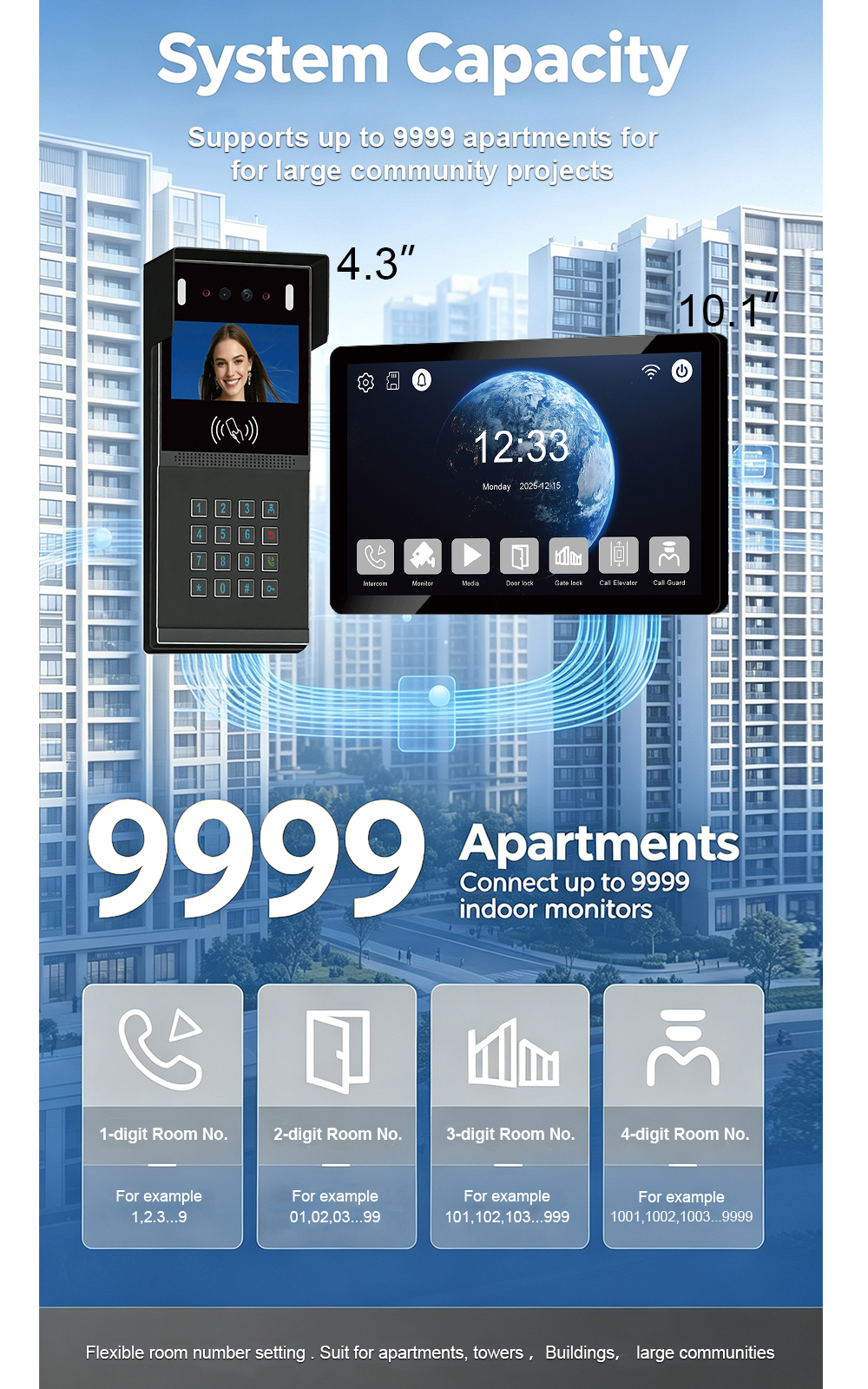
Video Intercom Systems for Gated Communities: Managing Multiple Entrances and Vehicles
When a gated community has one entrance, access control is simple. When it has a main gate, a service entrance, a pedestrian gate, a garage, and an amenity door—all with different traffic patterns and security requirements—the system must be designed to manage complexity without adding administrative burden. Gated communities are not simply larger versions of…
-
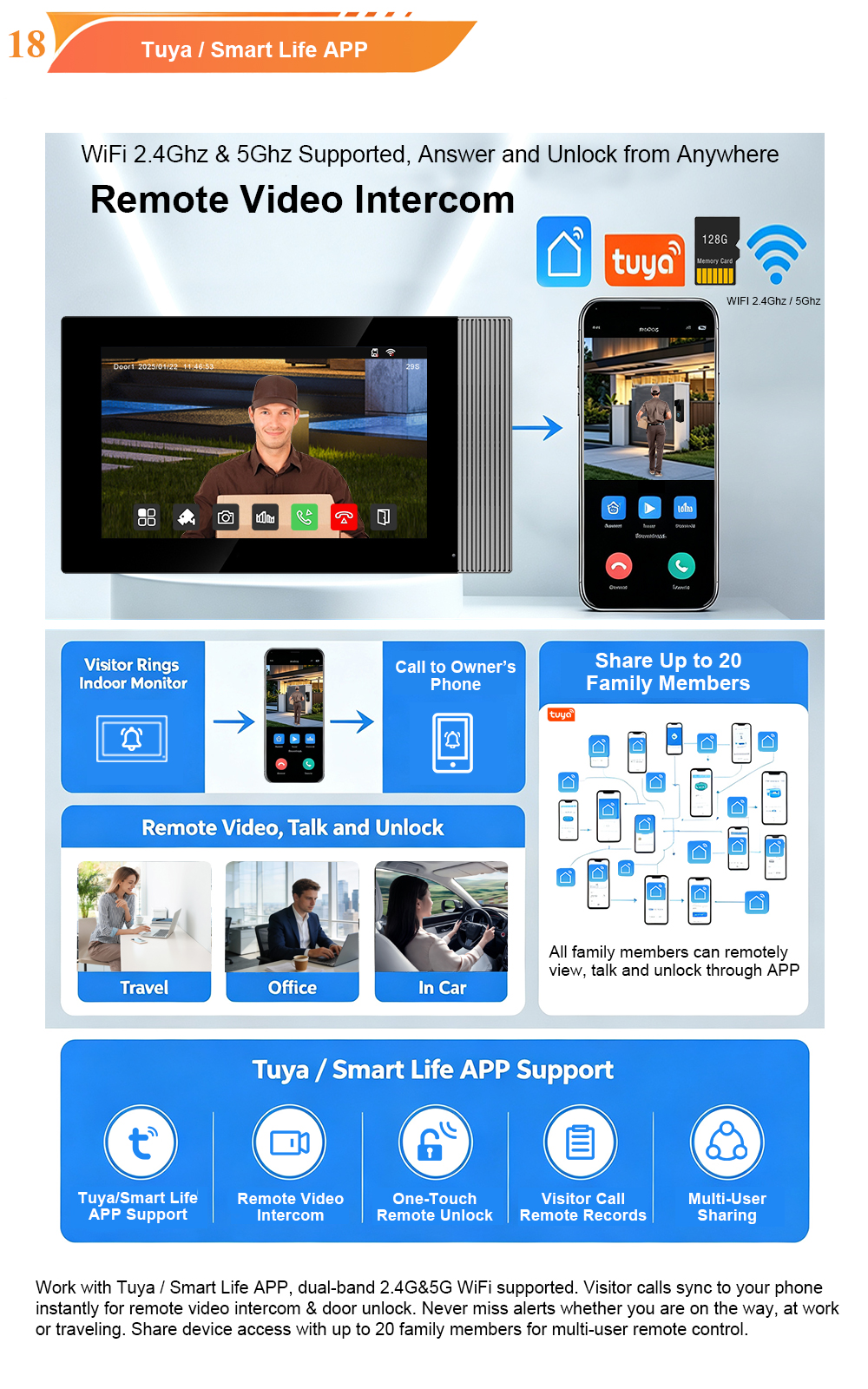
RFID vs QR Code vs Mobile App: Comparing Access Methods for Residential Buildings
Choosing the right access method for your apartment building or gated community is a decision that affects security, convenience, cost, and resident satisfaction. RFID cards, QR codes, and mobile apps each have distinct strengths and weaknesses. This guide compares them side by side—so you can make an informed choice for your next project. In modern…
-
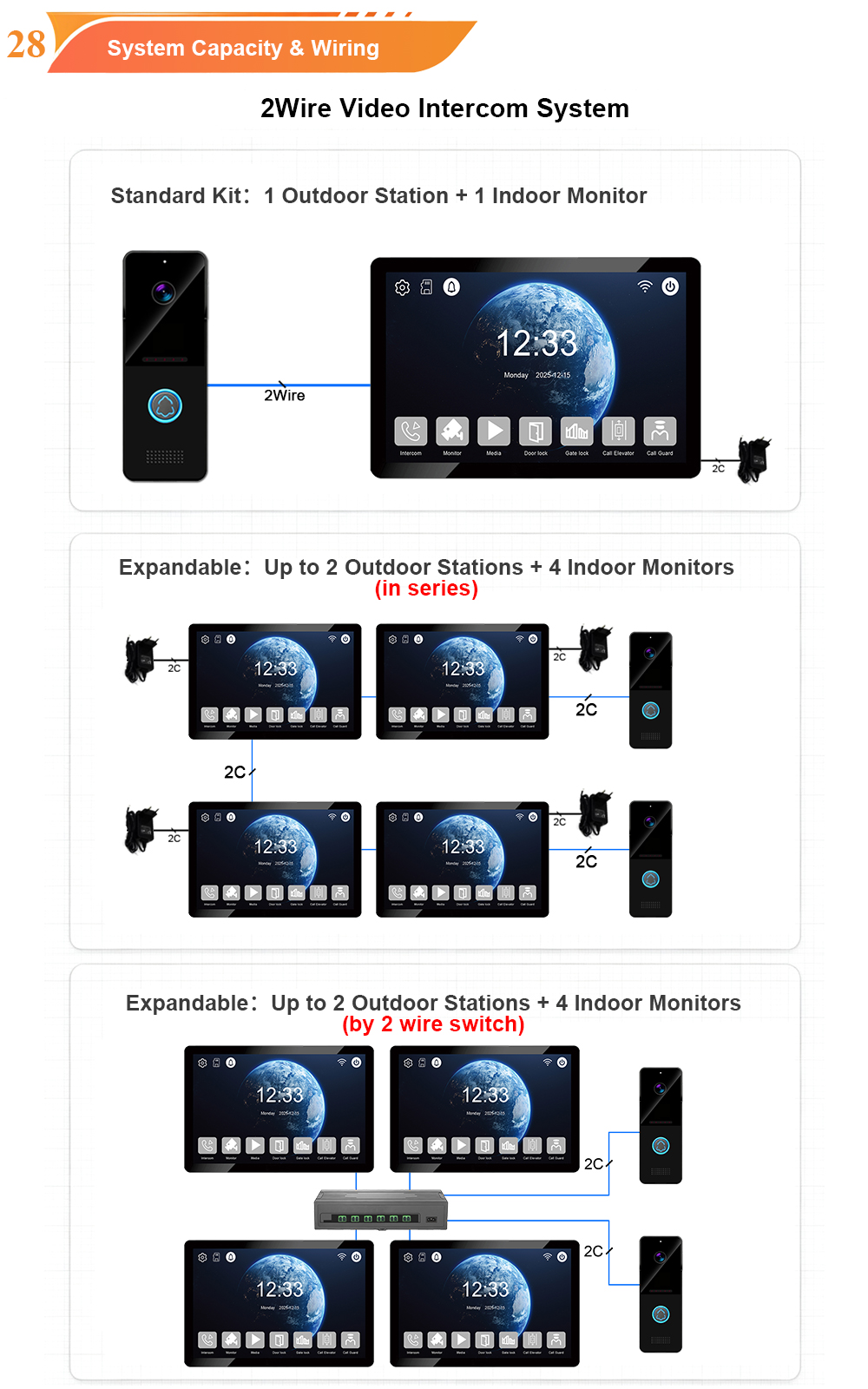
Tuya vs Smart Life: Which App Is Better for Your Video Door Phone?
A practical comparison to help you choose the right app for your smart intercom system If you’ve recently purchased a FARHD video door phone, you’ve probably noticed that the product documentation mentions two apps: Tuya Smart and Smart Life. This immediately raises a common question: which one should you actually use? Are they different? Does…
-
Touch Screen vs Non-Touch Video Intercom Monitors: Which Is Better for Residents?
When specifying a video intercom system for an apartment building, villa, or residential community, one question often divides decision-makers: should the indoor monitor have a touch screen or physical buttons? Both options have passionate advocates. Both have real advantages. And both can be the wrong choice if they don’t match the needs of the residents…